
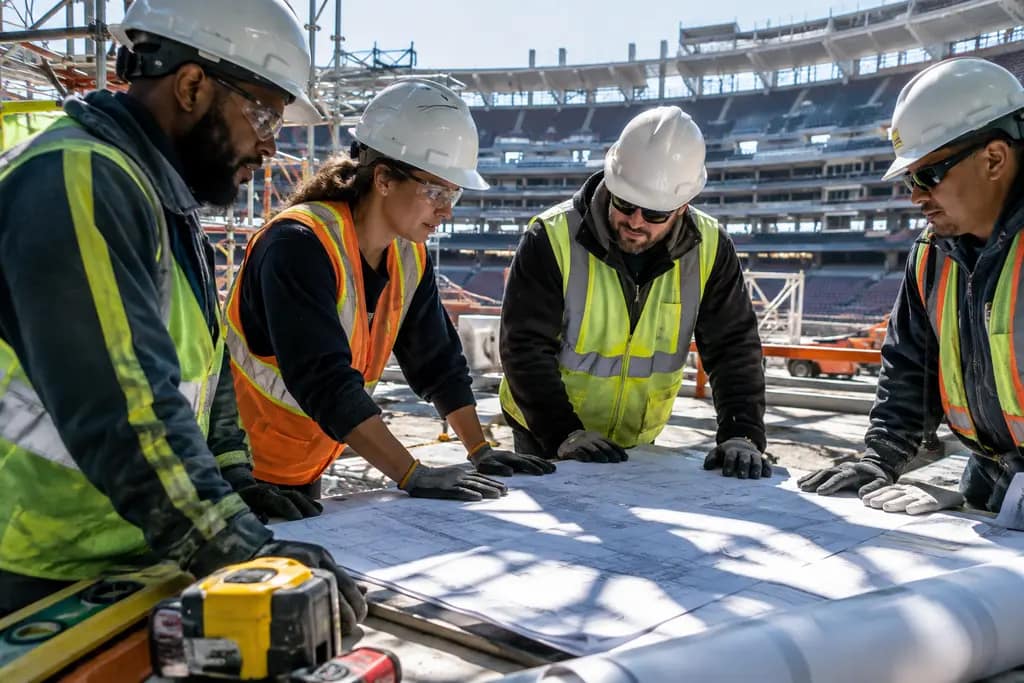
The Nationals Park Funding plan deserves a careful sports-and-sustainability reading because it is not just a baseball facilities story. The District of Columbia’s FY2026 capital budget plan allocates $385 million for the Nationals Park Preservation and Improvement project from FY2026 through FY2031, according to Hoodline’s funding breakdown. That money is tied to a publicly owned venue, fan-facing upgrades, capital repairs, and lease obligations with the Washington Nationals. For supporters, the plan can be framed as protecting a major civic sports asset. For skeptics, it raises the familiar stadium question: how much public spending should be justified by comfort, competitiveness, and keeping a team anchored?
As a sustainability advocate in sports, I start with a practical premise: keeping a venue safe, functional, and adaptable can be greener than letting it decline and then arguing for replacement. Yet maintenance spending is not automatically sustainable. The value depends on whether the projects reduce waste, improve energy performance, support transit-friendly attendance patterns, and extend the useful life of existing infrastructure without adding avoidable operating burdens.
What Nationals Park Funding Covers
Nationals Park Funding And Public Duties
The plan is built around public responsibility for a stadium that remains under city ownership. The research record says the money is expected to support infrastructure maintenance, repairs, and capital improvements required under D.C.’s lease obligations with the Nationals franchise. That matters because a ballpark is not only a seating bowl used 81 regular-season home dates. It is a large public asset with mechanical systems, concourses, entries, food-service zones, player areas, display technology, and building-envelope needs that age whether the team is contending or rebuilding.
This is where Nationals Park Funding becomes an asset-management test. If the capital plan is used first to address durable repairs, code-driven needs, water intrusion, structural wear, and systems that can cut resource use, the public case is stronger. If too much of the money tilts toward premium hospitality without clear maintenance benchmarks, public confidence could narrow. The research notes do not provide a project-by-project capital list, so the responsible reading is cautious: the headline number is known, but the sustainability quality of the spending will depend on procurement, design standards, and reporting.
Fan Experience Items In The Plan
The possible uses identified in the research include premium experience areas, social gathering zones, interactive neighborhood-style spaces, concessions improvements, entry-gate upgrades, and better fan circulation. Those are familiar priorities across modern MLB venues. They respond to a shift in how many fans use ballparks: not always sitting in the same seat for nine innings, often moving between concourses, food areas, standing-room decks, and group spaces.
Circulation is not a cosmetic issue. Wider or better-managed concourses can reduce crowding, improve comfort for families and older fans, and help staff manage ingress and egress. Entry improvements can also shape the emissions profile of a game day if they make it easier for fans arriving by Metro, walking routes, cycling, rideshare, or parking facilities to move through the site without long queues. The research supports the idea that fan circulation is part of the plan, but it does not yet confirm which gates, concourses, or systems would be changed.
For readers tracking related stadium public-cost debates, our earlier analysis of Nationals Park improvements examined why maintenance, transit use, and revenue durability are central to the public-value case.
Maintenance, Technology, And Sustainability Tests
Scoreboards, Lighting, And Operational Load
The research identifies early precedent-setting work in the roughly $20 million to $22 million range, including replacement of main scoreboards, out-of-town scoreboard displays, and field lighting capable of supporting light shows during wins, home runs, and player entrances. From a fan-experience standpoint, that kind of technology can sharpen the live-event product. It gives teams more ways to fill dead time, celebrate baseball moments, and support sponsors.
From a sustainability standpoint, the question is more specific: what is the net operating effect? New lighting can be more efficient than older systems, but added show features may increase use if they are run more often. New boards can improve communication during weather, security, concessions, and transit messaging, but they also carry embodied carbon from manufacturing and replacement. Without published energy-use comparisons, lifecycle data, or procurement standards, it would be premature to label the technology work as green. It may be better, but the proof would be in measured electricity demand, maintenance intervals, and end-of-life handling for removed equipment.
Concourses, Access, And Waste Pressure
Concession upgrades and social zones should be judged partly by their material choices and operating systems. Food-service renovations can either add more disposable packaging or help reduce it through better sorting, reusable service pilots, water-refill access, and back-of-house waste controls. The research supports that concessions are among possible improvement areas, but it does not provide waste-diversion targets or vendor requirements.
That absence is not a reason to reject the plan. It is a reason to ask for more public reporting. A baseball park can host large crowds, and every improvement in purchasing, sorting, energy controls, and water efficiency can matter over a long lease term. Insights at Sports Wire News underscore how venue investments today are evaluated for more than just immediate spectator enjoyment, reflecting the broader linkages between facility economy and fan experience.
Public Cost, Lease Term, And Accountability
The Maintenance Fund Backstop
The public-finance structure did not appear from nowhere. Earlier D.C. Council action on November 26, 2024, created a Ballpark Maintenance Fund using sources such as sales taxes at games, rent paid by the Nationals, and remaining Ballpark Revenue Fund money to support deferred maintenance and capital repairs, as reported by The Washington Post. That type of fund is relevant because deferred maintenance is often less visible than new club spaces, but it can be more important to the long-term health of a venue.
A credible sustainability strategy should put the least glamorous work near the center: roofing, drainage, HVAC efficiency, safe circulation, durable finishes, water systems, and repairable components. These are not always the projects that dominate renderings, but they are the ones that can lengthen the life of the building and reduce the chance that taxpayers are asked for a larger replacement project later.
Lease Terms And The Public Bargain
The research says one condition tied to the funding is an extension of the Nationals’ stadium lease, with reports placing the required term at least through 2054 or potentially up to 2059. That is a long public bargain. A longer lease can help justify capital spending if it secures the team’s presence and keeps the stadium active. It can also lock the city into a building that must keep adapting to fan expectations, climate stress, and changing event operations.
The ownership contribution question remains sensitive. The research states that the stadium owner is not clearly confirmed to be contributing toward the capital projects. That does not settle the policy debate, but it does define a transparency need. If public dollars are paying for public-asset preservation, officials should separate required maintenance from revenue-enhancing upgrades, and they should explain which party benefits from each category.
- Publish a project ledger: Separate safety, deferred maintenance, fan amenities, team areas, and premium spaces.
- Track resource outcomes: Report energy, water, waste, and maintenance data before and after major projects where measurement is practical.
- State lease-linked obligations: Make clear which upgrades are required by lease terms and which are discretionary.
- Identify operating impacts: New displays, lighting, food areas, and gathering spaces should come with projected utility and staffing effects.
Nationals Park Funding Accountability Tests
How To Judge The $385 Million Plan
If Nationals Park Funding is to be defended as more than a venue facelift, the city and team should make the work legible to fans, taxpayers, and neighborhood stakeholders. The best case is not that every dollar produces a visible upgrade. The best case is that the plan extends the useful life of a public ballpark, improves game-day movement, keeps baseball operations competitive, and reduces avoidable operating waste.
There is room for cautious optimism, but only if the project list becomes clearer. Better gates and concourses can improve the fan experience. Concession changes can either increase waste or reduce it. Technology upgrades can add energy demand or replace less efficient systems. Player-area improvements may help the club meet modern MLB expectations, but public reporting should still distinguish team benefits from public-asset preservation.
The fair standard is simple: maintenance first, measurable performance second, premium growth third. Nationals fans deserve a ballpark that works well. District residents deserve evidence that the public asset is being protected with discipline. The $385 million plan can meet both aims, but the proof will come through transparent project scopes, measured outcomes, and a willingness to treat sustainability as an operating standard rather than a slogan.