
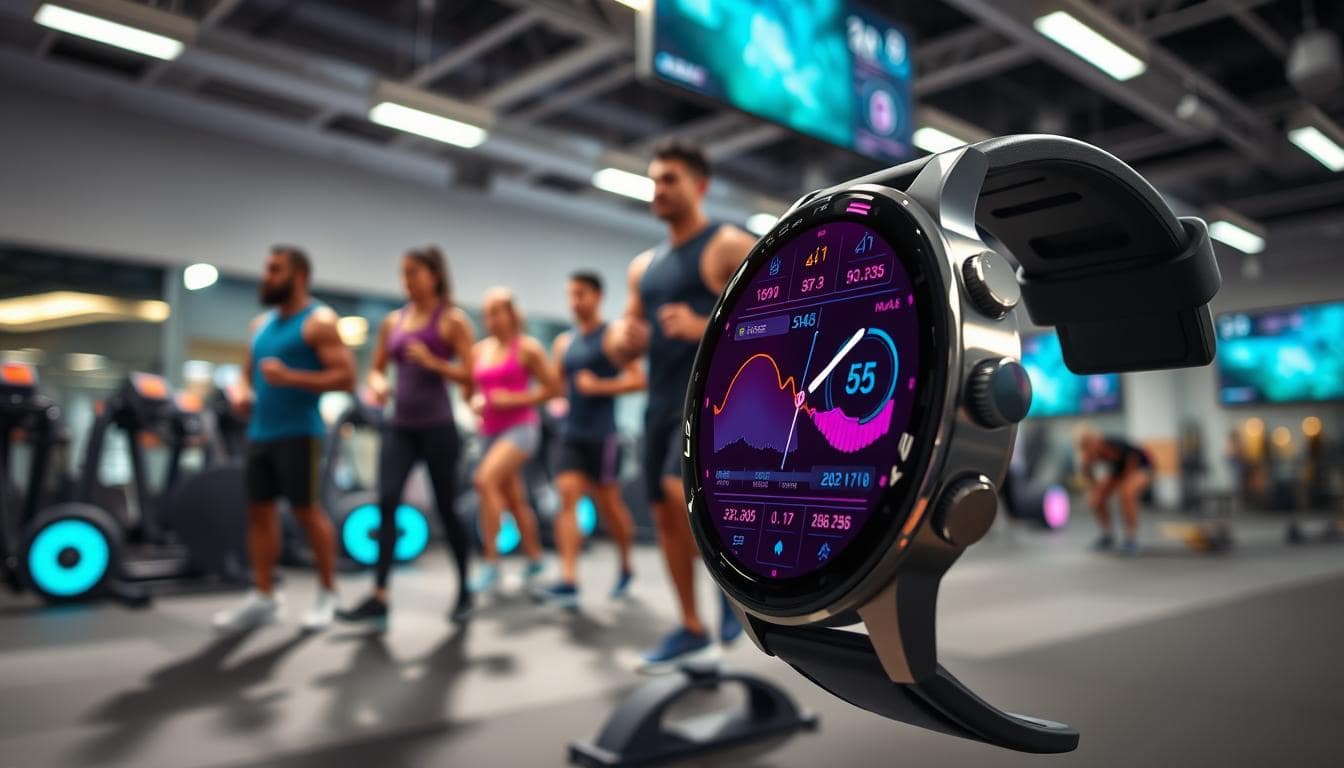
Let’s be honest. We’ve all seen the ads. A sleek wristband promises to turn you into a data-driven coaching demigod overnight.
But before you max out the company card on the latest gadget, let’s ask the real question. Is this tech solving a problem, or just creating a shiny new distraction?
Strapping a sensor on an athlete is the easy part. The real game is in asking the right, brutally honest questions first. Think of it as a prenuptial agreement with technology.
You must set clear expectations before saying “I do” to a new stream of numbers. The challenge isn’t collecting 24/7 data. It’s interpreting it.
Data should be a smoke signal for context, not just noise. This requires a skeptical, analytical mindset from the start. We must evaluate devices on accuracy, usability, and transparency.
So, we’re not just buying hype, but real insight.
Wearable Performance Categories
Smartwatches do more than just track your runs. They’re part of a silent revolution on your skin. Today’s athletic enhancement devices monitor your body like never before. They’re not just counting steps; they’re watching you 24/7.
Physiological Monitoring: The Body’s Internal Gossip Column. Your vital signs are the big news here. It’s not just about heart rate. We’re talking about Heart Rate Variability (HRV) and core body temperature too.
These signs tell us about your stress and how well you’re sleeping. They turn into scores like “Readiness” and “Recovery.” It’s like getting a morning briefing from your body.
Biomechanical Analysis: The Movement Efficiency Audit. This category looks at how you move. It doesn’t care about your feelings. It wants to see if you’re moving like a dancer or a rusty hinge.
It uses sensors to check your every move. It looks at your running, swimming, and even golf swing. The goal is to find ways to move more efficiently.
Environmental Sensing: The Contextual Reality Check. Performance isn’t just about you. It’s about where you train too. Advanced athletic enhancement devices now consider things like altitude and pollution.
This helps figure out if you’re really doing badly or if it’s just the weather. The environment is now a key part of your performance.
Recovery: The Elusive Holy Grail. This is the ultimate goal. Recovery metrics try to tell you how you really feel. They mix data on your body, how you move, and even what you think.
They aim to find the perfect time for your next big performance. It’s a mix of science and art, and it’s very tempting.
| Category | Key Metrics Watched | Primary Benefit |
|---|---|---|
| Physiological Monitoring | Heart Rate Variability (HRV), Core Body Temperature, Sleep Stages, Blood Oxygen | Provides a deep, internal health and stress assessment to guide daily training intensity. |
| Biomechanical Analysis | Gait Cycle, Stroke Symmetry, Joint Angles, Ground Contact Time, Power Output | Identifies inefficiencies in movement patterns to improve technique and prevent injury. |
| Environmental Sensing | Altitude, Ambient Temperature, Humidity, Barometric Pressure | Contextualizes performance data, adjusting expectations and strategies for real-world conditions. |
| Recovery Synthesis | Composite “Readiness” Scores, Muscle Load, HRV Trends, Sleep Quality | Offers a data-driven guess at overall bodily readiness, aiming to optimize the balance between work and rest. |
Today’s athletic enhancement devices are more than just pedometers. They’re trying to predict your future. It’s a mix of science and interpretation, and it’s both amazing and a bit suspicious.
Advanced Sensor Technologies
Modern training wearables hide a battle of precision and patents. The buzz about heart rate zones and sleep scores meets the harsh reality of sweat and electrical noise. The real test is if the device’s data is worth the tech it uses.
Today’s sensors must track heart rate, motion, skin temperature, blood oxygen, and more. It’s like a pianist playing five concertos at once. The goal is to collect data without any streams messing up the others.
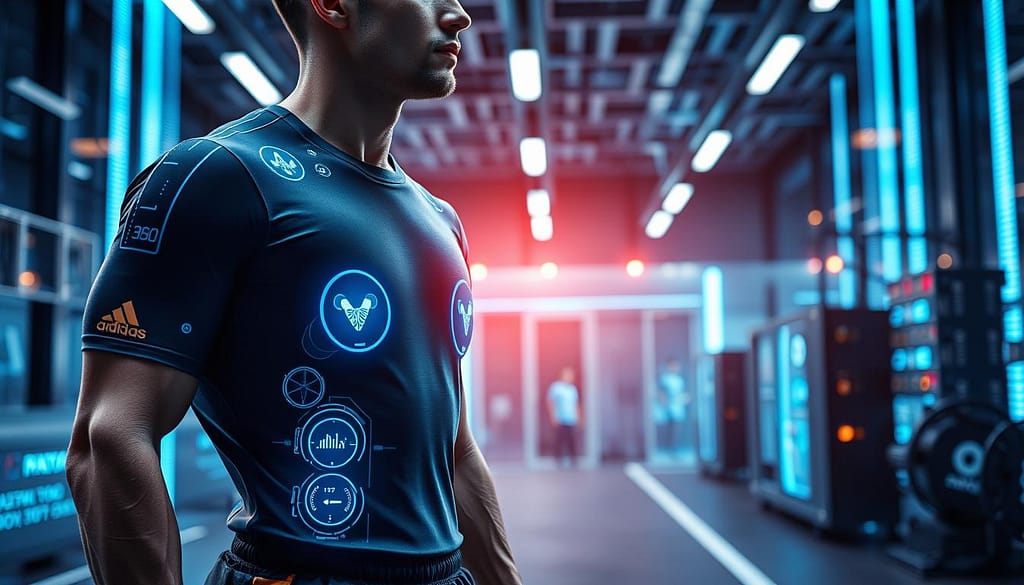
The quest for high-precision measurement is relentless. Accuracy in a lab is one thing, but on a muddy field, it’s another. Does that sleep tracker really know the difference between a nap and a deep sleep? The truth often lies in the algorithms that clean the data.
As seen in wearable technology design, the legal world is a patent war. Companies fight to keep their methods for making biometric data reliable. The real magic is in the math that filters out the noise.
Real-time processing is another key challenge. The aim is to turn raw data into useful insights quickly. This requires powerful processing that can analyze data without needing the cloud. It’s the difference between getting feedback after the game and during it.
Wireless connectivity is also a big issue. It offers freedom but brings its own problems like battery life and data security. The system that connects the device to your phone and the team’s server is just as important as the sensor.
When checking out advanced sensor tech, don’t just look at the specs. Ask about its testing and how it handles real-world issues. The best training wearables are not just data collectors but truth curators. In sports, truth is the biggest advantage.
Performance Enhancement Algorithms
The real magic of sports performance monitors lies in the math, not the hardware. It’s the secret algorithms that predict your next record. They turn biometric data into a path to success.
These systems offer cool metrics like “Strain Score” and “Readiness Score.” They look impressive. But, it’s up to you to decide if they’re useful. An algorithm might spot a sleep issue, but without context, it’s just a high-tech alarm.
Let’s look at three big promises:
- Training Load Optimization: The algorithm tries to prevent overtraining by analyzing numbers. But does it really help, or is it just nagging? It might set a “strain” limit, but ignores your mental state.
- Technique Improvement: Can an algorithm improve your golf swing or running? Some offer real-time feedback. But does it offer meaningful coaching, or just a fancy mirror? The feedback must feel right, not just look good.
- Fatigue Management: This is the algorithm acting like a doctor. It analyzes your heart rate, sleep, and activity to predict burnout. But, knowing why you’re tired is key. Is it from hard work or stress?
The last point is key. Even the best fatigue management algorithm needs context. It can’t tell if you’re tired from exercise or stress. This shows why you need to understand the data, not just trust it.
Performance algorithms are great tools, not magic solutions. They offer insights, not answers. It’s up to you to test these insights against your life and goals. That’s where smart analysis meets skepticism, and monitors become true partners.
Real-Time Coaching Integration
Forget the clipboard and stopwatch; the new coaching assistant is a stream of live biometrics whispering in an athlete’s ear. This isn’t science fiction. It’s the core promise of modern athletic optimization devices. They aim to close the loop between data collection and human insight, transforming raw numbers into a live coaching dialogue.
Live feedback systems are the telepathy of sports science. A runner hears a gentle beep in their earpiece when their cadence drops. A weightlifter gets a haptic buzz on their wrist signaling suboptimal bar path. This constant, quiet stream of information turns every drill into a conversation. The coach isn’t just observing anymore. They’re participating in the moment, armed with a vocabulary written in heart rate, torque, and oxygen saturation.
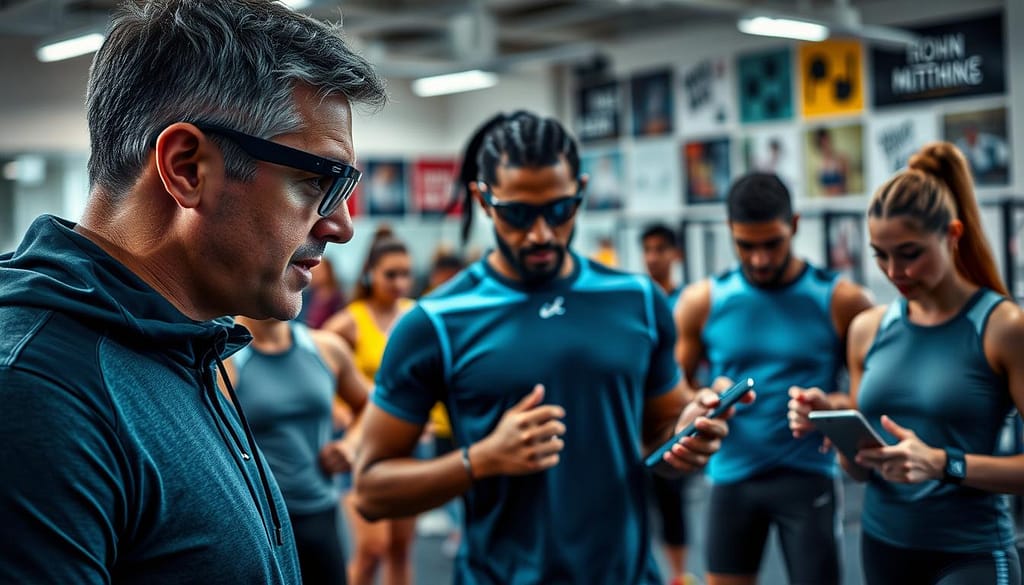
But here’s the rub. This data firehose can overwhelm. The magic isn’t in the alert itself, but in the coaching communication it sparks. The goal is seamless training adjustment. Imagine a coach saying, “Your power output dipped 15% on that last sprint. Let’s ease up for the next two and focus on form.” That’s actionable. That’s integration. It’s moving from “you look tired” to “your neuromuscular readiness score suggests we modify the next set.”
Performance alerts should function as tactical nudges, not five-alarm fires. A well-designed system doesn’t scream “INJURY RISK!” every time a metric blips orange. Instead, it highlights a trend. It prompts a question. It opens a door for the coach to walk through. This is where the human element is irreplaceable. The algorithm spots the anomaly; the coach interprets it through the lens of personality, history, and gut feeling.
Consider the swimmer whose sleep data, tracked by her athletic optimization devices, consistently showed poor recovery scores. The device didn’t auto-prescribe a nap. It fed the data to her coaching staff. This prompted a critical team conversation about travel schedules and evening screen time. The data was the catalyst, but the solution was a human one. This is the ideal model: technology as a conversation starter, not a dictator.
The integration of this actionable data must ultimately serve the relationship between coach and athlete. It’s about augmenting intuition, not replacing it with binary judgments. When a coach can see a live feed of an athlete’s strain during a scrimmage, they can make a substitution before a minor tweak becomes a major injury. That’s strategic foresight powered by real-time insight.
So, what’s the bottom line? The most advanced athletic optimization devices are worthless if they don’t foster better communication. They must fit into the existing rhythm of practice, not disrupt it. The beep, buzz, or flash should feel like a natural part of the coaching process. It’s the difference between a helpful assistant and a nagging backseat driver. The technology’s success is measured not in data points, but in the quality of the conversations it creates on the field, in the pool, or on the track.
Competitive Advantage Applications
Forget about stealing signs with binoculars; the new sports espionage is legal and encrypted. It uses patent law. Wearable tech is now a strategic weapon, not just a fancy pedometer. The aim is to bend the concept of fair play with superior, legal intelligence.
Legal performance enhancement today doesn’t involve drugs. It’s about creating a better mousetrap. Or a proprietary algorithm that reads muscle data faster than others. This focus on small gains is intense.
Data turns into strategic insights in the real magic. Imagine analyzing an opponent’s playbook from their star player’s fatigue. You can spot tactical patterns and predict substitutions before the game starts. This is opponent analysis turned into a science.
The ultimate competitive advantage technology isn’t just in using gadgets. It’s in owning the intellectual property. Patents are strategic assets that create exclusivity. They protect your training methods.
Think of it as a high-stakes game of chess. You use your patented recovery protocol. A rival team tries to reverse-engineer it. Your move? Enforcement. Patents can block competitors, secure deals, or force settlements.
This creates a two-tiered landscape. Teams compete on the field. Organizations fight for patent supremacy. The competitive advantage technology that matters most is often in legal documents, not on athletes’ wrists.
So, what does this mean for training efficiency? It becomes a secret. Your periodization model and injury prediction algorithms are crown jewels. They separate the good from the truly dominant.
The modern sports arms race uses sensors, servers, and subpoenas. Your general counsel might be your most valuable player. They protect data-driven insights that give you an edge. The goal is to out-think, out-innovate, and legally protect your advantage. That’s the new winning strategy.
Professional Sports Implementation
Syncing smartwatches is tough, but imagine coordinating a team of athlete-owned sports performance monitors. This is the real-life drama of the wearable revolution. The tech works, the data is strong, but getting it all to work together is a long, hard journey.
Setting up team rules is the first big challenge. It’s not just about the devices; it’s about the people. The star quarterback loves his Whoop, while the new player uses an Oura ring. The sport scientist must make sense of all this data from different sensors. The goal is to get a clear picture, not to make everything the same.
Monitoring each athlete is tricky. Everyone is different, and personalized data is key. But it’s hard to know what’s behind a low readiness score. Is it sleep, illness, or just a bad day? The sport scientist has to figure it out, using data from various sports performance monitors and feedback from the athletes.
Getting coaches to use the data is hard. They want simple answers, not a flood of numbers. Sending too many alerts can lead to tech being ignored. True success means filtering the data and presenting it in a way that’s easy for coaches to understand.
| Stakeholder | Primary Goal | Major Implementation Hurdle | Tech Reconciliation Need |
|---|---|---|---|
| Athlete | Personal insight, minimal intrusion | Loyalty to personal device; “another thing to wear” | Data portability & ownership |
| Head Coach | Simple, actionable readiness status | Data overload; distrust of “newfangled” metrics | Aggregated, coach-friendly alerts |
| Sport Scientist | Holistic, accurate athlete profile | Managing multiple data sources; proving ROI | Unified data platform integration |
| Medical Staff | Early injury risk identification | When does a performance metric become a medical diagnostic? | Clear data sharing protocols & red flags |
This table shows the daily struggle. Athletes want personal data, coaches need simple answers, and medical staff look for health clues. Finding a balance is the main challenge.
Medical monitoring is a big issue. When does tracking performance turn into health care? A drop in heart rate could mean overtraining or a serious health problem. Teams must be careful, using sports performance monitors for improvement but avoiding medical practice without a license. If data raises a health concern, a medical expert must step in.
Is the effort worth it? For teams that succeed, the benefits are huge. It’s not about replacing instinct with data, but using data to support that instinct. The real challenge is building a culture where data helps people, not the other way around.
Technology Validation
The market for athletic enhancement devices is full of claims. It’s like a carnival, and validation is the bouncer. Before using a gadget, you must check if it’s real or just a fancy mood ring. This isn’t about being a skeptic; it’s about being a scientist.
True validation has five key parts. If any part is missing, the whole thing might fall apart.
The first part is performance correlation. Does the device really work? Does it help you run faster, get fewer injuries, or recover better? If not, it’s just expensive trivia.
The next part is accuracy assessment. Does the device tell the truth? You need to compare its readings with a known standard. The difference between “mostly accurate” and “clinically valid” can be huge.
Then, there’s reliability testing. Will it work the same way tomorrow? A device that changes its mind every day is useless. It must work the same in different conditions.
The human factor is user acceptance. Will an athlete actually use it? The most accurate device is useless if it’s uncomfortable. It must fit into your routine easily.
The final part is clinical verification. Is there a real study backing it up, or just marketing? The best companies welcome outside checks. It’s the ultimate test of trust.
A big question is the level of data fidelity needed. Do you need to know the exact minutes of sleep, or just if it was good or bad? Chasing too much detail can distract you. The validation must match the device’s purpose.
So, how do companies prove their devices are worth it? They use different methods, each with its own level of proof, cost, and speed. Here’s a quick look:
| Validation Method | Typical Performer | Credibility Level | Time & Cost | Best For |
|---|---|---|---|---|
| In-House Testing | Company R&D Team | Foundational | Low/Moderate | Initial prototyping, basic functionality checks |
| Independent Lab Studies | University or Private Lab | High | High | Accuracy and reliability benchmarking against standards |
| Published White Papers | Company or Partnered Researchers | Variable | Moderate | Detailed technical explanation of methodology |
| Peer-Reviewed Clinical Trials | Academic/Medical Institutions | Highest (Gold Standard) | Very High | Proving performance correlation and clinical efficacy |
| Large-Scale User Data Aggregation | Company Analytics | Moderate (for trends) | Low (post-launch) | Understanding real-world user acceptance and long-term reliability |
The table is your guide. A company that only does in-house testing is different from one that does clinical trials. The validation process is key. It separates the real breakthroughs from the hype. In the end, it’s about trust, earned through clear and thorough checks.
Ethical Considerations
Imagine a world where the richest teams win by patents, not talent. Welcome to modern sports. Advanced training wearables have given us superpowers but also ethical dilemmas. Let’s not just wear these devices; let’s question them.
Technology equality is a big issue. Does a team with a $10 million analytics lab have an unfair advantage? Yes, it does. It’s not just about money; it’s about who gets to use the latest tech. When top sensor tech is patented, some teams are left behind. This turns the game into a battle of who controls the boardroom, not the field.
Data privacy is another big concern. Who owns an athlete’s health data? Is it the athlete, the team, or the tech maker? This isn’t just about leaked emails; it’s about treating a person’s health data like a product. Without clear laws, this data could be used for many things, making athletes into products.
There’s also the question of how far we can go with performance enhancement. When does training become something else? If a training wearable controls when to push and when to rest, are we coaching or programming? The line between training and technology gets fuzzy. It makes us wonder, what do we celebrate when a record is broken?
Regulatory compliance is also a big issue. Many devices, like those tracking health, are entering medical territory. Who makes sure they’re safe and accurate? A faulty fitness tracker is annoying. But a device that misreads athlete health is dangerous. We need more than lawyers; we need ethics.
So, where do we stand? Dealing with the ethics of athletic tech is tough. It’s about asking the right questions. We need a moral compass, not just a GPS. The future of sports depends on it.
Future Enhancement Technologies
Today’s wrist-based gadgets are just the beginning. The next wave of performance wearables will be much more advanced. Imagine sensors woven into your clothes or a skin patch, reading your body like a book. The data will be a constant, personal whisper.
Artificial intelligence will go beyond just telling you what happened. It will give you personalized coaching in real-time. Augmented reality will show your fatigue levels and the best sprint paths on the field.
We’re even seeing sci-fi become reality. Neural interfaces could link your brain directly to devices, turning thoughts into action. Biotechnology might grow sensors right into athletes’ bodies. This mix of tech, software, and data is creating new ways of doing things.
The future of performance wearables is about more than just tracking. It’s about merging with technology. The revolution is just getting started.