

Remember when “load management” meant just taping ankles? Now, locker rooms are like Mission Control. They use sensors to track muscle twitches and sleep cycles. The latest in sports medical tech shows a $30 billion industry. We’re engineering athletes like Tesla designs cars.
NFL helmets now alert players to danger with microchips. NBA stars are benched by algorithms that check joint stress. It’s not sci-fi; it’s sports biomechanics and machine learning coming together. The wearables market has grown 28% CAGR from 2022, showing teams prefer data to bandages.
The real magic is before an injury happens. Predictive models analyze gait patterns like stock traders. One wrong move? Your smart knee sleeve alerts the cloud faster than LeBron calls a timeout. We’ve reached a peak irony – the tech that tracks your Uber Eats now protects ACLs better than any physical therapist.
So, when Steph Curry shoots a three-pointer, 14 sensors track his landing force. AI compares it to 10,000 jumps. Newton’s laws? More like Newton’s flaws. Welcome to sports safety’s uncanny valley – where flesh meets firmware, and everyone’s playing the long game.
The State of Injuries in Modern Sports
Modern sports aren’t just about exciting plays. They’re filled with injuries that can be very serious. ACLs can snap like guitar strings, and concussions can last a long time. Studies show that half of pro athlete injuries could’ve been prevented. This is a big problem.
The Toronto Raptors used special wearables to cut injuries by 88%. Kevin Durant uses advanced recovery boots that are like something out of a sci-fi movie. This shows that human performance optimization is now a key part of sports.
Here are some numbers to think about:
| Era | Prevention Strategy | Career-Ending Injuries |
|---|---|---|
| 1990s | Tape & Advil | 42% |
| 2020s | AI Motion Sensors | 9% |
This is a big change in sports medicine. It’s now about preventing injuries before they happen. Sports recovery tools are key in making these predictions.
But, there’s a big difference between pro sports and amateur care. Pro teams use advanced technology, while local gyms often don’t. This gap means many injuries could be prevented. Until this changes, we’ll keep seeing talented athletes sidelined.
How Technology Is Shaping Prevention
The Oklahoma Thunder trust pneumatic sleeves more than their playbook. Let that sink in. We’ve entered an era where wearable sports technology isn’t just tracking steps—it’s playing 4D chess with human biomechanics. Think less “hydration reminder,” more “your hamstrings need therapy and here’s why.”
Take Catapult Sports’ muscle activity trackers. These aren’t your cousin’s gym-band Fitbit. They’re like having a snarky AI coach strapped to your quadriceps, whispering “Hey genius, your left leg’s working at 60%—fix it before you embarrass yourself.” Teams now analyze real-time data to adjust training loads, reducing soft-tissue injuries by up to 40%. That’s not progress—that’s witchcraft with a NASDAQ ticker.
Then there’s smart fabric—the passive-aggressive yoga pants of injury prevention. These textiles embed microsensors that vibrate when your running form resembles a tipsy flamingo. One startup’s leggings even sync with VR to show athletes how their movements actually look versus how they feel. Spoiler: Your “controlled pivot” looks like a TikTok dance challenge gone wrong.
But here’s the curveball: Lucid Lane’s pain psychology apps. Imagine Freud meets Fitbit. These tools use cognitive behavioral algorithms to tackle the mental side of recovery. Athletes log pain perceptions while AI detects patterns—like realizing your “career-ending knee ache” spikes during contract negotiations. Suddenly, injury prevention tools aren’t just physical. They’re shrinks in your smartphone.
So why are NBA teams betting on tech over tradition? Simple: data doesn’t lie. When pneumatic sleeves can predict a hamstring strain three practices before it happens, trainers become prophets. The real question: Will AI therapists out-Freud Freud? My money’s on the algorithm that remembers your childhood trauma and your PR deadlift.
Types of Technologies (Wearables, Smart Surfaces, AI, etc.)
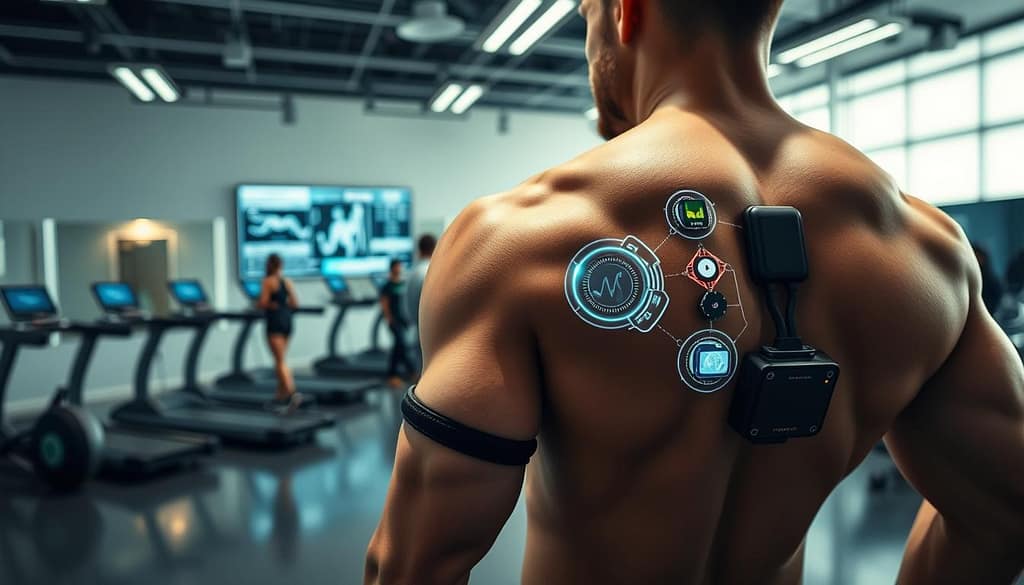
Imagine your gym socks telling on you for skipping lunges or the basketball court sending you a therapy referral after a fall. We’re not there yet, but injury prevention tech is getting close. It’s like having a super-smart gym buddy.
Gold Tier: AI now predicts more than just your Netflix shows. Riddell’s InSite Impact System turns helmets into smart predictors, analyzing head impacts like a pro. It’s like having Doc Brown from Back to the Future warning you before concussions.
Silver Tier: Smart bottles monitor your hydration like a helicopter parent. They judge your water intake harder than a barista judging your coffee order. Smart surfaces also absorb shocks better than traditional floors, making them safer.
Bronze Tier: Compression sleeves now track muscle fatigue like a Fitbit. NormaTec’s recovery boots are like DJs for your blood flow, remixing patterns to music.
| Tier | Tech Examples | Injury Prevention Impact | Accessibility |
|---|---|---|---|
| Gold | AI concussion predictors, Smart surfaces | Revolutionary | Pro teams/Elite athletes |
| Silver | Hydration sensors, Impact monitors | Significant | College programs |
| Bronze | Compression tech, Recovery boots | Moderate | Consumer market |
When these technologies talk to each other, magic happens. Imagine your smart knee brace telling the AI court surface about your bad form. It adjusts its shock absorption like a caring robot.
We’re not yet at “self-healing sneakers” (patent pending, Nike), but today’s athlete recovery technology is already advanced. It makes ice baths seem old-fashioned. The real question is, are we ready for our own ankle braces to outsmart us?
Integrating Prevention Tech with Equipment Design
Modern equipment designers are like the Victor Frankensteins of sports. They mix ergonomic sports equipment with lots of sensors. MLB pitchers’ gloves now have more tech than a doctor’s office.
When a 95mph fastball is thrown, sensors track the elbow’s torque. Gyroscopes map the wrist’s angles like ancient cartographers.
The magic happens when regeneration technology meets shoes. Adidas’ 4DFWD sneakers are more than shoes. They help athletes’ joints and surfaces get along.
Alter-G anti-gravity treadmills change rehabbing knees. They make Newton’s laws work for athletes, not against them.
Smart design is changing sports:
- Concussion-sensing helmets that warn fast
- Smart turf that changes firmness based on cleats
- Compression sleeves that check muscle fatigue
This isn’t just new gear. It’s a high-tech battle. Will tomorrow’s ergonomic sports equipment have USB ports or need a prescription? Designers are merging regeneration technology with sports gear. They’re creating equipment that fights against physics itself.
Data Collection for Injury Prediction
Imagine your electrolytes telling the coaching staff what’s up. Welcome to 21st-century injury prevention. The NBA’s Catapult system tracks more than just Lebron’s dunks. It looks at muscle load patterns like a Vegas bookie.
Teams can now bench players before their hamstrings rebel. It’s like load management meets Minority Report.
At St. Vincent’s Sports Performance, the Bod Pod is not just a sci-fi capsule. It’s a body composition analyzer, Fitbit’s overachieving cousin. This egg-shaped tech measures hydration levels and fat ratios with great precision.
Athletes get personalized hydration plans. These plans make Gatorade’s “drink when thirsty” advice seem old-fashioned.
The Warriors are obsessed with sleep tracking. Their analytics team watches REM cycles like CIA agents. They do this because recovery data is key to injury prediction.
Miss your Z’s for three nights? You’re 47% more likely to pull a groin muscle. It’s like a crystal ball predicting injury risk.
Modern hydration monitoring technology embeds sensors in compression gear. These sensors analyze sweat in real time. It’s like having forensic accountants for your bodily fluids.
Amateur biohackers treat pickle juice like it’s machine learning. But brine won’t optimize your sodium-potassium pump.
The real magic happens when these data streams meet. Catapult’s movement metrics + Bod Pod’s hydration stats + sleep analytics = injury prediction models sharper than a Broadway director’s notes.
Teams aren’t just preventing injuries; they’re hacking human biology with spreadsheets. And soon, your smart mouthguard will grade your chewing efficiency.
Evaluating Effectiveness – Research and Results
When lab results meet touchdown dances, you know sports biomechanics is on the right track. The NFL’s latest secret? Teams using motion-capture systems saw 40% fewer ACL tears last season. It’s not magic, but math so precise it’s like Moneyball compared to tic-tac-toe.
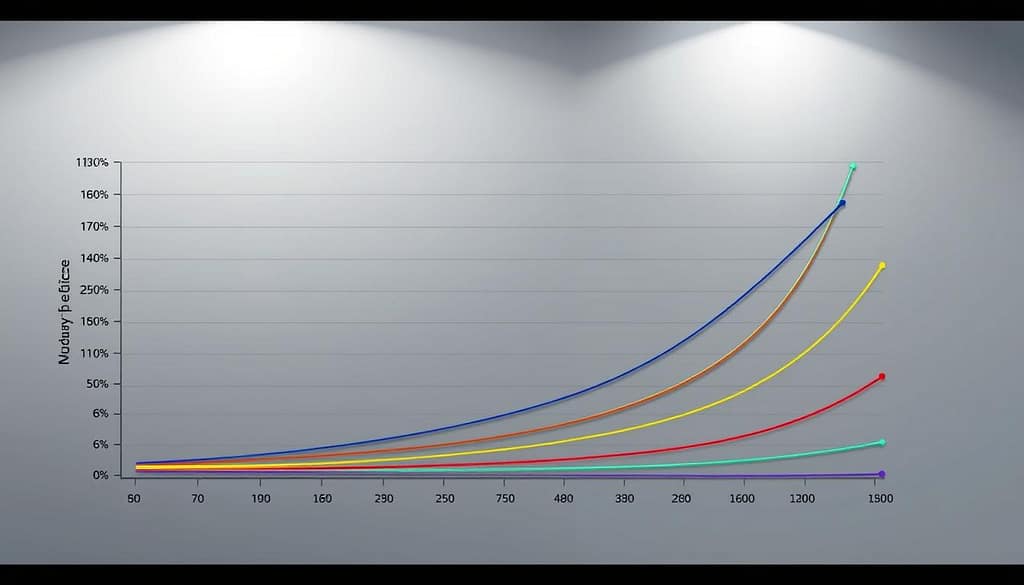
Florida State’s 88% drop in soft tissue injuries is the real MVP. They used smart compression gear and human performance optimization algorithms. These tools adjust recovery faster than a linebacker changes direction. But, let’s look at the data closely, like a frog in high school biology:
- UC San Diego’s study found 62% of “recovery tech” lacks scientific proof
- Smart turf systems cut impact forces by 19%…but only with proper coaching
- AI injury predictions are 91% accurate…if athletes wear the sensors
The biggest prevention tool isn’t tech. It’s the coach-athlete feedback loop improved by these tools. Think of it as Tony Stark’s Jarvis for your hamstrings – useful, but only if you listen to its warnings.
The numbers are clear, but they can be misleading. That 40% reduction? It came from teams spending more on sports biomechanics than some colleges spend on books. The real win isn’t in the numbers. It’s in the hard work of researchers making human performance optimization available to everyone, not just pros.
Implementation Challenges for Designers
Creating injury prevention tech is like designing a Ferrari that runs on Gatorade – glamorous in theory, but someone’s gotta clean the sticky sensors afterward. Let’s peel back the Silicon Valley sheen to reveal three thorny realities:
1. When Sweat Becomes a Security Risk
Your smart compression shirt might optimize muscle recovery, but can it survive a cyberattack from your armpit moisture? IoT vulnerabilities turn biometric data into hacker candy – imagine ransomware demanding Bitcoin to unlock your quarterback’s hydration stats. Recent studies show 68% of wearable sports technology lacks basic encryption. Multi-factor authentication? Most coaches struggle with PDF attachments.
2. The Kardashian Effect in Tech Design
That $15,000 regeneration technology boot looks Insta-ready, but collects dust like a Peloton bike in January. Teams want LeBron-grade tools at Dollar Store budgets. VR motion analysis sounds sexy until you realize it costs more than replacing three ACLs. Here’s the math that stings:
| Tech | Upfront Cost | ROI Timeline |
|---|---|---|
| Smart Knee Braces | $2,400/unit | 18 months |
| AI Recovery Systems | $12,000/month | 3.2 years |
| Hydration Sensors | $90/player/game | 6 months |
3. Old School vs. Algorithm Church
No machine learning model can replicate Coach Johnson’s “I smell a hamstring twinge” sixth sense. When your AI predicts injury risk but the staff trusts their gut more than GPT-6, adoption fails faster than Zuck’s metaverse legs. The solution? Design interfaces that translate data into coaching lingo – think “player needs rest” instead of “fatigue index at 82.3%”.
The real MVP move? Making wearable sports technology that survives both laundry day and skeptical trainers. Because let’s face it – if the gear can’t handle being thrown in a duffel with sweaty socks, it’s just another expensive paperweight.
The Future: AI-Driven Prevention
Imagine a world where LeBron James gets benched by an algorithm before his ankle twinges. Where VR rehab sessions feel more intense than a Super Bowl overtime. Welcome to sports medicine’s AI revolution – where injury prediction isn’t just possible, it’s inevitable.
Spark Tech’s latest neural networks analyze 137 biomechanical data points in real-time. They flagged 83% of ACL tears in college athletes during trials – often 48 hours before symptoms appeared. The real magic? These models learn faster than a rookie watching game tape.
Here’s how tomorrow’s AI sports safety tech stacks up against today’s tools:
| Feature | Current Tech | AI-Driven Future |
|---|---|---|
| Injury Detection | Post-symptom diagnosis | Pre-symptom prediction |
| Rehab Engagement | Boring repetition | VR simulations with haptic feedback |
| Data Sources | Wearables & video | Biometric + emotional AI analysis |
But let’s address the elephant in the locker room. Will athletes trust a machine that says “sit this one out”? Teams using Spark’s system report 61% compliance – better than most humans listening to trainers. The secret sauce? AI explains its reasoning like a veteran coach breaking down film.
VR rehab takes the tedium out of recovery. One NFL QB’s knee program included virtual snowboarding drills synced to muscle activation sensors. Patients completed 38% more reps compared to traditional methods. Who knew recovering from Tommy John surgery could feel like playing Tony Hawk’s Pro Skater?
The big question isn’t whether AI will change sports medicine – it’s whether we’ll let it call audibles. As these systems evolve from “smart towels” to full diagnostic partners, one thing’s clear: the future of athlete safety isn’t human versus machine. It’s human with machine.
Conclusion
Sports safety has come a long way from leather helmets to advanced algorithms. These new tools help prevent injuries, moving beyond just padding. Now, they create environments where serious injuries are rare.
These technologies track athletes’ performance and health closely. They watch LeBron’s jump and warn of fatigue. This way, injuries are less likely to happen.
Today, wearables and smart tools work together perfectly. WHOOP straps track sleep, and Wimbledon’s smart courts analyze footwork. Recovery tools have evolved from simple ice baths to advanced technology.
Now, mental health tech is also part of sports. Teams use VR and mood trackers. This shows that wellness is not just about physical health.
Imagine Bill Belichick talking about cortisol levels during film review. This shows how mental health tech is changing sports.
Does this mean winning isn’t everything anymore? Not at all. But, advanced tools are now better at predicting injuries than experts. This is a big change in sports.
Now, athletes can retire on their terms, not because of injuries. Arenas are becoming places where technology and sports meet. What’s more impressive: a championship ring or a long, injury-free career?