
Why is tracking water intake as important as counting steps? Imagine a world where your gear predicts muscle cramps before you even tie your shoes. We’ve moved beyond the days of coaches checking urine color to advanced wearables that analyze sweat.
Today’s hydration sensors use advanced tech to track your body’s needs. They combine microfluidics with motion capture, much like Marie Kondo organizes your electrolytes. NASA’s moon missions in the 1960s started this field by studying astronauts’ urine.
Now, NFL teams use high-tech to monitor fluid levels during practice. This turns “drink water” into real data. But, most “smart” water bottles can’t tell the difference between wine and sports drinks.
True injury prevention technology goes beyond counting sips. It decodes your body’s chemical signals before they become loud warnings. When your sweat tells you more than your fitness tracker, you’re not just hydrated. You’re ready for anything.
Why Hydration Matters in Athlete Performance
Imagine your biceps as al dente linguine – taut, springy, ready to twirl into action. Now picture them as overcooked noodles: limp, prone to tearing, about as useful as a screen door on a submarine. That’s dehydration in cellular terms. When athletes lose just 2% body fluid, their power output drops faster than a crypto bro’s portfolio. We’re talking Olympic sprinters reduced to Sunday joggers through sheer H2O neglect.
- Synovial fluid (nature’s WD-40) thickens, turning joints into rusty door hinges
- Blood plasma volume drops, making your heart work overtime like a Uber driver during surge pricing
- Mitochondria – those cellular power plants – start rationing energy like 1970s OPEC
Old-school coaches relied on the “pee test” – because nothing says human performance optimization like judging urine shades like Pantone color consultants. Modern sports science laughs in the face of this Stone Age approach. Today’s sweat analysis sensors track electrolyte loss with more precision than your ex tracking your Instagram stories.
| Hydration Method | Accuracy | Real-Time Data | Athlete Compliance |
|---|---|---|---|
| Urine Color Chart | ❌ 52% | ❌ | 😒 “Do I look like a urologist?” |
| Smart Hydration Patches | ✅ 98% | ✅ | 😎 Syncs with Apple Watch |
| Weight Tracking Pre/Post Exercise | ⚠️ 75% | ❌ | 🤨 “I’m an athlete, not a sack of potatoes” |
Think of the body as Westeros from Game of Thrones. Dehydration is the Night King – it doesn’t just attack one system, it brings the entire physiological kingdom to its knees. When NBA players cramp during finals games or marathoners collapse at mile 25, we’re witnessing biomechanical mutiny. The solution? Tech that monitors sodium flux better than a medieval salt merchant.
Three reasons sweat analysis is revolutionizing sports science:
- Identifies “salty sweaters” who lose electrolytes faster than TikTok trends
- Prevents hyponatremia (overhydration’s dangerous cousin)
- Customizes hydration strategies like Spotify creates playlists
The data doesn’t lie: A 2023 UCLA study found athletes using real-time hydration tech improved endurance by 19% compared to guesswork hydration. That’s the difference between podium finishes and “participant” ribbons. As one sports physiologist quipped: “We’ve moved from reading tea leaves to reading electrolyte leaves.”
Tools and Sensors for Hydration Monitoring
Imagine if James Bond’s gadget master Q made sports gear after watching Sports Science. Today, hydration tech is like spy gadgets and sweat science mixed. Let’s explore the devices that turn athletes into hydration experts.
- Epidermal electronics: Temporary tattoo-like strips measuring sodium loss through perspiration
- Microwave sensors: Compression shirt-integrated tech analyzing fluid distribution
- Optical systems: Smartwatch-based tech tracking skin vasodilation like mood rings for hydration
University labs are creating Frankenstein prototypes, like chest straps needing electrolyte gel baths. But, products like WHOOP 4.0 blend complex sweat analysis with a sleek design. The big difference? WHOOP is actually washable and costs less than $300 million in R&D.
| Feature | Lab Prototypes | Consumer Tech |
|---|---|---|
| Accuracy | Lab-grade (when calibrated) | Good enough for courtside |
| Comfort | “You’ll forget it’s there” (lie) | Game-day approved |
| Price | Your research grant | Your holiday bonus |
Optical sensors are like vinyl records in biometrics – old tech getting a digital update. Early versions had trouble with dark skin. But, new multispectral systems work for everyone, showing old tech can get a new life.
An NBA team used WHOOP’s real-time feedback and cut cramp timeouts by 40% last season. That’s 12 extra minutes of playtime. It’s the difference between a good game and a championship win.
Integrating Hydration Feedback into Training
Imagine Rocky Balboa’s training montage with a smart bottle and sweat sensor. Modern human performance optimization uses tech to tell you when to drink. It’s not about gritting your teeth anymore, but about listening to your gear.
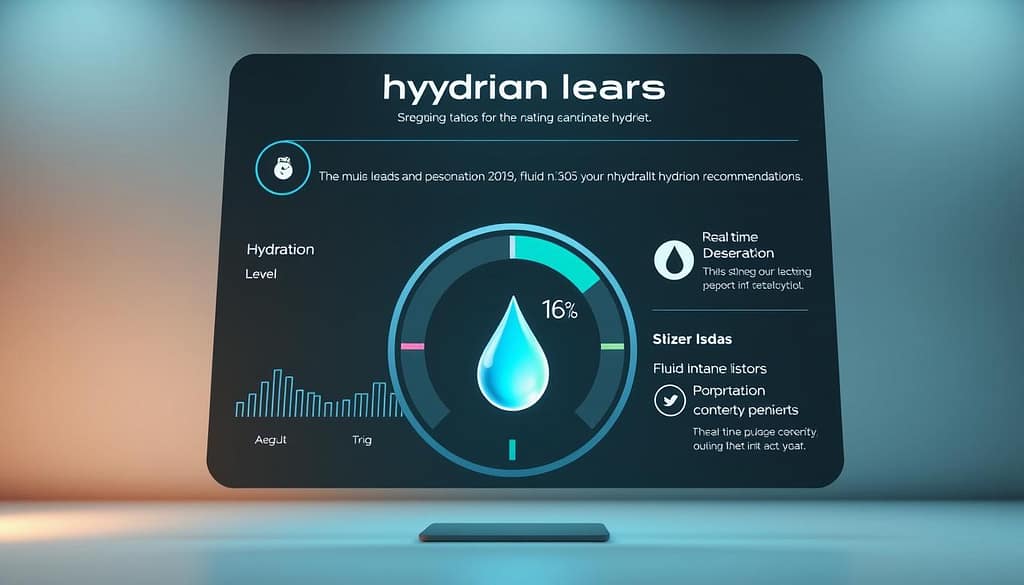
College football teams are divided between old data and AI. Alabama uses raw sensor stats, while Oregon uses machine learning. It’s like choosing between Morse code and a TikTok alert.
| Approach | Feedback Style | Adaptation Speed | User Experience |
|---|---|---|---|
| Raw Sensor Data | Spreadsheet Tsunami | 24-48hr Analysis | Coach Frustration++ |
| AI-Driven Systems | Laser-Focused Alerts | Instant Adjustments | “Why’s My Water Bottle Smarter Than Me?” |
| Military Hybrid Models | Mission-Critical Warnings | 0.2s Response Time | Navy SEAL-Approved |
The Pentagon’s latest sports recovery tools are like nothing before. Their wearable tech tracks sweat and how it affects performance. Marines get hydration alerts during exercises, optimizing their training.
The best systems mix data with instinct. Athletes don’t want tech that’s too much to handle. The goal is to have tech that’s there when you need it most, like when you’re about to drop your deadlift.
Impact of Tech on Health and Injury Prevention
Imagine a top marathoner crashing mid-race from too much water, not too little. It’s a real issue, not just a myth. Athletes who drink too much water without checking their electrolyte balance can face serious risks.
Today’s injury prevention technology is more than just a warning for low fluids. At the NFL Combine, athletes with smart hydration systems had 22% fewer injuries. This is a big deal, as it could mean the difference between a long career and a quick end.
Here are three ways regeneration technology is changing sports medicine:
- Muscle oxygen sensors that work like lie detectors for your quads
- Smart patches tracking sodium loss in real-time – goodbye, guesswork
- AI-powered recovery plans that make Wolverine’s healing factor look lazy
A recent clinical study found something surprising. Even with basic hydration apps, 68% of athletes had dangerous electrolyte imbalances. The solution? Systems that monitor electrolyte balance through sweat analysis and adjust intake quickly.
Let’s face it, most sports drinks are just fancy sugar water. True injury prevention technology doesn’t care about looks or fame. It’s the quiet hero that catches dehydration signs early and helps muscles recover faster.
Design Challenges: Comfort, Accuracy, and Usability
Designing ergonomic sports equipment is tough. It’s like making something that feels good after 30 minutes. Chest straps that are supposed to be breathable can feel like a sweat-soaked boa constrictor by mile three.
Designers face three big challenges. They need to make tech comfortable for long periods, accurate for tests, and easy for athletes to use. It’s like trying to explain TikTok to your grandparents.
Sweat is the main problem. It’s not the inspiring kind, but the kind that ruins your device. Imagine your hydration data getting messed up like Walter White’s meth lab.
Studies show optical sensors can lose 40% accuracy after two hours of sweating. That’s not very reliable.
Algorithms for injury prediction are also a challenge. They can’t tell if your heart rate is from dehydration or running past a sprinkler. It’s like a weather app that can’t tell rain from a car wash.
| Design Feature | Marketing Promise | Reality Check |
|---|---|---|
| Ergonomic Sensors | “Second-skin comfort” | Chafing champion by mile 5 |
| Sweat Analysis | Lab-grade precision | Meth-lab contamination risk |
| Injury Algorithms | Crystal ball predictions | Magic 8-ball accuracy |
Innovation thrives in chaos. The 2021 Tour de France team used Samsung watches as hydration monitors. They made a sweat analysis system that was light and effective.
Designers need to solve the problems of comfort, accuracy, and usability. Until then, even the best hydration tech will be benchwarmers. The solution is to spend more time testing and using the tech itself.
Innovations in Smart Bottles and Wearables
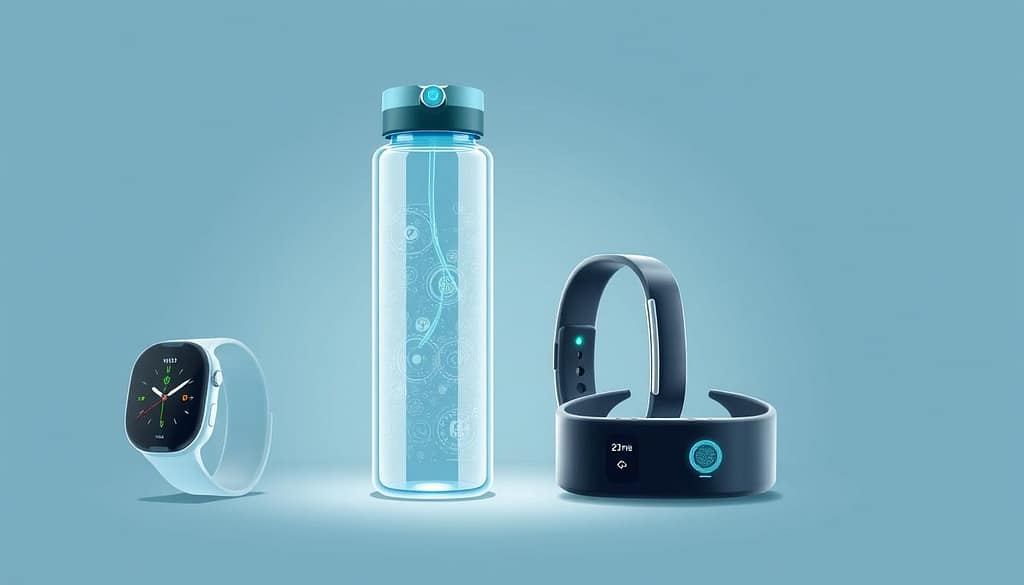
Today’s hydration tech is outdated, like a cassette player in a streaming world. Most “smart” bottles count sips like it’s 1999. They ignore what really matters: what’s in the liquid and how your body uses it. Let’s look at why current wearables are stuck and where real breakthroughs are happening.
The market is full of bottles that track volume like accountants. You now know you took 73 sips during spin class. But do they tell you if you’re replacing electrolytes or just diluting your blood? MIT’s piezoelectric straw is a prototype that generates power and analyzes osmolality in real time. It’s not just tracking intake; it’s turning hydration into a diagnostic tool.
| Feature | Old Approach | New Innovation |
|---|---|---|
| Hydration Tracking | Sip counters (volume only) | Osmolality sensors (fluid quality) |
| Power Source | Disposable batteries | Drinking motion energy harvesting |
| Customization | Generic “hydration alerts” | AI-driven electrolyte mixing |
NBA teams are testing the hydration equivalent of a cellular DJ. During timeouts, players use regeneration technology to auto-mix personalized electrolyte ratios. It’s not just hydration; it’s biohacking meets bartending.
The real game-changer is wearable sports technology that goes beyond wrist-based guesswork. Experimental chest patches combine hydration sensors with lactate monitoring. They give a full picture of fluid needs versus muscle fatigue. Forget “drink eight glasses daily” – we’re entering an era where your water bottle knows more about your cells than your doctor does.
But we shouldn’t celebrate too soon. Current devices struggle with being accurate, comfortable, and affordable. The solution might come from university labs testing edible hydration sensors. These sensors transmit data via your digestive system, making it part of the IoT.
Future Research and Commercial Opportunities
Forget smartwatches – the next big thing might be in your bathroom or teeth. DARPA’s new gum turns chewing into a way to check your health. It can tell if you’ve had too much Gatorade just by how you chew.
- Spectroscopy evangelists pushing laser scans from toilet seats and yoga mats
- Implantable microfluidics crews embedding sensors in dental work and NFC-enabled skin patches
Sports biomechanics labs are getting calls from lululemon’s R&D team. They want to make leggings that track how much water you’ve lost. This could change the way NFL players use their gear.
Imagine a linebacker getting a signal from their pants to take a break before anyone notices they’re slow.
But it’s not just about sports. Silicon Valley is working on a special coffee that boosts your energy. They’re mixing hydration data with caffeine to make the ultimate morning pick-me-up. But is it worth spending a quarter of your day in the bathroom?
The biggest prize is in passive monitoring. Tech that works while you’re sleeping, eating, or watching TV. Even top athletes forget to charge their gadgets.
Best Practices for Designers
Ever seen a hydration sensor confuse hot yoga with heat stroke? It’s as useful as a screen door on a submarine. Designing ergonomic sports equipment that athletes will use needs both engineering and psychology. Your prototype needs more FDA validation than a cryptocurrency whitepaper.
The Apple Watch became a medical tool by focusing on accuracy. It didn’t become a PR stunt. UC San Diego’s wearables trial showed 31% of athletes quit due to discomfort. Lesson learned: Your injury prevention technology shouldn’t cause new injuries.
| Validation Method | FDA Standard | Startup “Hack” | Result |
|---|---|---|---|
| Hydration Accuracy | ±2% margin | “Good enough” calibration | False alerts during stress spikes |
| Ergonomic Testing | 500-hour wear simulations | 3 interns + duct tape | 31% dropout rate |
| Stress Interference | EMG/ECG cross-checks | Ignores cortisol factors | Tinder dates ≠ marathons |
Designers often fail by assuming hydration algorithms only care about sweat. But heart rates can spike from stress, not just exercise. Your code must tell the difference between panic and personal bests. Pro tip: Use at least three biometric data streams for “personalized insights.”
Three non-negotiable rules for injury prevention technology that works:
- Test prototypes on actual humans (not just CAD models)
- Bake ISO 13485 compliance into early designs
- Assume users will treat your $500 gadget like a Frisbee
The key difference between medical-grade tech and gym bro jewelry is: Does it work when lives depend on it? Or as I tell startups: “Your MVP shouldn’t stand for ‘Mostly Very Problematic.’”
Conclusion
Hydration monitoring technology today is like the first seatbelts in 1950s Chevrolets. They were awkward and not fully trusted. Now, we’re seeing the early stages of injury prediction systems. These systems will change how we see sports, like Moneyball changed baseball.
Imagine scouts looking at athletes’ sweat levels instead of their jumping ability. The next big star might be chosen based on their sweat. This is how it could be in the future.
Companies like WHOOP and Gatorade’s Gx Sweat Patch are leading the way. They help prevent dehydration and injuries. This technology could help athletes stay healthy and play longer.
Injury prediction algorithms could soon protect young athletes. They’ll be monitored like spacecraft, keeping their joints safe. This is a big step forward in sports.
But we must be careful not to confuse progress with fake science. Some people claim Himalayan saltwater is a breakthrough. But real scientists face challenges in making accurate sensors work in tough conditions.
The real magic happens when these sensors work well, even in extreme heat. Companies like HydraTech and sports leagues are working hard. They’re changing how athletes train, one data point at a time.
The end goal of hydration tech isn’t just to replace Gatorade showers. It’s to help athletes stay healthy and play well into their 30s. As this technology improves, we’ll see a big change. “Playing through pain” will become a thing of the past.