
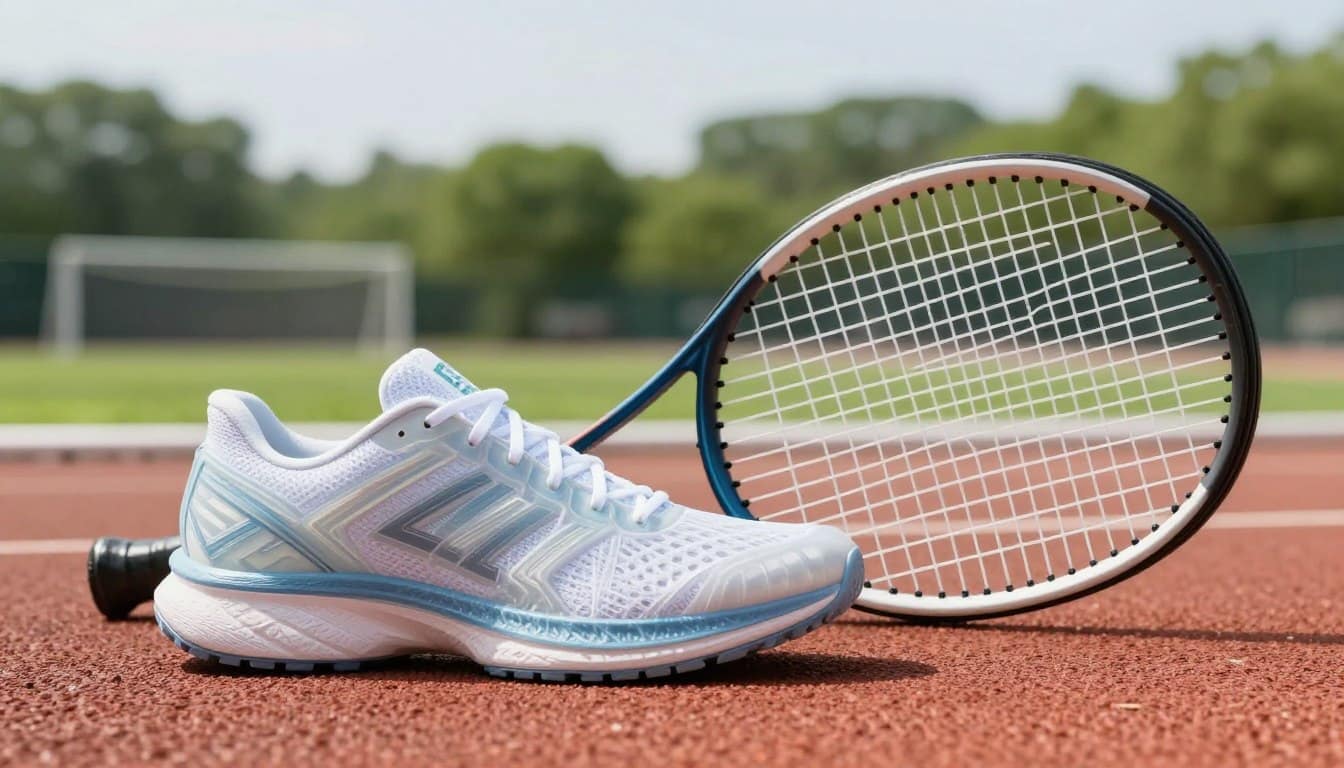
Welcome to the exciting world of biopolymer sports gear. Here, innovation meets sustainability. For years, we’ve loved high-performance materials like carbon-fiber rackets and nitrogen-infused soles. But have we thought about their environmental impact?
Now, athletes can enjoy gear that boosts performance and protects our planet. Imagine tennis rackets that make you stronger and running shoes that feel softer. These are made from food waste and other bioresources.
These materials change the game from waste to responsibility. Let’s look into how these advanced materials are changing our sports gear. Are you ready to see how your next pair of trainers could become garden mulch? The future of sports equipment is about being fast and green.
What Are Biopolymers?
Biopolymers are more than just a trend in green materials. They are a complex group of substances that nature has been refining for ages. Made from renewable sources, they offer a sustainable option compared to regular plastics.
Biopolymers fall into two groups: natural and synthetic. Natural ones come straight from biomass, like starch, cellulose, and collagen. These are often biodegradable and found in things we use daily, from food packaging to clothes.
Synthetic biopolymers, like polyhydroxyalkanoates (PHA) and polylactide (PLA), come from oil but are made to decompose. This raises a question: why call something “synthetic” if microbes make it? It’s like saying a custom-made suit is “fast fashion” because it’s made with new methods.
The possibilities for biopolymer sports gear are huge. Picture a tennis racket made from flax or cleats from biodegradable materials. These materials are not only durable but also support a shift towards eco-friendly sports. Just as a tailored suit fits perfectly, biopolymers can be tailored for various uses, encouraging us to think differently about waste.
In short, biopolymers are a blend of innovation and sustainability. They push us to rethink our material choices and aim for a future where our sports equipment is both green and effective.
Case Examples in Equipment (Shoes, Balls, Rackets)
Welcome to the future of sports gear, where performance meets sustainability. Biopolymers are changing the game with gear that’s good for the planet. Let’s explore how these biopolymer sports gear innovations are making a difference.
Running shoes now use algae-based polymers for cushioning. This not only cushions your feet but also protects your joints. Imagine running with shoes that feel light yet support your every step!
Tennis rackets are also getting a makeover. Made from advanced carbon-fiber composite polymers, they offer more power and control. They flex like a yoga instructor, delivering serves that can hit 130 mph. That’s serious performance!
Table tennis balls have also seen improvements. Polymer composites in these balls make the game faster and more exciting. Who wouldn’t want to improve their game with a little science?
Soccer balls have evolved too. Today’s designs use multi-layer textile-reinforced polymer composites. This offers viscoelasticity, helping players control the ball better. It’s like having a mini trampoline at your feet!
But what about the environment? Biodegradable polymers and natural fiber-reinforced composites are being used. This shift aims to reduce waste and promote sustainability. Research shows these materials can be just as effective as traditional ones.
| Equipment Type | Material | Benefits |
|---|---|---|
| Running Shoes | Algae-based cushioning polymers | Lightweight, reduces joint impact |
| Tennis Rackets | Carbon-fiber composite polymers | Enhanced power and control |
| Table Tennis Balls | Polymer composites | Improved scoring rates |
| Soccer Balls | Textile-reinforced polymer composites | Better control and viscoelasticity |
In this exciting landscape, the question remains: if I buy eco-friendly gear, am I sacrificing my edge, or am I just ahead of the curve? Spoiler alert: it’s both. With advancements in lightweight eco composites, athletes can now perform at their best while also being stewards of the planet.
Comparing Strength and Performance
It’s time to look at how biopolymers stack up against traditional sports gear. Biopolymer sports gear is more than just a buzzword. It’s a blend of strength and sustainability.
Polymers are known for being lightweight, durable, and flexible. They also resist impacts and weather well. Thermoplastics like polypropylene, mixed with fiberglass, are key in making skis, snowboards, and tennis rackets. They provide unmatched lightweight strength.
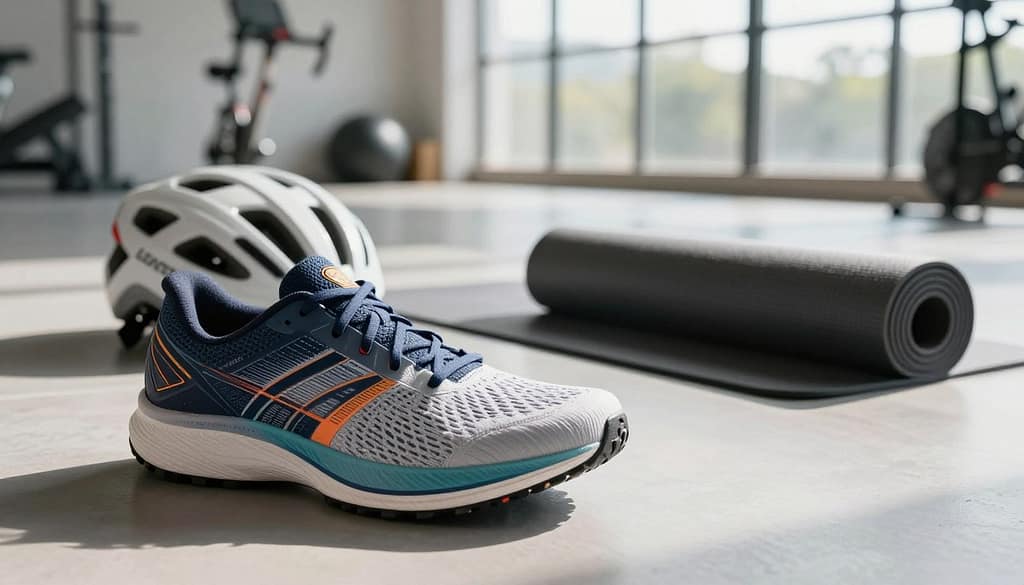
Now, let’s talk about eco-friendly options. Biodegradable polymers have mixed properties. For example, polyglycolide has a tensile strength of 70–117 MPa. But thermoplastic starch is much weaker, at 16–22 MPa. Can starch-based polymers handle the force of a golf swing, or will they break easily?
The stiffness-to-weight ratio is key in sports gear. Athletes want that perfect feel. It’s not just about numbers; it’s about the experience. A product with great specs but no satisfying *thwack* is useless.
This is a battle between flax-reinforced PLA and carbon-fiber epoxy. The latter is a top choice for high-performance gear. But can the eco-friendly option keep up? The results show biopolymers are getting closer, but they need to improve in some areas.
- Tensile Strength: PGA outperforms many traditional materials.
- Impact Resistance: Some biopolymers are surprisingly resilient.
- Fatigue Life: This is where the competition gets tough.
In conclusion, biopolymer sports gear is just starting its journey. They may not be the top contenders yet. But they’re definitely in the game, showing that “green” doesn’t mean “weak.”
Environmental Impact
The story of biopolymer sports gear is one of hope and reality. In a world filled with plastic waste, these lightweight eco composites offer a new hope. Imagine your old sneakers turning into nutrient-rich soil instead of littering beaches. It’s a dream we all wish for.
Biodegradable polymers can break down into water, carbon dioxide, and methane with the help of microorganisms. This can happen in both oxygen-rich and oxygen-poor environments. The world is starting to recognize the value of composting biodegradable plastics. But, not all biopolymers are the same. Their speed of biodegradation can vary based on several factors.
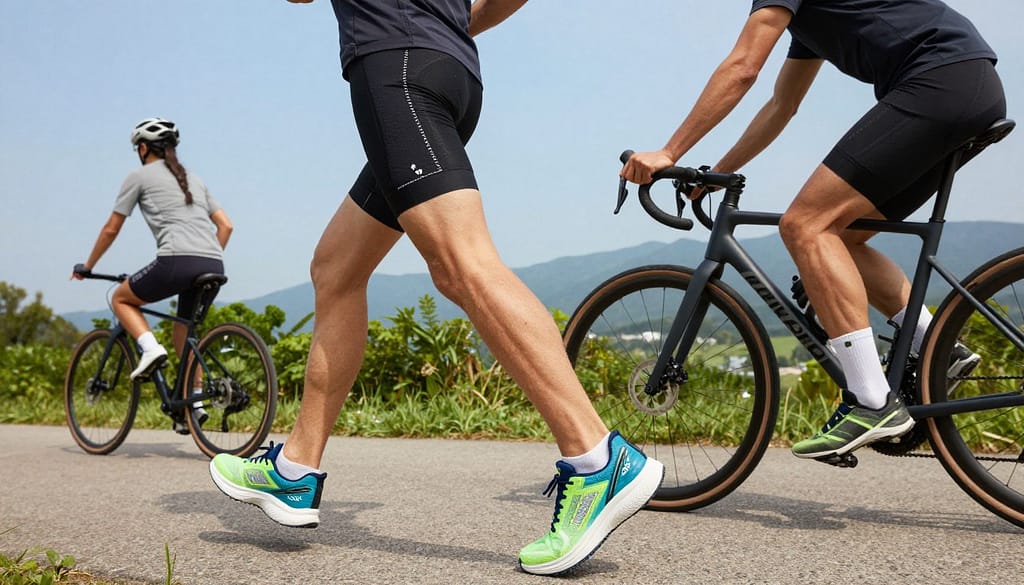
Sports goods made from biopolymers have a lower environmental impact. We’ve all seen pictures of old sneakers on beaches, looking brand new. Biopolymers aim to give your old gear a new life, like turning an old racket into mushroom food.
But, just because something is labeled “biodegradable” doesn’t mean it’s perfect. Throwing a PLA water bottle into the ocean is not the solution. We must look at the whole life cycle of biopolymer sports gear, from making to disposing of it.
For example, making biopolymer running shoes can be better for the planet than traditional ones. This change is key to our sustainability journey. As we move towards a circular economy, turning waste into new products becomes more possible. Biopolymers might help us break the pollution cycle.
Future Potential
The future of biopolymer sports gear is bright. It’s a chance for new ideas. Imagine tennis rackets that change stiffness like squid ring teeth. Or running shoes that adjust cushioning and then break down.
This mix of eco-friendly materials and tech will change sports. Soon, wearables might check your yoga form and then compost. It’s not far off.
But, there are big challenges. Making these products affordable and widely available is tough. Also, dealing with rules can be hard. But, biopolymers promise better performance and less harm to the planet.
With Paris 2024 coming, the pressure is on. Talking about biopolymer sports gear is about more than being green. It’s about showing strength and smarts. For more on these advancements, see this resource.