Royals ballpark impact on KC infrastructure

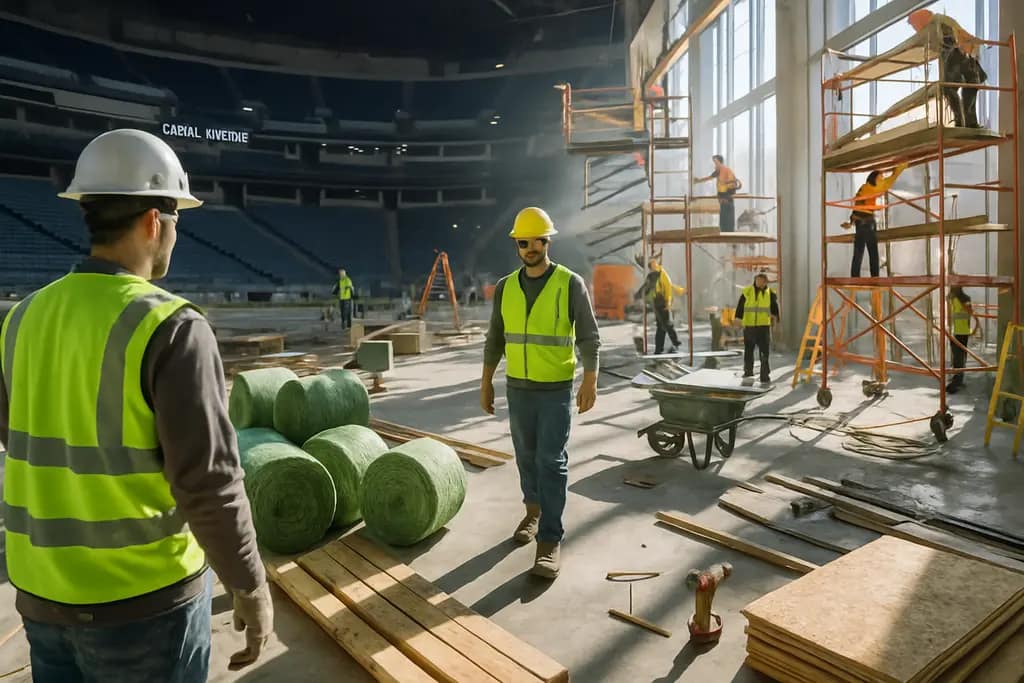
The Royals ballpark impact is no longer an abstract sports-business question for Kansas City. As of November 3, 2026, the city-approved framework set up a new open-air ballpark at Crown Center, a major downtown district, public infrastructure commitments, and a community investment package that will be judged well beyond baseball attendance.

For an equipment and venue analyst, the sustainability question is practical: does the project reduce pressure on car-dependent event … Read the rest
Audi Field Renovation: Funding And Footprint

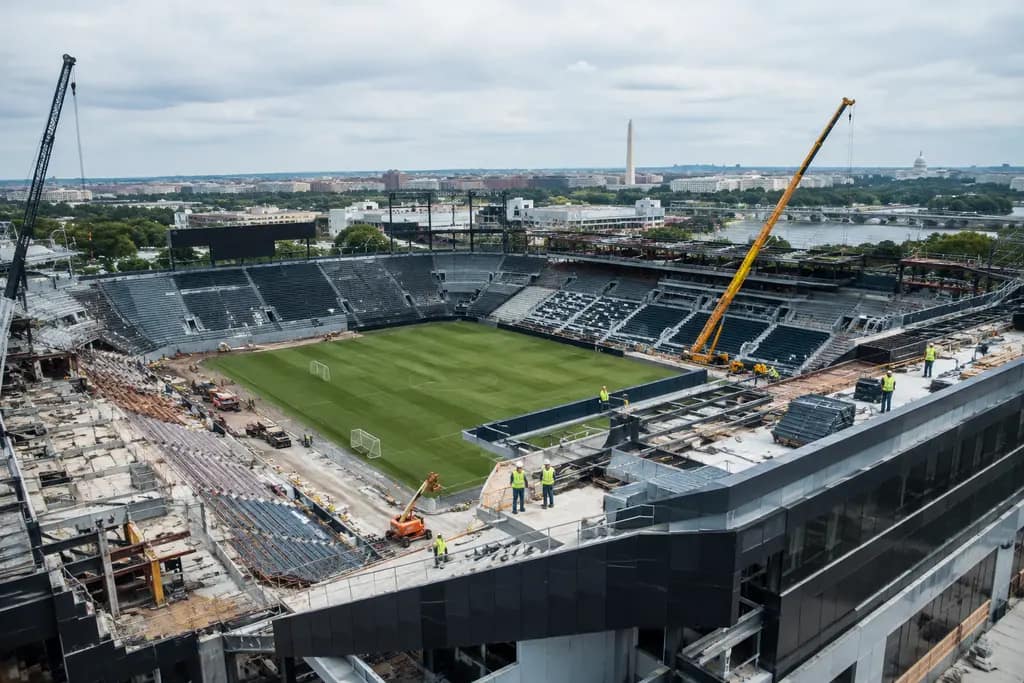
The Audi Field Renovation proposal has moved from a soccer-facility question into a broader test of public finance, venue sustainability, and Buzzard Point infrastructure. Introduced in July 2026, the plan would add a climate-controlled roof and expand Audi Field by roughly 8,000 seats, taking capacity from about 19,200 to approximately 28,000, according to WTOP reporting. That makes the project more than a D.C. United upgrade. It is a city … Read the rest

Allegiant Stadium Renovation: Can North Entry Ease Crowds?

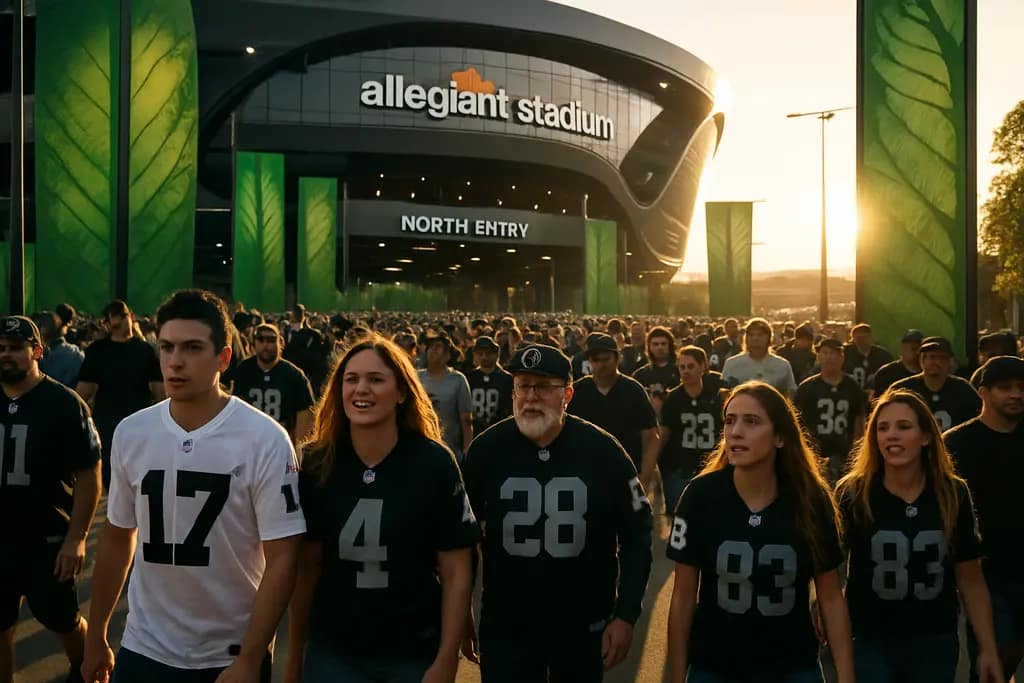
The Allegiant Stadium Renovation approved on September 2, 2026, is best read as a targeted congestion project, not a full cure for event-day traffic in Las Vegas. The Las Vegas Stadium Authority approved $75 million in public funds toward a $158 million north entry project, with the Raiders covering the remaining $83 million, according to NFL.com. From a sustainability lens, the central question is narrow but meaningful: can a … Read the rest

Commanders transit upgrades: 2030 stadium test

The Commanders transit upgrades approved by the D.C. Council on October 6, 2026, put a measurable sustainability question at the center of Washington’s planned return to the RFK campus: can a 65,000-seat football stadium move event crowds without rebuilding the old car-first model around it?

The answer is not settled. The funding package is substantial, with $305 million directed toward transit access near the future stadium site. Yet most of … Read the rest

Nationals Park Improvements: D.C. Cost Test

Nationals Park improvements now sit at the center of a familiar sports-business question: how much public spending is justified to keep a major venue economically useful, environmentally credible, and competitive for fans? The District’s plan is not about building a new ballpark. It is about preserving a 2008 venue that anchors baseball activity, nearby restaurants, hotels, apartments, transit trips, and non-game-day foot traffic around Navy Yard.

That distinction matters. A … Read the rest

Ball Arena Renovation: Greener Fan Upgrades

The Ball Arena Renovation is framed as a $135 million fan-experience project, but its sustainability value depends less on headline spending and more on what can be measured after Nuggets and Avalanche crowds move through the building. Based on the available research, the strongest evidence sits in beverage packaging, recycling infrastructure, and the broader district plan around the Denver venue. The weaker area is public detail on how each fan-facing … Read the rest

Fan Mobility in Las Vegas Ballpark Plans

Fan mobility sits near the center of the Las Vegas A’s Ballpark debate because the planned venue is being designed with far less on-site parking than many U.S. stadium projects have used in the past. As a sustainability advocate, I see that as both a challenge and a chance to reduce car dependence, if the surrounding systems perform on game days.

The ballpark is planned as a 33,000-seat venue, with … Read the rest

Kansas City venues face a 2031 green test

Kansas City venues are being positioned for a bigger role in women’s soccer, baseball, football, and sports tourism before the 2031 FIFA Women’s World Cup cycle. The sustainability question is not whether the city can build or renovate enough seats. It is whether those seats can be tied to lower-waste operations, credible public finance, better fan movement, and long-term civic use after the tournament window passes.

As of September 28, … Read the rest

Chicago Fire stadium: Fans, Funding, Risk

The Chicago Fire stadium plan is being sold on two promises that do not always sit comfortably together: a tighter soccer experience for supporters and a lower direct burden for taxpayers than many North American stadium projects. The venue, named McDonald’s Park, is planned as a privately funded, $750 million soccer-specific stadium with about 22,000 seats at The 78, the 62-acre mixed-use development along the South Branch of the Chicago … Read the rest

Chicago Fire Stadium Infrastructure Test

The Chicago Fire Stadium project is not only a soccer venue story. It is a test of whether a major club facility can support denser urban growth without locking matchday travel, public spending, and riverfront land into a car-first pattern. McDonald’s Park is expected to open in 2028 at The 78, a South Loop riverfront site that has long been framed as a mixed-use district rather than a single-purpose sports … Read the rest