
The Royals stadium deal has moved from civic debate to a defined public-finance test for Kansas City. As of September 15, 2026, the Royals’ planned Crown Center ballpark is no longer just a location announcement; it is a package of stadium spending, mixed-use development, public commitments, private investment, and community promises that will be judged over decades rather than one baseball season.
For sports fans, the case is easy to frame emotionally: a downtown ballpark can change a franchise’s daily rhythm, its pregame economy, and how a city presents baseball to visitors. For public officials, residents, and workers near the site, the question is less romantic. Who carries the risk if projected tax revenue falls short? How enforceable are the community benefits? Can a stadium built for Major League Baseball also meet credible sustainability expectations?
Those questions matter because sports venues are no longer judged only by capacity, skyline views, or premium seating. They are civic infrastructure projects. They shape land use, public services, neighborhood traffic, construction jobs, and climate commitments. Kansas City’s plan now sits in that wider debate, alongside other large U.S. stadium proposals where teams and governments argue that sports development can deliver economic growth while critics ask for clearer public safeguards.
Royals stadium deal: Public Costs And Risk
What The Crown Center Package Includes
The Royals announced Crown Center as the location for a new ballpark district in April 2026, with the full stadium and mixed-use development projected at about $3 billion, according to KCUR’s report on the Crown Center site. The project is being framed as more than a replacement for Kauffman Stadium. The research record describes a development district with a stadium, public space, hospitality, entertainment uses, infrastructure work, and team offices.
The Economic Development Corporation of Kansas City reported that the Tax Increment Financing Commission recommended the downtown stadium plan on September 9, 2026. The plan identified Kansas City’s commitment at $600 million, including about $510 million for the stadium and related facilities and $90 million for infrastructure improvements, with the public investment tied to a larger RPA 1 development estimate of about $2.05 billion and a public portion of about $1.14 billion, according to the TIF Commission recommendation.
Royals stadium deal Funding Test
The central fiscal issue is not only the headline cost. It is the repayment structure. Most of Kansas City’s subsidy is expected to be financed through tax-backed bonds repaid over 30 years, with tax increment financing revenue from the new development expected to service much of the debt. The risk, as presented in the research, is that if TIF revenue does not meet projections, city funds, including funds used for public services, could be pledged to cover gaps.
That is why the Royals stadium deal needs to be read as a long-term balance sheet issue, not just a sports-business announcement. Stadium districts often promise new activity, but the key measurement is net public value: how much spending is new to the city, how much is shifted from other Kansas City entertainment districts, and how much public exposure remains if revenue projections soften during recessions, weak attendance cycles, or construction cost pressure.
| Category | Reported Figure Or Commitment | Why It Matters |
|---|---|---|
| Total project estimate | About $3 billion | Sets the scale of the stadium and mixed-use district |
| Kansas City commitment | $600 million | Defines the city’s direct public exposure |
| Infrastructure share | About $90 million | Links the project to streets, utilities, and access needs |
| Public portion noted in TIF plan | About $1.14 billion | Shows the broader public-finance structure |
| Royals private investment | Estimated at $760 million | Signals team contribution and overage responsibility as reported |
Economic Claims Meet Community Response
Jobs, Downtown Activity, And Displacement Concerns
Supporters have argued that a Crown Center ballpark can add jobs, draw visitors, and concentrate entertainment activity downtown. That claim is plausible in a narrow sense: a stadium district can attract game-day spending and shape adjacent development. Yet the more cautious reading is that job quality, wage standards, and displacement effects decide whether the gains reach residents beyond team owners, developers, and high-income fans.
The reported commitments include prevailing wages and at least $55 million in community benefits over the life of the lease. The listed items include $5 million for the Housing Gateway Program, $5 million for the Negro Leagues Baseball Museum, $14 million for Kansas City’s One Percent for the Arts program, and roughly $31 million for youth sports, education, and other initiatives. Those commitments have public value, especially the museum and youth sports pieces, but they also need transparent reporting over time.
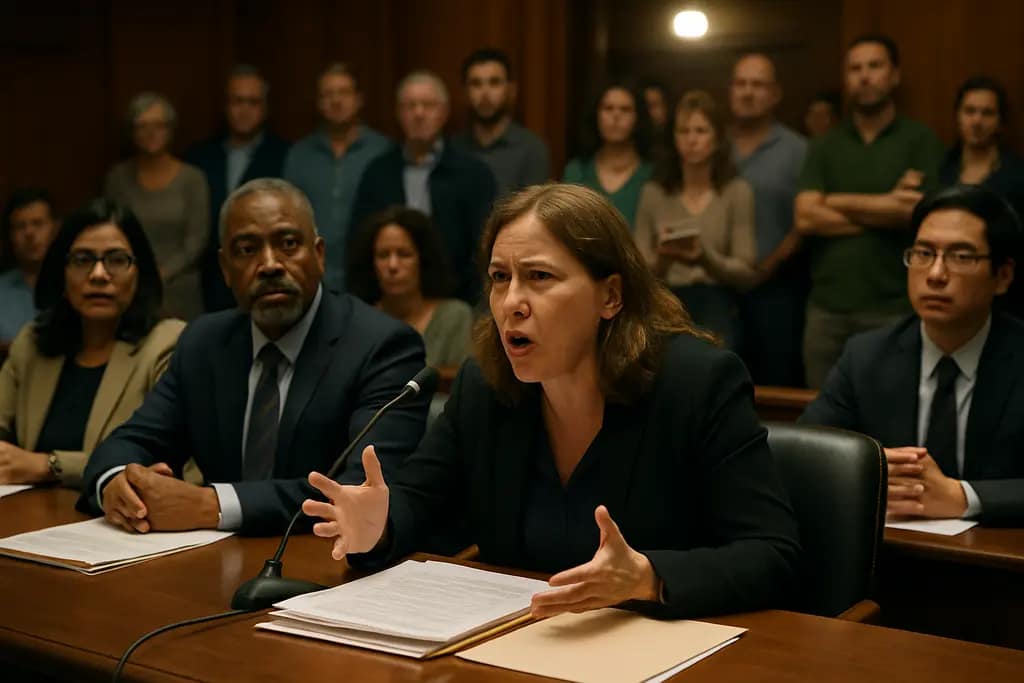
The Royals stadium deal was approved by the Kansas City Council on an 11–2 vote, with Councilmembers Johnathan Duncan and Nathan Willett voting against it, according to the research record. The political split was not only about baseball. The decision to proceed without a public vote became a major point of contention, and advocacy groups representing low-wage workers submitted petitions seeking future voter approval.
Community Benefits Need Measurable Terms
Community benefit agreements can sound persuasive when announced, but their value depends on enforcement. A $55 million commitment over a 30-year lease is meaningful only if residents can see schedules, recipients, compliance reports, and remedies for missed benchmarks. That is especially true for youth sports and education commitments, where the public should be able to track whether funds reach programs, fields, coaching support, and access for families who are often priced out of organized sports.
For readers comparing stadium finance across cities, our related analysis of the Royals stadium impact takes a broader look at downtown land use and public costs. Readers following civic sports projects across the same publishing network may also find regional context at noticiasbo, offering a broader perspective on related civic issues.
The strongest public case for the Royals stadium deal will not be made by renderings. It will be made by audited outcomes: construction hiring, permanent job quality, neighborhood mitigation, tax performance, public access, and whether the city avoids pressure on basic services if revenue projections miss their targets.
Sustainability Tests For A Downtown Ballpark
LEED Gold Is A Starting Point, Not The Full Scorecard
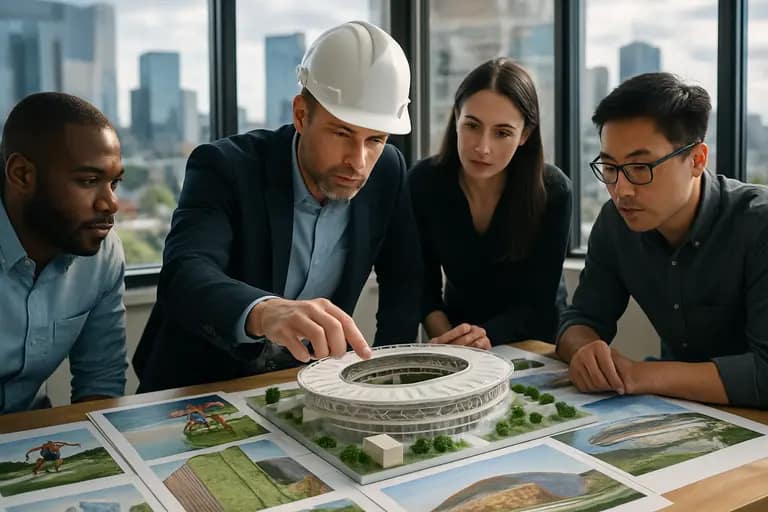
The research notes a sustainability goal of building to LEED Gold standard. That is a useful benchmark, but it should not be treated as a complete climate answer. A sports venue’s environmental profile depends on materials, energy performance, water use, waste management, transportation patterns, and the life-cycle impact of demolition, construction, and operations. The available research does not provide enough detail to verify performance in each category, so any stronger claim would be premature.
From a sports operations angle, the sustainability question also connects to athlete and fan safety. Heat management, indoor air quality, shaded public areas, accessible sensory rooms, and emergency operations all affect how a venue performs under stress. The research notes free sensory rooms and a LEED Gold goal, both relevant to inclusive design and environmental planning. It does not yet establish how the project will measure emissions, reduce construction waste, or manage game-day transportation impacts.
Public Infrastructure And Long-Term Maintenance
One notable reported provision shifts stadium upkeep costs to the Royals rather than the city. If maintained through the lease, that could reduce a common public burden in stadium agreements: future maintenance obligations that appear years after ribbon-cutting. Still, the city’s $90 million infrastructure share means Kansas City remains deeply involved in the physical systems around the district.
The Royals stadium deal therefore raises a practical sustainability standard: public money should buy public durability. Streets, utilities, public space, and access improvements should work for residents on non-game days as well as on baseball nights. A downtown stadium district that is active only 81 regular-season home dates would be a weak land-use outcome. A district that supports daily movement, public gathering, and lower-impact operations would have a stronger civic argument.
There is uncertainty here because the public record summarized in the research gives broad commitments rather than operating metrics. Kansas City residents should expect future documents to specify energy targets, water strategies, waste diversion plans, materials standards, and public reporting. Without those details, “sustainable stadium” remains an aspiration rather than a verified outcome.
Kansas City Royals Crown Center Stadium Deal
As of September 15, 2026, the Crown Center plan stands as one of the most important sports-infrastructure decisions in Kansas City’s recent civic life. The baseball argument is clear: the Royals want a modern downtown home with hospitality, office, and entertainment uses around it. The public argument is harder: Kansas City is accepting long-term financial exposure in exchange for projected development, community benefits, and a new urban sports district.
The cautious view is not anti-stadium. Baseball parks can help shape identity, and downtown venues can create real value when they are integrated with public needs. The issue is proof. The Royals stadium deal should be judged by whether projected tax revenue appears, whether community benefits are delivered on schedule, whether maintenance obligations stay with the team, and whether sustainability claims become measurable performance.
For fans, the future ballpark may eventually change how a Royals home game feels. For taxpayers, workers, and nearby neighborhoods, the more important scoreboard will run for 30 years. Kansas City has approved a major bet on sports-led development. The next phase should be less about selling the vision and more about publishing the evidence.