
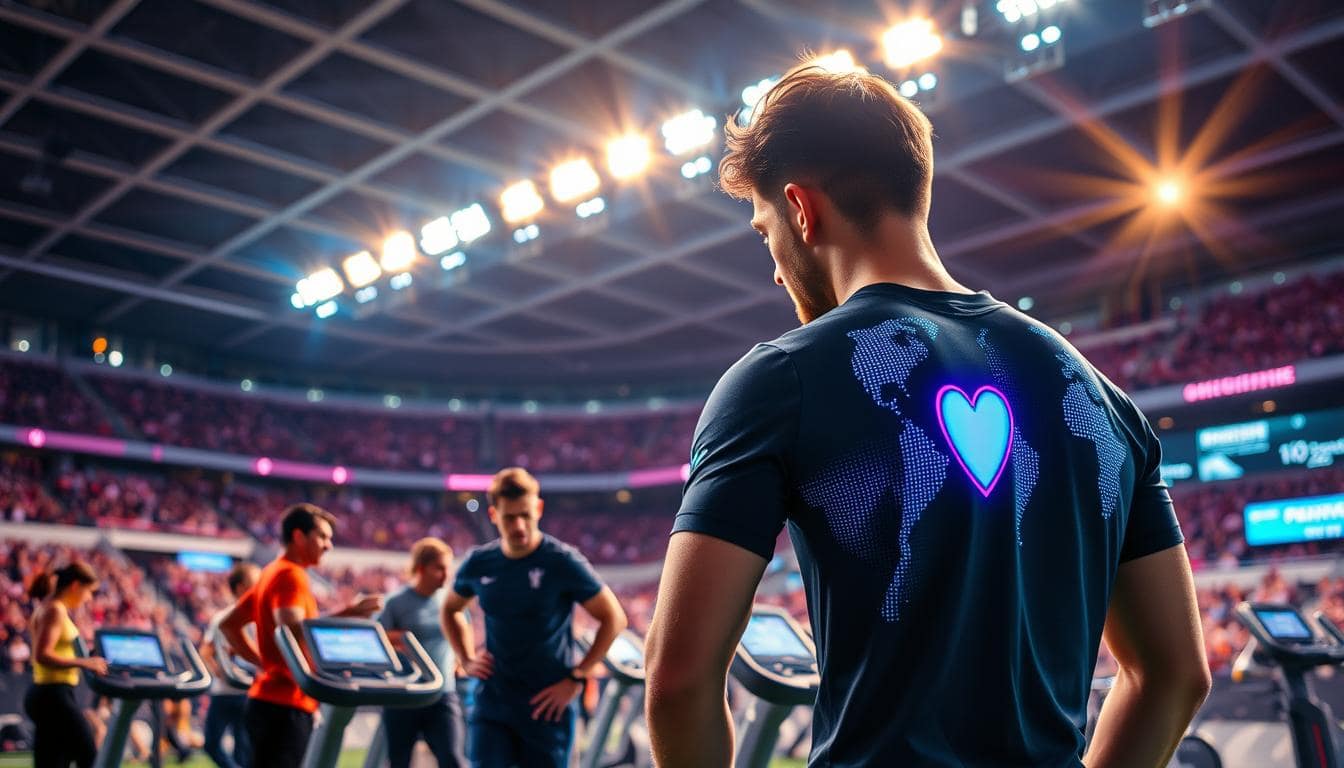
Your shoulder pads now text the training staff. Helmets whisper concussion warnings like overprotective guardians. Welcome to sports equipment customization’s quantum leap, where graphene lattices and IoT sensors turn gear into data-driven coaches. The $250 billion wearable tech market isn’t just growing – it’s rewriting playbooks from Little League to the NFL.
Take FORM’s augmented reality swim goggles, transforming laps into real-time analytics dashboards. Or Catapult Sports’ trackers, which tell coaches whether that rookie receiver’s 40-yard dash matches his Instagram hype. This isn’t sci-fi – it’s sports equipment materials science meeting Tony Stark-level engineering.
Modern protective helmets sports innovations use impact-absorbing foams smarter than your AirPods. They’re automotive airbag logic applied to linebackers. Firstbeat’s heart rate variability tech reveals more about an athlete’s readiness than their post-game interviews ever could.
Why should Zion Williamson’s custom sneakers – monitoring ground force impact while looking street-ready – have all the fun? Today’s connected gear blends performance analytics with swagger, proving biometric monitoring can be as subtle as your Fitbit and twice as revealing. The future of athletics isn’t just about breaking records – it’s about decoding them.
Smart Sports Gear: Bridging Athletes and Data with Wearable Technology
The old days of guessing ankle torque are gone. Today, sports helmets are like something out of a sci-fi movie. Riddell’s InSite system doesn’t just absorb impacts; it sends data to tablets fast. It’s not just padding; it’s like having a Wi-Fi shield for your head.
Smart Armor for the Digital Colosseum
Modern sports shoes now have tiny sensors where laces used to be. Nike’s Adapt BB shoes adjust themselves mid-game through an app. Under Armour’s HOVR Phantom 3 tracks foot patterns and even charges a smartwatch. Cleats used to just grip the ground.
The IoT Sports Ecosystem Emerges
Today, sports gear acts like a nervous system under your clothes. STATSports’ vests track over 1,200 data points per second. MLB’s bat sensors analyze swings with forensic precision. Even mouthguards now track impacts like tiny crash test dummies.
As wearable technology changes sports, we’re moving from reactive to predictive. WHOOP and Firstbeat use algorithms to prevent injuries. MLB teams use sensors to flag risky swings. By 2027, we’ll have 640 million wearables, changing sports forever.
Locker rooms of the future won’t smell like sweat. They’ll buzz with servers processing data. The result? A new era of sports, thanks to tech and data.