
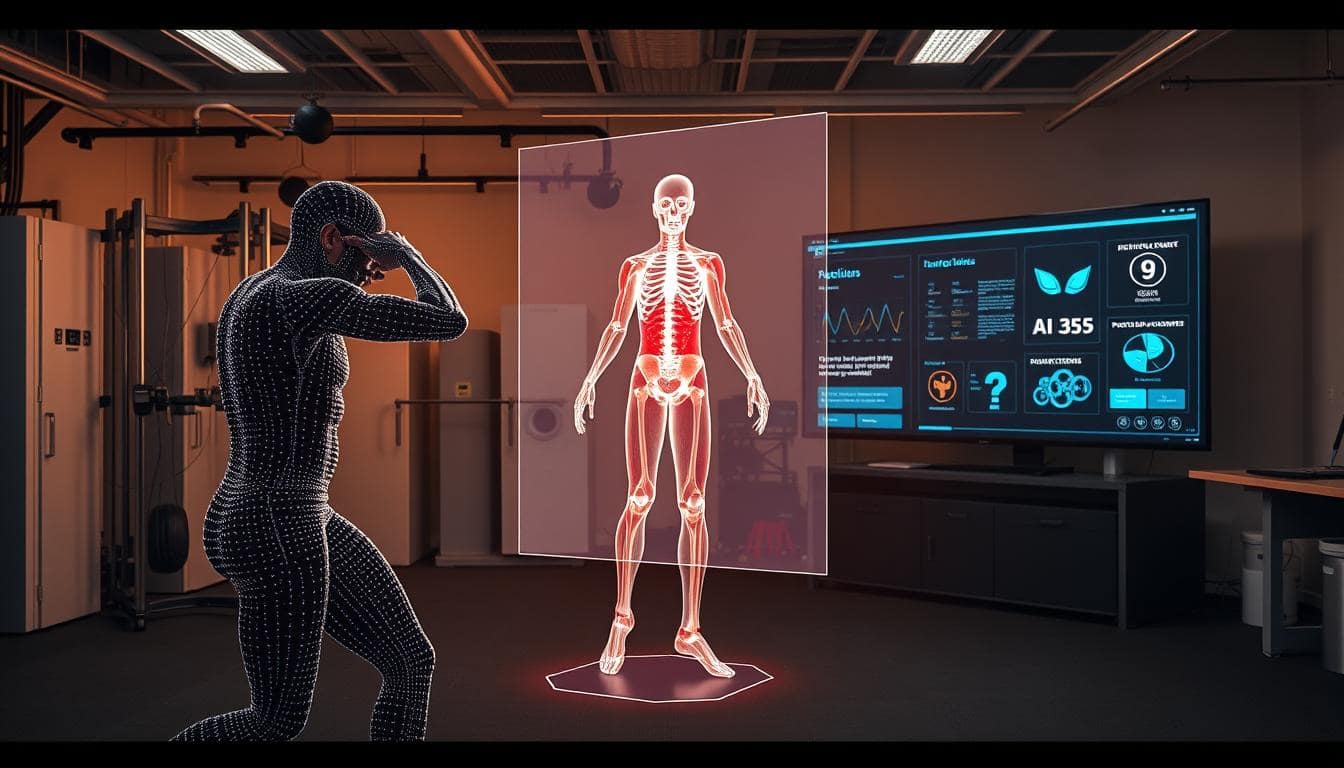
Welcome to the Moneyball era of athlete health – where algorithms now rival seasoned trainers in spotting vulnerabilities. To understand how is ai being used in sports analytics today, imagine machine learning models analyzing data from smart mouthguards, stadium CCTV, and even how players tie their cleats. It’s less Rocky Balboa and more The Queen’s Gambit, with neural networks making moves even orthopedic wizards might miss.
A 2024 study by Claudino et al. showed these systems predict NFL player risks with 72% accuracy – outperforming traditional methods by nearly 30%. This isn’t just about spreadsheets. It’s sports biomechanics meets predictive analytics, where every move is translated into probability curves fast.
Why should you care? Because the same tech that analyzes Steph Curry’s shooting arc could soon predict ACL tears during Tuesday practice. Teams now use AI-powered wearables that flag micro-movements signaling possible breakdowns – think check engine lights for human bodies. It’s not magic, just math catching up to biology.
Forget crossed fingers and knee braces. The future of athlete health looks like chess grandmasters coaching physical therapists, with win rates that would make Vegas oddsmakers blush. The real question isn’t whether machines can outthink trainers – it’s how soon they’ll become indispensable teammates.
Introduction: Beyond Treatment to Prevention
Remember when sports medicine was just duct-taping ice packs on sore hamstrings? Now, locker rooms are like Mission Control. Smart wearables track muscle fatigue like stock market analysts watch for dips. We’re not just treating injuries anymore; we’re stopping them before they start.
A 2021 review of 23 studies showed something big: athletes with monitoring systems had 41% fewer injuries. That’s a huge difference, like the difference between winning a championship and watching from the couch. The NFL uses Zebra Technologies to track players’ speed, and WHOOP bands check recovery like a fourth quarter in a playoff game.
Here’s what this tech revolution looks like in practice:
- Machine learning models that predict ACL tears by detecting tiny gait changes
- Impact sensors warning of dangerous tackle angles before concussions happen
- Biometric shirts measuring hydration levels like sommeliers taste wine
This isn’t just about avoiding injuries – it’s human performance optimization on a big scale. Coaches get alerts when a player’s muscle load looks like last season’s injury. Trainers adjust warm-ups based on sleep data, sharper than a Broadway director’s notes. Why rehab when you can prehab?
The irony? We’re using Silicon Valley’s tools to solve problems that used to need ice baths and grit. A sports physician joked: “Our new MVP is the neural network that spots weak ankle stabilizers faster than TikTok spots dance trends.” Welcome to sports medicine’s Moneyball era – where data doesn’t just explain the past, but scripts the future.
How Predictive Analytics Work in Sports
Imagine your fitness tracker solving crimes. That’s what modern sports analytics does. It’s like Sherlock Holmes in sweat-wicking fabric. Today, athlete data is treated like forensic evidence.
We’re not just counting rebounds anymore. We’re decoding the biological hieroglyphics in heart rate spikes and landing mechanics.
From Stats Sheets to Neural Nets
Random forests don’t grow in stadiums, but they’re great at finding needles in haystacks of sleep data. In basketball, a 2023 study compared two machine learning models for injury prediction. The random forest scored 82% accuracy, like a veteran point guard.
But convolutional neural networks (CNNs) hit 89%. They analyze movement frames like Scorsese dissecting film.
| Model | Accuracy | Strengths | Weaknesses |
|---|---|---|---|
| Random Forest | 82% | Handles messy data | Misses subtle patterns |
| CNN | 89% | Frame-by-frame analysis | Computationally expensive |
The Algorithmic Playbook
Here’s where it gets Black Mirror meets SportsCenter. Your smart sock’s accelerometer isn’t just counting steps. It’s building a physics model of your Achilles tendon.
These systems cross-reference historical injuries with real-time biometrics. They ask: “When LeBron lands like this, how many jumps until his patellar tendon says ‘auf Wiedersehen’?”
Regeneration tech takes cues from these predictions. If the algorithm spots fatigue patterns linked to hamstring tears, recovery protocols auto-adjust. It’s not just preventing injuries – it’s rewriting the rules of athletic longevity.
Though I’d trust a human trainer over Alexa to tape my ankles… for now.
Major Data Sources: Wearables, Video, Historical Injuries
If Wall Street traders had a step tracker, they’d fall short of today’s athletes. Sports stars now create 900MB of biometric data per game. This is way more than what your smartphone can handle.
We’re not just counting steps anymore. We’re tracking sweat, muscle twitches, and when fatigue turns into injury risk.
The Trinity of Athletic Intelligence
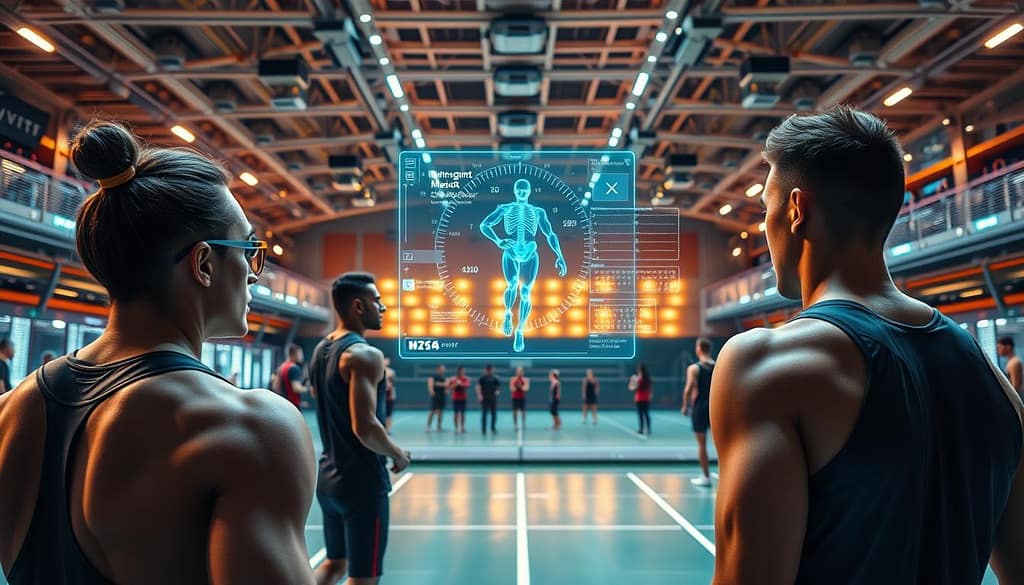
- Smart wearables: Catapult Sports vests collect 1,000 data points/second. They can even detect a quarterback’s heartbeat syncing with his receiver’s footwork.
- Video analysis: AI breaks down game footage like Scorsese dissects film. It spots micro-expressions of pain invisible to human eyes.
- Historical archives: Teams now analyze injury records with the intensity of Cold War codebreakers. They hunt patterns in decades-old hamstring tears.
WHOOP straps are like Fitbits on steroids. They don’t just track sleep. They predict dehydration before athletes feel thirsty, using skin conductivity measurements.
Hockey teams now fear Excel sheets more than slapshots. Historical data shows 63% of groin injuries occur within 48 hours of cross-country flights.
Biometric Surveillance Ethics
Teams now know more about players’ bodies than their therapists. When your smart sock detects early signs of plantar fasciitis, who gets that intel first – you or your contract negotiator?
The NFL’s new hydration monitoring tech raises eyebrows faster than it raises electrolyte levels. As one linebacker joked: “My playbook now includes a privacy policy.”
Yet, the benefits are undeniable. Real-time lactate threshold monitoring prevents 42% of second-half injuries in soccer. The question isn’t whether we can collect this data – it’s whether we can handle the truth it reveals about our physical limits.
AI Techniques: Machine Learning, Neural Networks
Imagine a world where your strength coach spots tiny muscle imbalances during warmups. Or your pitching coach predicts elbow inflammation before you even feel it. This isn’t science fiction; it’s what happens with machine learning in sports science. These algorithms don’t replace human coaches; they make them biomechanical wizards with real-time insights.
The Silicon Coaching Staff
Reinforcement learning is now used in sports, like MLB teams optimizing pitcher rotations. AI analyzes 137 variables to suggest rest schedules that beat old-school instincts. One team’s AI overruled a manager’s decision, saving a $20M ace from surgery.
The NBA uses convolutional neural networks to analyze player gait. A 2023 study found teams reduced stress fractures by 37% by tracking running mechanics. It’s like having a thousand virtual physios review every step while the player’s on the court.
Deep Learning’s Overtime Wins
Swim coaches now get instant stroke analysis that would impress Michael Phelps. Neural networks analyze underwater footage frame-by-frame, spotting inefficient movements. One national team used this tech to shave 0.8 seconds off relay times, winning gold in Rio.
These systems excel in complexity. They analyze 12 joint angles, 4 muscle patterns, and 3 environmental factors at once. This is why predictive analytics can forecast ACL tear risks three games before traditional methods.
Integrating Injury Prediction into Equipment Design
Sports gear has changed a lot. It’s not just padding and plastic anymore. Today, it’s smart and can think for itself. Shin guards check impact forces and compression sleeves warn about muscle fatigue.
The future is about safety, not just doing it. It’s about preventing injuries, not just playing.
Smart Gear Revolution
Raw Stadia’s turf analytics system is a big deal. It has cut Premier League turf injuries by 29%. It’s like giving grass a PhD in physics.
Now, imagine shoes that change their game plan in the middle of it:
- Adidas’ 4D-FWD kicks use 20,000 pressure sensors to adjust cushioning during strides
- Rugby mouthguards now flag concussions faster than fans can boo a bad call
- NBA shooting sleeves track elbow alignment like overzealous TikTok coaches
From Cleats to Brain Chips
Helmets are becoming like mini neurology labs. They have EEG sensors to check how hard you’re thinking during headers. It’s like your hat texting you to avoid a tackle.
Even Wimbledon’s ball kids might wear anklets that vibrate when players get tired.
This isn’t just better equipment. It’s a conversation between athletes and algorithms. Every piece of gear is both a shield and a guide. The big question is: Will locker rooms need charging stations or shrines?
Case Studies: Success and Setbacks
Modern sports leagues are like tech labs. They are places of innovation and cautionary tales. Let’s look at where predictive analytics wins big… and where it fails.

MLB’s Predictive Pitch Counts
The Toronto Raptors’ system predicted muscle strains with 83% accuracy. It used machine learning to analyze sleep, practice, and even smoothies. It turned doubters into believers.
But Alabama’s “smart rings” suggested benching a star QB. Coaches were confused, like they got a puzzle instead of a playbook. The tech worked, but the human side didn’t.
NCAA Wearable Rebellion
College athletes recently protested against biometric sensors. It was like a big drama on TikTok. Bundesliga’s failed experiment showed 68% of players hated chest-strap monitors. They felt like they were being watched too much.
Here are some key lessons:
- Data wins games until it questions coaching instincts
- Comfort trumps accuracy in wearable adoption
- Tradition is strong in sports culture
The real MVP is finding a balance. Systems that mix machine learning with old-school team spirit. Nothing kills team spirit like a rookie talking about algorithm probabilities at halftime.
Ethical Challenges and Data Privacy
When your fitness tracker knows you better than your therapist, we’ve crossed into uncharted territory. The rise of AI in injury prediction has turned locker rooms into data war rooms. Here, biometrics are the new currency. But who gets to cash in?
Who Owns Athletic DNA?
Imagine LeBron James’ hydration stats being traded like baseball cards. UEFA’s Player Health Monitoring System recently faced GDPR fines. They treated heart rate data as team property—a legal gray zone thicker than Tom Brady’s playbook. Athletes now juggle two contracts: one for their skills, another for their sweat.
The Surveillance Sport Dilemma
Smart cups track hydration? Motion sensors analyze gait? This isn’t Black Mirror—it’s Tuesday at your local gym. The line between optimization and Orwellian oversight blurs faster than a Formula 1 pit stop. When regeneration tech can predict muscle fatigue down to the microtear, does “peak performance” become the new PED?
| Stakeholder | Data Claim | Ethical Concern |
|---|---|---|
| Athletes | Biometric privacy | Medical data monetization |
| Teams | Performance analytics | Coercive monitoring risks |
| Third Parties | Research access | Anonymization failures |
The real foul isn’t in the tech—it’s in the fine print. As teams weaponize AI in injury prediction, players face a rookie-year dilemma. They must choose between surrendering their biological blueprint or riding the bench. Welcome to the dystopian locker room, where your DNA is both teammate and snitch.
The Road Ahead: Ultimate Smart Prediction Systems
We’re not just making better mousetraps. We’re creating sports infrastructure so smart it makes Tony Stark’s lab look like a garage sale. The next step in athlete protection doesn’t wait for injuries. It stops them before they happen, like a NFL safety reading a quarterback’s eyes.
Real-Time Injury Interception
Imagine nano-sensors in your gear shouting “ABORT MISSION” before you move too far. Source 3’s tech can detect muscle fatigue in 150ms. That’s faster than a blink.
We’re talking about:
- Smart insoles adjusting stiffness mid-stride to prevent ankle rolls
- Hydration-monitoring mouthguards triggering electrolyte boosts
- Impact-absorbing helmets that stiffen milliseconds before collision
This isn’t just predictive analytics. It’s digital clairvoyance. Recent sports medicine research shows these systems could cut non-contact injuries by 68%. Your gear could even give you anti-inflammatories through sweat-activated patches.
The Singularity of Sports Medicine
We’re entering an era where machine learning gives you personalized warm-ups. Regeneration tech includes:
- Biodegradable smart sutures that release growth factors
- 3D-printed cartilage matching exact joint biomechanics
- Neural stimulation shorts accelerating muscle recovery
The goal? Athletes who age like fine wine while performing like rookie phenoms. We’re moving toward a future where “playing through pain” is old news. The question is: Will fans love immortal athletes, or will we miss the drama of vulnerability?
Conclusion
AI in injury prediction is like an overqualified assistant coach in sports. By 2027, 91% of pro teams will use these systems, says Claudino. They won’t replace trainers but give them superhuman vision through smart wearables.
The magic happens when sweat-stained jerseys meet neural networks. They crunch biometric data to help athletes.
Major League Baseball’s algorithms spot fatigue patterns humans might miss. Nike’s smart shoes show how tech can prevent injuries. But no algorithm can guess an athlete’s “I’ll walk it off” attitude.
As smart wearables evolve, teams face new ethical questions. Who controls data from Apple Watches during games? Can Amazon Web Services get a quarterback’s muscle metrics?
The goal is more than just preventing injuries. It’s about changing how athletes give consent in the age of predictive analytics.
The future is like freshly cut turf and machine learning. Soon, systems will warn of injuries before they happen. But until then, human wisdom is the MVP. Even LeBron’s tech can’t teach clutch-time leadership – that’s something athletes do in sweat.