
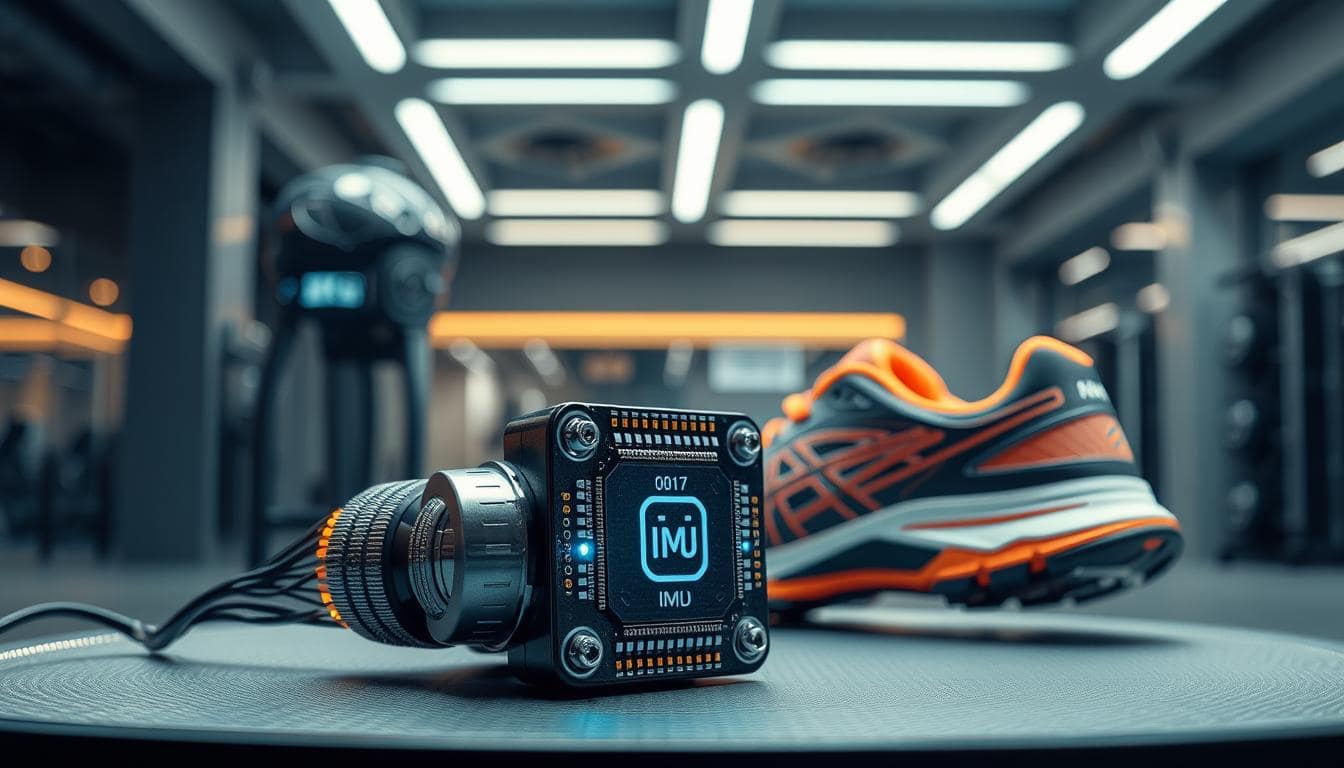
Welcome to the world of tech where devices track more than just your steps. We’ve moved from simple pedometers to systems that can analyze your running form and even your existential crisis.
Imagine the Avengers coming together in the world of measurement tech. Strain gauges work hard like your muscles during intense workouts. Electrical sensors read your body’s secret messages like a psychic.
The IMU technology is like an invisible choreographer, tracking every move. Optical devices peek at your blood flow, while chemical ones analyze your sweat like a sommelier tasting wine.
I’ve seen devices as thin as my last dating app match and ones that listen to your footsteps like overattentive parents. It’s not just about counting anymore. It’s about understanding the beauty of motion.
This landscape has turned into a symphony of body intelligence. These technologies don’t just measure; they understand what makes performance truly exceptional.
Mechanical (strain/force), electrical (ECG/EMG), optical (PPG), chemical (sweat)
Welcome to the sensor symphony – where every instrument plays a different physiological tune. Think of these sensing technologies as specialized reporters covering different beats of your body’s news cycle.
Mechanical sensors are the blue-collar workers of the bunch. They measure strain and force with the dedication of a personal trainer counting reps. Force Sensing Resistor technology transforms physical pressure into electrical signals, much like how your nerves translate touch into brain signals.
Electrical sensors read your body’s internal communications network. ECG captures your heart’s dramatic performance – each beat telling a story of stress, recovery, or that third cup of coffee. EMG listens to your muscles’ whispered conversations, decoding every flex and twitch with precision.
Optical sensors play a fascinating game of light and shadow. PPG technology uses photons to track blood flow through your vessels – it’s like having paparazzi following your red blood cells on their daily routes. These sensors detect subtle changes in light absorption that reveal your heart’s rhythm and blood oxygen levels.
Chemical sensors are the sophisticated sommeliers of physiological monitoring. They analyze your sweat with the precision of a wine connoisseur detecting subtle notes in a fine Bordeaux. These sensors can identify biomarkers that reveal everything from dehydration levels to stress responses.
The real magic happens when these sensors work together. Modern wearables combine multiple sensing technologies like a master chef blending ingredients. The result? A detailed picture of your physiological state that’s more revealing than a teenager’s browser history.
Each sensor type brings unique strengths to the table. Mechanical sensors offer rugged reliability. Electrical sensors provide direct biological insights. Optical sensors deliver non-invasive monitoring. Chemical sensors offer molecular-level intelligence.
Choosing the right sensor combination depends on what story you want to tell about the body’s complex narrative. It’s not just data collection – it’s physiological journalism at its finest.
Selection Matrix
Choosing the right technology isn’t just about looking at specs. It’s like finding the perfect dance partner. They need to match your rhythm and handle pressure well.
We’re creating a selection matrix that even the most detail-loving engineers will love. It’s not just about specs. It’s about finding the perfect balance between accuracy and practicality.
Sampling rate and battery life need to work together well. The cost should be reasonable. And how it performs in real life is key.
The matrix looks at everything, from how it handles stress to whether it can last through tough times. It’s not just about what it can do. It’s about how it will help you when it matters most.
Proper pressure mapping analysis helps you choose the right tools. You’re not just picking gadgets. You’re selecting partners for your biggest moments.
Accuracy, sampling rate, latency, SNR, temp & shock
Welcome to the engineering thunderdome where specs make champions or expensive paperweights. These metrics show if something works in real life.
Accuracy is about being right even when things go wrong. It’s like the difference between a politician’s promise and what really happens. Real-world conditions don’t care about your perfect setup.
Sampling rate is like watching a movie or a flipbook. If it’s too slow, you miss important moments. If it’s too fast, you just get noise.
Apple Watch checks temperature every 5 seconds during sleep tracking. Oura Ring does it once a minute. Both work, but for different reasons.
Latency is a silent killer. It’s the difference between getting feedback right away and just seeing what happened later. In sports, milliseconds are more important than speeches.
SNR (signal-to-noise ratio) helps you see real performance through the noise. It’s like trying to hear a whisper in a loud concert. Without good filtering, you’re just guessing.
Temperature and shock resistance make lab toys work in real life. I’ve seen sensors do great in controlled labs but fail in real conditions.
The best systems handle changes like seasoned diplomats. Sports don’t happen in labs, unless your lab is outdoors.
When checking force plates or any sports monitoring system, look at these key metrics:
- Accuracy: Mean error
- Sampling rate: 100-1000Hz depending on movement dynamics
- Latency:
- SNR: > 20dB for clean signal acquisition
- Temperature range: -10°C to 50°C operational capability
- Shock resistance: 50g+ impact survival rating
These specs make sure your data is useful. Bad data is worse than no data in sports monitoring. It’s like getting financial advice from a lottery winner.
The right mix of these metrics turns numbers into useful insights. It’s what makes equipment work when it really matters.
Integration in Gear
Ever tried fitting an orchestra into a phone booth? That’s what integrating tech into athletic equipment feels like. It’s engineering magic where technology disappears into the gear itself.
I’ve seen pressure points woven into insoles like technological tapestries. Strain gauges hidden in hockey sticks like secret strength tellers. The best integrations make you forget they’re there until that “aha!” insight moment.
This isn’t about slapping sensors onto equipment. It’s about creating symbiotic relationships where tech enhances, not hinders. Think Apple Watch subtlety meets Oura ring sophistication.
The real magic happens when UWB technology becomes as natural as your grip or your stride. It’s the difference between wearing technology and embodying it.
Mounting, materials, vibration isolation, connectors
Keeping sensors in place during intense activity is tough. It’s like trying to keep popcorn from popping. The right mounting solution is key to your success.
Mounting options range from strong adhesives to durable mechanical mounts. The choice depends on the activity and the athlete’s comfort.
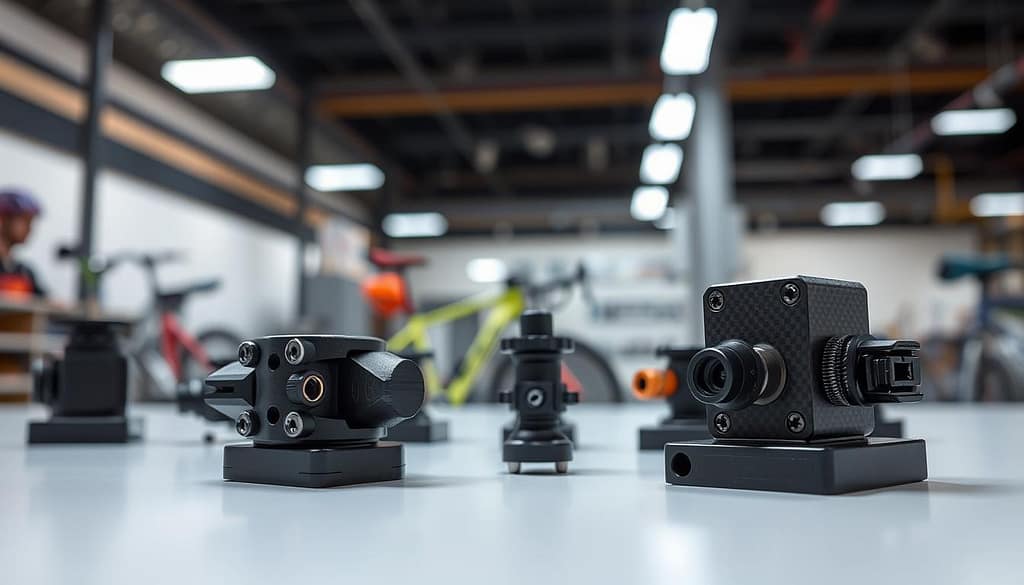
Choosing the right materials is a test of endurance. Sensors must withstand sweat, impact, and extreme temperatures. The right materials ensure reliable data.
Vibration isolation is critical for professional-grade systems. Without it, data can be as shaky as an earthquake. Good isolation keeps signals steady.
Connectors are vital for keeping everything connected during intense moments. They must handle moisture, movement, and stress while maintaining electrical connections.
| Mounting Type | Best Use Case | Durability Rating | Comfort Level |
|---|---|---|---|
| Medical Adhesive Patches | Short-term medical monitoring | Medium | High |
| Mechanical Clamps | Equipment sensors | High | N/A |
| Compression Integration | Apparel-based sensing | High | Medium |
| Direct Skin Mount | Clinical-grade monitoring | Low | Low |
Force-sensitive resistor (FSR) technology needs careful mounting. These sensors measure pressure but can be finicky. Proper mounting ensures accurate readings.
Haptic feedback integration adds complexity. These components need secure mounting and must be comfortable against the skin. The feedback mechanism should not interfere with the sensor’s function.
BLE connectivity simplifies wiring but introduces new challenges. Wireless modules need strategic placement for optimal signal strength. They must avoid interference from the body or equipment.
The best systems consider the entire ecosystem. They look at how sensors interact with the body, equipment, and environment. Good data is useless if your sensor falls off or gets damaged.
Signal Chain
Welcome to the Ivy League of data processing, where raw signals get their PhD in usefulness. This is where the magic happens. Chaotic analog noise transforms into meaningful digital intelligence.
Think of signal processing algorithms as the sophisticated bouncers at an exclusive club. They separate valuable data from background noise with great precision. Only the important signals get through.
Modern systems use machine learning models that analyze data with astonishing accuracy. They handle everything from temperature signals to audio-based biomechanics. The conversion from analog reality to digital truth happens here.
Time synchronization ensures everything plays nice together. Having mismatched data streams is like watching a movie where the subtitles don’t match the dialogue. The best signal chains deliver truth without distortion – like honest friends telling you what you need to hear.
Analog front ends, filtering, ADC, time sync
Think of your sensor system as a gourmet kitchen. The ingredients arrive fresh from the farm (your sensors). But they need proper preparation before becoming a Michelin-star meal. This is where your signal chain earns its keep—or ruins the entire dinner party.
The analog front end acts as your master chef’s station. It receives those delicate biological whispers and prepares them for the digital transformation. I’ve seen systems where the front end was more like a fast-food drive-thru—everything came out noisy and distorted. Proper amplification and conditioning here make the difference between clinical-grade data and digital noise pollution.
Filtering separates the wheat from the chaff with surgical precision. It’s the bouncer at an exclusive club, only letting the right frequencies through while rejecting unwanted noise. Biological signals, like ECG data, need this VIP treatment to be useful.
The ADC conversion represents the fundamental translation from the analog world to digital reality. It’s like converting a continuous symphony into sheet music—the quality of this translation determines whether you get Beethoven or bebop. Sampling rate selection here is critical; too low and you miss nuances, too high and you drown in unnecessary data.
Time synchronization might be the most overlooked hero in this entire process. When multiple sensors operate together, poor synchronization creates relationships between data points that would make a soap opera writer blush. Proper timing ensures your EMG and motion data actually reflect the same moment in time.
| Component | Critical Parameter | Biological Signal Impact | Common Pitfalls |
|---|---|---|---|
| Analog Front End | Input impedance | Signal integrity preservation | Impedance mismatch causing signal loss |
| Filtering | Cutoff frequency | Noise rejection vs signal preservation | Over-filtering removing valid signal components |
| ADC | Sampling rate & resolution | Digital representation accuracy | Aliasing from insufficient sampling rate |
| Time Sync | Clock accuracy | Multi-sensor correlation | Drift between sensor timestamps |
Temperature and audio signals present particular data processing challenges. Temperature data requires stable baseline handling. Audio signals need dynamic range management that would challenge any recording studio engineer.
The magic happens when these elements work in concert. A well-designed signal processing chain transforms raw sensor data into actionable intelligence. It’s the difference between having random numbers and having a story about what’s actually happening in the real world.
Algorithm development for signal processing completes this transformation. The best systems don’t just collect data—they extract meaning through sophisticated digital signal processing. This would make even the most seasoned data scientist nod in approval.
Power Budgeting
Welcome to the financial planning department of sweat biosensors. Here, your big dreams meet the harsh reality of battery limits.
You might dream of constant 100Hz sampling, but your battery has other plans. It’s all about making smart choices, like a skilled politician.
Duty cycling is like knowing when to work and when to rest. These systems sleep smart, not like college students during finals.
Energy harvesting is like finding money in your couch. Solar, thermal, kinetic, and biochemical sources can help your battery last longer.
The key to great power budgets is finding a balance. A sensor that works great for an hour but then stops is useless.
Duty cycling, energy harvesting, battery chemistries
The art of managing sensor power turns gadgets into silent, efficient systems. They work like ninjas, always ready without being noticed. It’s not just about saving battery; it’s about creating seamless experiences.
Duty cycling is like strategic napping for electronics. Temperature sensors might sample during sleep, while motion sensors wake up when needed. This smart approach helps systems learn when to work and when to rest.
Energy harvesting turns your environment into a power plant. Solar cells capture sunlight, and thermal gradients convert body heat into electricity. Even movement can generate power through piezoelectric materials.
The best solutions make energy management invisible. Athletes shouldn’t worry about charging or sensor failure during games. Clever approaches balance data collection with power conservation.
Battery chemistries evolve quickly. Lithium-ion is reliable, but solid-state batteries promise better safety and energy density. Each type has unique benefits for different sports and environments.
| Battery Type | Energy Density | Safety Profile | Best Use Case |
|---|---|---|---|
| Lithium-ion | High | Moderate | High-performance applications |
| Solid-state | Very High | Excellent | Safety-critical wearables |
| Thin-film | Medium | Excellent | Flexible sports gear |
| Silver-zinc | High | Good | High-drain devices |
Smart sampling strategies make a big difference. The latest research shows how temperature sensors can sample during sleep. This extends battery life and keeps monitoring accurate.
The future is about systems that harvest energy from body heat. These solutions eliminate charging worries. Athletes can focus on their performance without worrying about power.
Power optimization is not just technical; it’s psychological. When sensors work seamlessly, athletes trust the technology. This trust leads to better performance monitoring and more accurate data collection.
Firmware Considerations
Firmware is like the brain of your system. It turns raw data into useful information. This is thanks to advanced algorithms.

Firmware works behind the scenes, like a conductor. It handles data and temperature with great care. It’s like an air traffic controller.
It responds quickly to important events. This is thanks to interrupt routines. Buffering also manages data flow smoothly.
OTA updates make your system smarter over time. It evolves without you needing to do anything. This makes your device more than just static.
Firmware is strong and adaptable. It keeps your system running smoothly, even when things get unexpected. It turns electrical signals into real performance.
Interrupts, buffering, OTA updates
Firmware is like the nervous system of your sports tech. It must react fast and stay calm. This balance is key to its magic.
Interrupts are emergency exits for your system. They handle urgent events, like a heart rate spike, right away. It’s like having a VIP pass at a crowded concert.
Buffering is the opposite, acting as a waiting room for data. It prevents data loss during busy times. The best systems make this invisible to users.
Your system must handle sudden data bursts without stress. It needs to adapt quickly, like a coach calling an audible.
OTA updates are like remote brain upgrades for your system. They keep it current without physical access. It’s like tuning up your car while it’s parked.
Your system must stay alert 24/7, adapting to new needs and unexpected events. In sports tech, failure is not an option when the game is on.
| Interrupt Type | Response Time | Use Case | Priority Level |
|---|---|---|---|
| Non-Maskable | Immediate | Critical system failures | Highest |
| Hardware | Microseconds | Sensor data ready | High |
| Software | Milliseconds | Timer events | Medium |
| Processor | Nanoseconds | Math co-processor | Variable |
The best systems handle these complexities smoothly. Users don’t even notice the technical work happening. Your firmware should work like a seasoned point guard, making quick decisions that seem effortless.
When designed right, these systems adapt to new challenges, fix bugs remotely, and handle data surges without missing a beat. It’s the difference between technology that works and technology that wins championships.
Compliance
Welcome to the party nobody wants to attend but everyone must graduate from: regulatory compliance. It’s where brilliant ideas meet boring-but-necessary adult supervision.
ISO/IEC standards are like quality control. They prevent your system from accidentally harming users. EMC testing makes sure your device won’t mess with other electronics or get confused by environmental noise.
FCC and CE certifications are like passports for your technology. They let it travel across borders without customs issues. I’ve seen projects with amazing technical capabilities fail compliance testing like students failing open-book exams.
The most successful systems design compliance into their architecture from day one. Because what good is a revolutionary sensor if it can’t legally be sold or might interfere with medical devices?
This isn’t just about technical specs – it’s about legal frameworks too. As highlighted in this analysis of health data regulations, validation frameworks and accuracy requirements form the bedrock of market-ready technology.
Compliance isn’t sexy, but it’s what separates hobby projects from professional products that actually reach consumers.
ISO/IEC, EMC, FCC/CE
Welcome to the regulatory jungle. Here, paperwork is as thick as jungle vines. Compliance officers are the real kings of the concrete wilderness. These standards are not just red tape. They are the guardrails that keep innovation safe.
ISO/IEC standards are the universal language of quality and safety. They are like the traffic laws of technology. Without them, the information superhighway would be chaotic. They ensure your heart rate monitor in Tokyo works the same as one in Toledo.
EMC requirements prevent your sensor from becoming an electromagnetic bully or victim. Your fitness tracker shouldn’t start dancing when someone microwaves popcorn. It also shouldn’t interfere with critical systems. Nobody wants their smartwatch to ground aircraft.
The smartest teams make compliance part of their DNA from the start. They don’t treat it as an afterthought. It’s like building earthquake resistance into architecture.
FCC and CE certifications are your golden tickets to different markets. They are like the culinary hygiene ratings for technology. Without them, you’re just selling expensive paperweights.
Here’s what separates the pros from the amateurs:
- Designing for inherent compliance instead of retrofitting
- Documenting everything like you’re writing the next great novel
- Testing early and often – surprise inspections are only fun on reality TV
- Understanding that regulatory approval is what separates innovation from dangerous experimentation
I’ve seen teams spend more time on compliance documentation than actual product development. It’s both tragic and necessary. Like building a moat around your castle before the dragons arrive.
In the world of medical and sports technology, these standards are not suggestions. They are the difference between products that enhance lives and those that become courtroom evidence. Build compliant, build smart, and maybe keep a good lawyer on speed dial just in case.
Mini Case Studies
Welcome to the proving grounds where theory meets sweaty reality. This is where smart equipment earns its stripes.
I’ve seen bats that predict swings before the athlete does. Insoles that read pressure patterns like ancient palm readers. Even hockey sticks that feel puck impact like seasoned goalies.
The YETI system with its 16 pressure points isn’t just tech – it’s biomechanics research in action. These implementations face real-world chaos: impact, temperature extremes, and glorious human unpredictability.
The best case studies combine robust technology with deep understanding. They create solutions that actually help athletes perform better, not just generate pretty graphs.
Because ultimately, the value isn’t in the data itself – it’s in what competitors can do with it.
Smart bat, insole, hockey stick
Let’s talk about gear that’s smarter than your average coach. These aren’t just tools – they’re digital mentors that never sleep, never miss details, and never have off days.
The smart bat transforms from a simple piece of wood into a swing analyst. It understands timing, impact, and follow-through better than most human coaches. It’s like having Ted Williams’ ghost in your equipment bag, constantly whispering swing mechanics.
Then there’s the intelligent insole – it’s not just measuring pressure points. This thing understands gait patterns, weight distribution, and can predict fatigue before your brain even registers it. It’s like having a podiatrist and sports psychologist crammed into your shoes.
The hockey stick with embedded sensors feels the game in ways players can’t. It measures puck impact, stick flexion, and shooting technique with precision. It’s like having Wayne Gretzky’s hockey IQ built right into your twig.
These systems provide feedback that transforms athletes’ understanding of their own performance. They reveal subtleties that escape even slow-motion video analysis. The best implementations enhance, becoming natural extensions of the athlete’s senses.
| Equipment Type | Key Measurements | Performance Insights | Integration Challenge |
|---|---|---|---|
| Smart Bat | Swing speed, impact force, angle | Timing consistency, power transfer | Weight distribution, vibration dampening |
| Intelligent Insole | Pressure mapping, gait analysis | Weight distribution, fatigue prediction | Flexibility, moisture resistance |
| Smart Hockey Stick | Puck impact, flex profile, shot angle | Shot power accuracy, stick handling | Durability, wireless connectivity |
What makes these systems truly remarkable isn’t just their data collection. It’s their ability to translate physics into coaching. They’re not measuring tools; they’re digital partners that make every practice session more productive.
The magic happens when technology disappears into the equipment. When athletes forget they’re wearing sensors and just perform. That’s when you know you’ve created something special – when the tech serves the athlete instead of distracting them.
Your Sports Sensor Reality Check
Ready to create the next big sports sensor system? Let’s go over the real-world checklist before you start. Did you really check out all sensor types or just follow the latest trends? Mechanical, electrical, optical, and chemical sensors each have their own story to tell.
Does your power plan account for sweat, impact, and extreme temperatures? Lab tests are like playing Madden, not real football. Your system needs to handle lots of vibration and have a solid compliance plan.
The best sports tech projects mix new ideas with reliability. They think about mounting solutions that can handle real athletic moves. And they make sure firmware updates don’t mess with performance. They see implementation guidelines as essential, not just suggestions.
It’s time to move from ideas to tools that help athletes do better. Ready to make something that really counts? Stop just watching and start making a difference in sports.