

Angels player development became the central question after the Los Angeles Angels finished the 2026 MLB season at 62–100, the first 100-loss season in franchise history. On October 21, 2026, the club declined Kurt Suzuki’s 2027 option after his lone season as manager, and reporting also indicated that his full coaching staff was not expected to return in the same roles, according to The Washington Post. For a team … Read the rest
Category: Wearables and Analytics
Football Workload Analytics After 2027 Shift

Football Workload Analytics will matter more once the NCAA’s revised FBS calendar takes effect on Jan. 1, 2027, because the rule change moves player development away from one heavy preseason block and toward a wider annual model. The shift is not just a scheduling story. It changes how strength staffs, sports scientists, athletic trainers, position coaches, and equipment managers interpret training load, recovery, and readiness.
The official NCAA change allows … Read the rest
WNBA Postseason Seeding Analytics To Watch
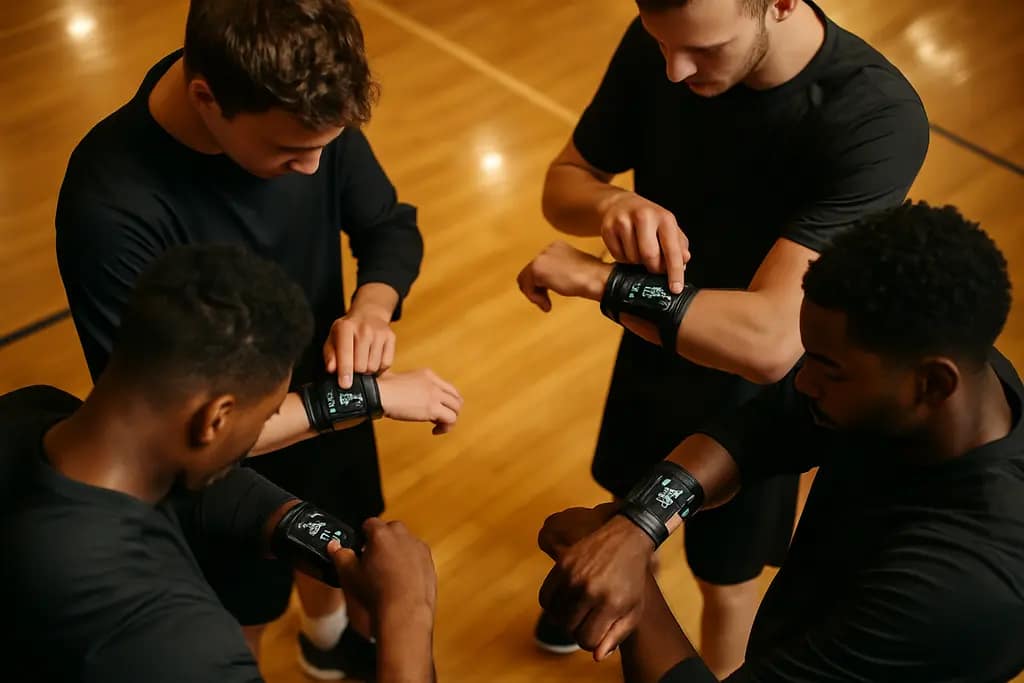
WNBA Postseason Seeding is not only a standings-table question on September 24, 2026. It is also a measurement question: which teams can keep spacing intact, manage player load, and make sound rotation calls while the final regular-season games decide home-court positioning and first-round matchups.
That does not mean a dashboard can replace coaching judgment. Late-season basketball still turns on shot quality, turnovers, rebounding, foul pressure, matchup choices, and player availability. … Read the rest
Youth Training Wearables in Player Development

Youth training wearables are moving from adult performance rooms into academy courts, football practice fields, and camp-style development environments. That shift deserves careful analysis. The devices can help coaches see workload, speed, intensity, and movement patterns that the eye can miss. They can also create costs, data risks, and sustainability questions if programs buy more hardware than they can use well.
As a performance analyst, I see the best use … Read the rest
Designing Sports Products for Reuse, Repair and Easy Disassembly

Imagine a world where sports gear doesn’t just fade away after its prime. Instead, it transforms and reinvents itself, much like a phoenix rising from the ashes. Welcome to the fascinating realm of product development that champions sustainability from the very start.
In our journey through this innovative landscape, we’ll explore how manufacturers are embracing the concept of creating products with a second life in mind. The beauty of this … Read the rest
Life Cycle Analysis of Sports Equipment A Practical Playbook for Engineers
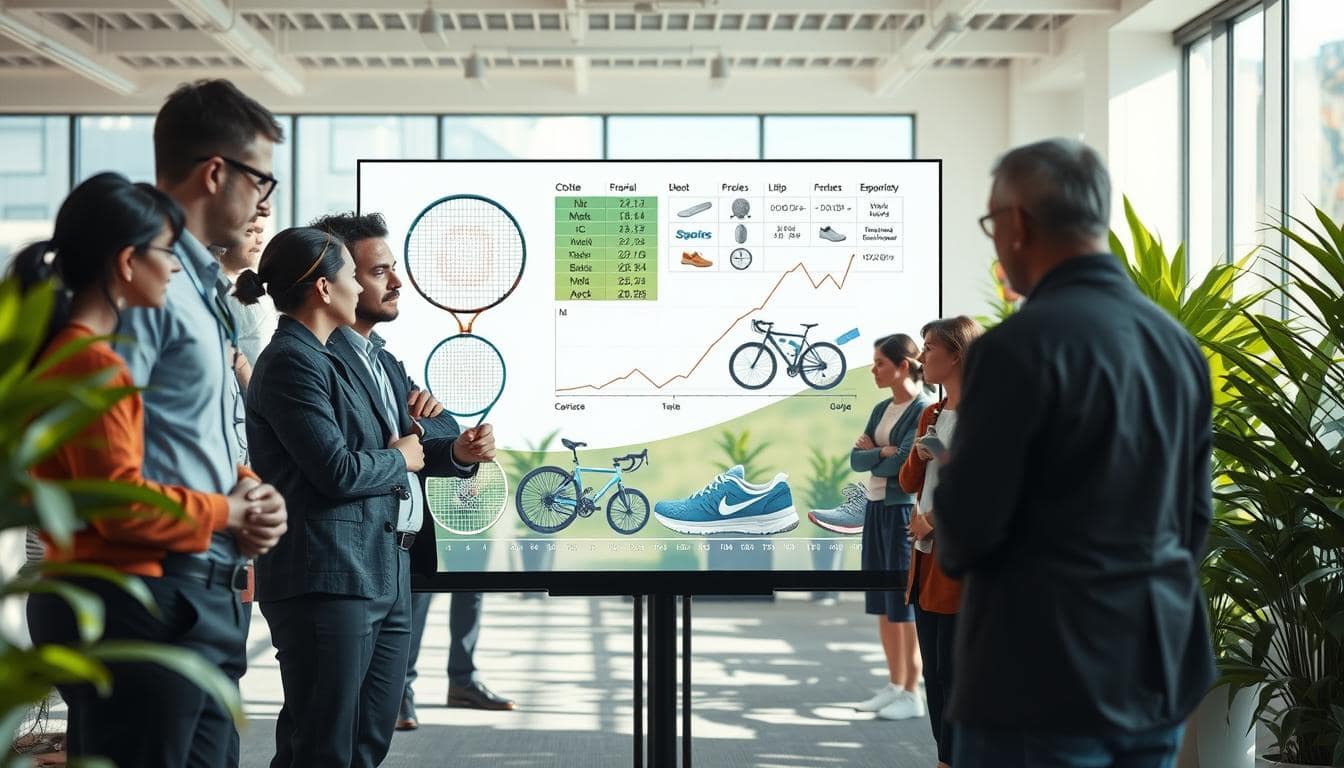
Starting a project without a clear goal is like trying to score a three-pointer with a bowling ball. In the world of LCA sports, setting clear boundaries is key. Are we looking at cradle-to-gate, stopping at the factory door, or cradle-to-grave, following the product to its end? This choice is very important.
Think about defining your functional unit. It could be “1,000 miles of running in a size 10 … Read the rest
Training Camp Wearables Track Player Growth
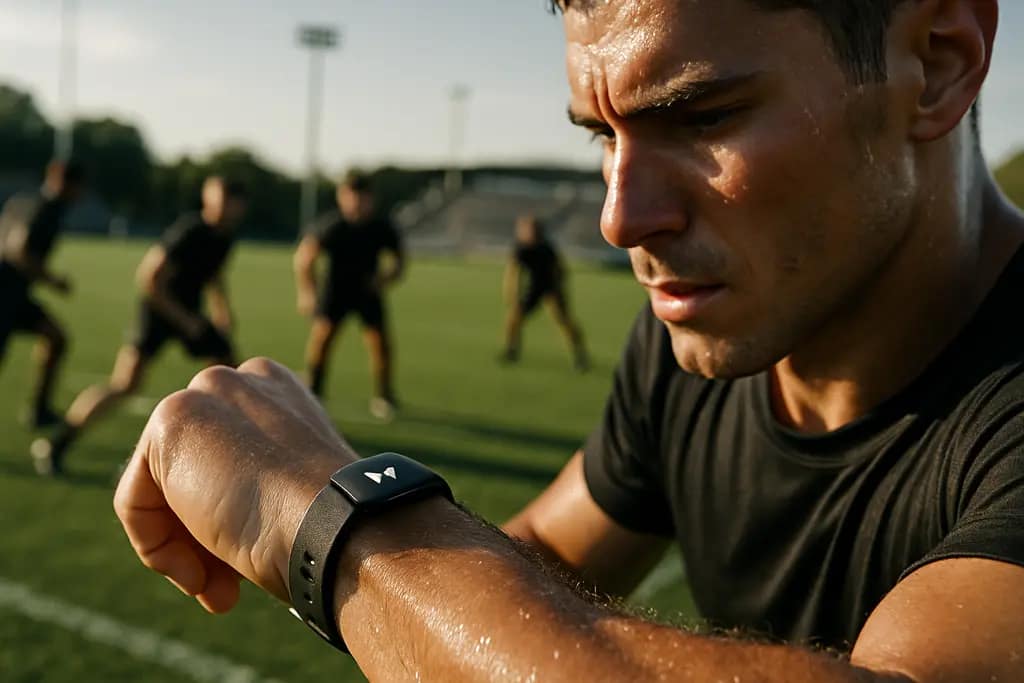
Training camp wearables moved closer to the center of player development in 2026, especially in football, where workload, speed, acceleration, and recovery signals are being read alongside film and coaching evaluation. The shift is useful, but it should not be treated as a perfect scouting lens. Data can sharpen questions about readiness and fatigue; it cannot replace position coaching, medical review, or context from practice design.
The strongest public evidence … Read the rest
How Sports Brands Build Successful Equipment Take-Back and Remanufacturing Programs

Most take back programs in sports are just fancy recycling bins. Brands boast about collecting old tennis rackets and deflated footballs. But what happens next? They shred these items, saying they care about the environment.
Is this really a strategy or just a PR stunt? A real take back remanufacturing effort asks tough questions. How many items are really saved from landfills? What profit do refurbished goods make?
Does the … Read the rest
Microplastics in Performance Clothing: Risks, Research and Better Material Choicess

Ever notice how your favorite athletic wear sheds more than just sweat? Microfibre shedding is a silent crisis in your laundry basket. Fast fashion is a major culprit, releasing a lot of plastic fibers into our waterways. Just one load of polyester clothing can unleash up to 700,000 microfibers!
These synthetic fibers make up 35% of ocean microplastics. It’s almost poetic, isn’t it? We’re living in an era called the … Read the rest
The Rise of Recycled Filament Technology in Sports Product Design
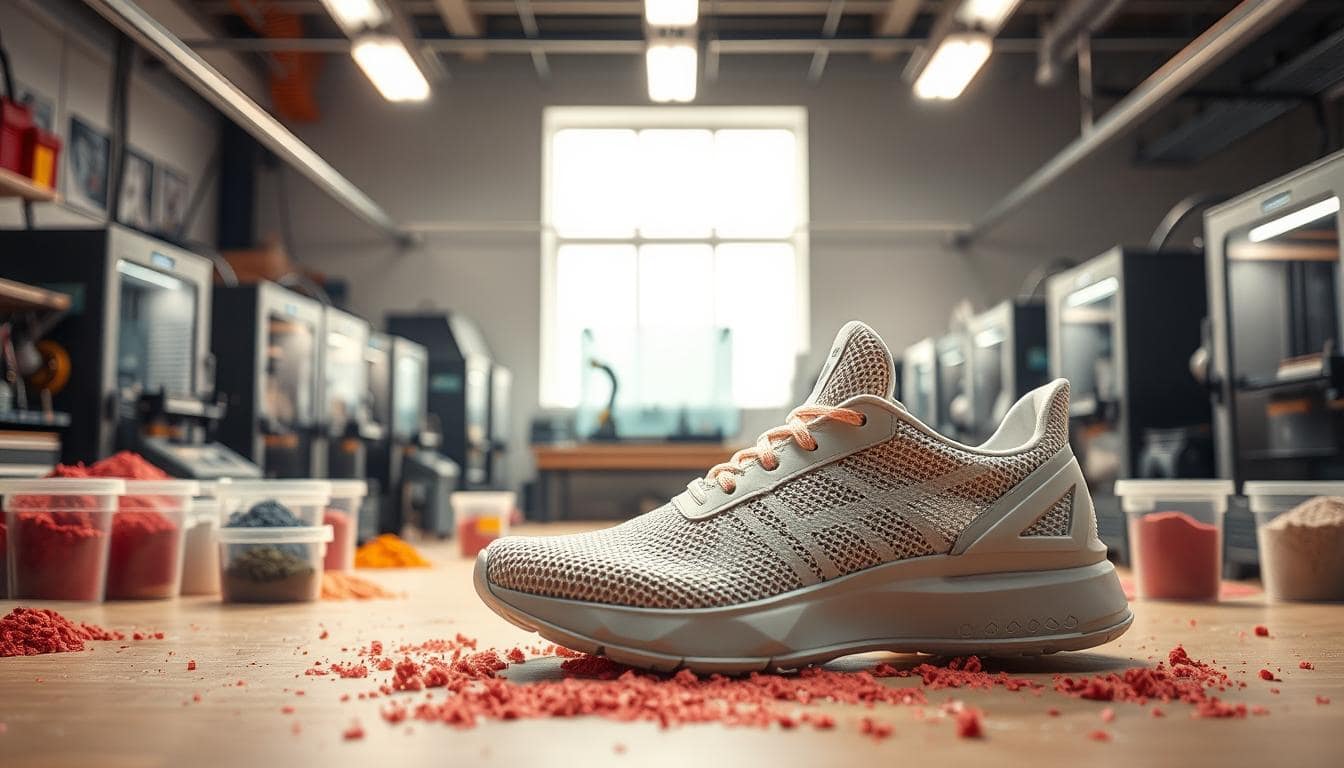
Choosing the right tech for sports gear is like picking a team for a heist. Each member must have a special skill. For example, SLS with recycled PA12 is tough for bike parts that face rough roads.
MJF with TPU is great for insoles that need to bounce back quickly. FDM, using rPETG or rPLA, is good for making prototypes of cleat plates before making more.
SLA is all … Read the rest