
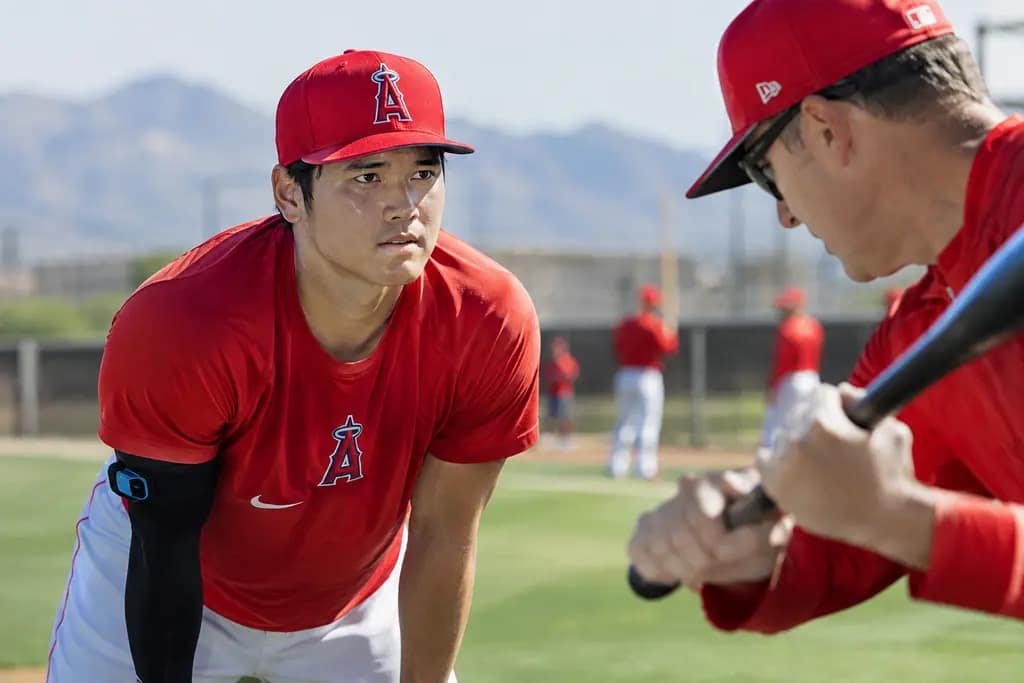
Angels player development became the central question after the Los Angeles Angels finished the 2026 MLB season at 62–100, the first 100-loss season in franchise history. On October 21, 2026, the club declined Kurt Suzuki’s 2027 option after his lone season as manager, and reporting also indicated that his full coaching staff was not expected to return in the same roles, according to The Washington Post. For a team trying to rebuild without short-term fixes, the firings were not only about losses. They raised a sharper issue: whether the organization can connect coaching, analytics, workload monitoring, and sustainable technology use into one development model.
Why Angels player development Changed After 100 Losses
A Managerial Reset, Not A Single-Cause Fix
Suzuki’s dismissal should not be read as proof that one first-year manager caused a 100-loss season. The Angels’ problems were wider than the manager’s office. The research record for 2026 points to front-office concern over how technology and data were being used, especially around pitching. On August 11, 2026, interim GM John Mozeliak fired pitching coach Mike Maddux and two assistants, with frustration tied to the staff’s use of technology and data. Tim Leveque, previously the Double-A pitching coach, was promoted to the major league staff that same day.
That sequence matters because baseball development is now heavily dependent on translation. A club can own cameras, pitch-tracking systems, wearable workload tools, strength data, and scouting models, yet still fail if coaches cannot turn those inputs into clear daily instruction. The practical question for Angels player development is whether the next staff can make data useful without burying players in numbers or creating a split between the major league dugout and the minor league system.
That is also where sustainability enters the sports discussion. A development rebuild can burn through staff, devices, software contracts, and travel without improving outcomes. A more sustainable approach is not just greener purchasing. It means fewer abandoned pilot programs, longer equipment life cycles, better staff education, and clearer standards for why a tool is used. In performance departments, waste often starts with unclear purpose.
Analytics, Wearables, And Coaching Accountability
Angels player development And The 2027 Staff Test
Angels player development now depends on a staff that can bridge baseball experience and applied analytics. The issue is not whether coaches “believe in data.” That framing is too simple. The better test is whether a pitching coach, hitting coach, performance coach, and minor league coordinator can agree on the same athlete-management language. If a pitcher’s workload markers, bullpen feedback, and game execution notes all point in different directions, the player gets noise rather than guidance.
The 2026 pitching-staff changes also suggest accountability for implementation, not just results. Public reporting from the season did not identify the exact systems that were underused. That leaves uncertainty about whether the concern involved wearable sensors, pitch-design tools, video, biomechanical data, or internal reporting workflows. Still, the principle is clear enough: technology has little value if the staff cannot connect it to training plans, recovery conversations, and in-game decisions.
This is where baseball must be careful with athlete safety claims. Wearables can support workload monitoring, but they do not guarantee injury prevention. They can show trends in exertion, sleep, movement, or fatigue only when collected and interpreted in a consistent way. Coaches still need context: role, travel load, mechanics, prior workload, and player feedback. A cautious system treats wearable data as one input, not as an automatic answer.
For readers comparing baseball with broader sports technology adoption, our earlier analysis of training camp wearables covered the same tension: measurement can help development, but privacy, workload interpretation, and device turnover need firm rules.
Player Development Staff And System Fit
The Minor League Structure Was Already In Place
The Angels entered 2026 with a listed player-development structure that included promoted minor league managers, hitting and pitching coordinators, performance coaches, and minor league strength, conditioning, and medical staff, as shown in the club’s February 11, 2026 player development staff announcement. That matters because the 100-loss major league result did not happen in isolation from the farm system. The organization already had people assigned to development roles; the next question is whether those roles had enough alignment, authority, and feedback loops.
Mozeliak’s later front-office reshape, based on the research record, emphasized rebuilding the development infrastructure. The stated direction included shifting draft strategy toward the best available prospects rather than players viewed as closest to the majors, hiring a separate minor league director, and creating leadership roles in research and development. Those moves point toward a longer time horizon. They also suggest that the Angels saw the issue as structural rather than cosmetic.
Promoting Leveque from Double-A to the major league staff fit that idea. Internal promotion can reduce the learning gap between the farm system and the MLB roster if the coach brings shared language from the minors. It can also expose whether the organization’s lower-level development methods hold up against major league pressure. Neither result should be assumed. The value comes only if internal coaches are supported by clear data standards and by veteran staff who can help them communicate with established players.
Sustainable Technology Choices In A Baseball Rebuild

Less Device Churn, More Useful Feedback
A sports sustainability lens is useful here because technology-heavy rebuilds can create hidden waste. Baseball operations departments may adopt new hardware, data dashboards, training equipment, and software systems faster than staffs can evaluate them. The Angels’ 2026 experience is a reminder that buying tools and using tools are different tasks. If a device cannot inform a coach’s daily decision, it risks becoming electronic clutter.
For Angels player development, the sustainable path would be to set a smaller number of clear use cases. For pitchers, that could mean defined checkpoints around workload, bullpen intent, pitch characteristics, and recovery status. For hitters, it could mean connecting swing feedback to a specific adjustment plan rather than giving players a flood of isolated metrics. The public record does not confirm which tools the Angels used in 2026, so any evaluation must stay at the system level. The evidence supports a concern about technology integration, not a claim that any named device or vendor failed.
Environmental responsibility should also be part of the discussion, even if MLB clubs rarely disclose full equipment footprints. Teams using wearables and performance hardware should ask basic procurement questions: how long devices last, whether batteries can be serviced, how data privacy is handled, and what happens to retired units. A rebuild based on constant replacement can be expensive, distracting, and environmentally poor. A rebuild based on durable systems, staff training, and repeatable workflows has a better chance to serve athletes and reduce waste.
For background reference across connected sports topics, the same network’s resource, WikiApp, is available to help readers place team, league, and terminology questions in context without turning a coaching analysis into a glossary.
What The Angels Reset Means For 2027 Development
Three Benchmarks To Watch Inside The Organization
The Angels’ coaching reset after October 21, 2026 should be judged by process as much as by the next win total. A 100-loss team needs better major league performance, but a rushed response can repeat the same cycle. The more meaningful test is whether the organization builds an integrated development chain from rookie ball to Anaheim.
- Coaching continuity: The new staff needs shared terminology between the major league club and the minor leagues, especially for pitchers moving between levels.
- Data translation: Analytics staff, coordinators, and coaches should define which metrics matter for each role instead of asking players to interpret every number.
- Technology discipline: Wearables and tracking systems should be evaluated for athlete benefit, privacy, cost, device life, and staff usability before more tools are added.
The firings of Maddux, the assistants, and Suzuki showed that the organization was willing to assign responsibility after a historic low point. The harder task is building a development system that does not depend on another midseason shakeup. If Angels player development is going to improve after the 62–100 season, the club will need coaches who can teach, analysts who can prioritize, and a technology plan that supports player safety without creating needless waste.