
WNBA Postseason Seeding is not only a standings-table question on September 24, 2026. It is also a measurement question: which teams can keep spacing intact, manage player load, and make sound rotation calls while the final regular-season games decide home-court positioning and first-round matchups.
That does not mean a dashboard can replace coaching judgment. Late-season basketball still turns on shot quality, turnovers, rebounding, foul pressure, matchup choices, and player availability. The difference in 2026 is that teams can assess those areas with far more context than a box score gives them. Optical tracking, emerging advanced metrics, and internal load monitoring can help staff separate a cold shooting night from poor process, or normal fatigue from a workload pattern that deserves attention.
The sustainability angle here is athlete-centered. A sustainable playoff push asks players to perform under pressure without piling up avoidable stress. The best seeding strategy is not always to chase every regular-season minute with the same intensity. It is to understand which minutes matter, which lineups are holding shape, and where rest protects both performance and safety.
Why WNBA Postseason Seeding Is A Tracking Question
The WNBA’s tracking base changed materially when the league and Genius Sports brought optical tracking to every arena beginning with the 2024 regular season. The system captures 3D player pose and ball tracking, with derived measures such as shot quality, play-type efficiency, paint touches, maximum speed, and total distance covered, according to NBA Communications. For final-week analysis, that matters because standings pressure can hide process. A team can win a close game while giving up clean looks, or lose while creating good attempts that simply miss.
WNBA Postseason Seeding And Off-Ball Gravity
One metric identified in 2026 research notes is Gravity, an off-ball measure tied to defensive attention before a player receives the ball. The concept is useful because late-season defenses often tilt toward stars before the pass is made. If a high-usage guard draws two defenders early, the value may appear in a teammate’s open corner three rather than in the guard’s own points column.
For WNBA Postseason Seeding analysis, that changes how we read clutch possessions. A player who does not take the shot may still create it. If a contender’s spacing depends on one player’s off-ball pull, staff may need to protect that player’s legs even on nights when her scoring line looks modest. The risk is overinterpreting a single metric. Gravity should be read with lineup film, opponent scheme, and possession context.
Shot Quality Over Shot Making
Shot Difficulty, another advanced metric flagged for the 2026 cycle, aims to describe how hard a field goal attempt is by considering factors such as defender proximity, contest, and distance. That is directly relevant to seeding races because late-game shot making often receives too much credit or blame. A team that repeatedly generates difficult attempts late may have a half-court problem even if two of those shots fall. A team that creates clean looks and misses may need patience rather than a full rotation reset.
This is where analytics can protect against panic. Coaches and front offices should still weigh the score, opponent, and possession type, but tracking can identify whether late possessions are sustainable. A postseason seed earned through low-quality shot making may be less stable than one supported by repeatable spacing and paint pressure.
Workload, Rest, And Sustainable Performance
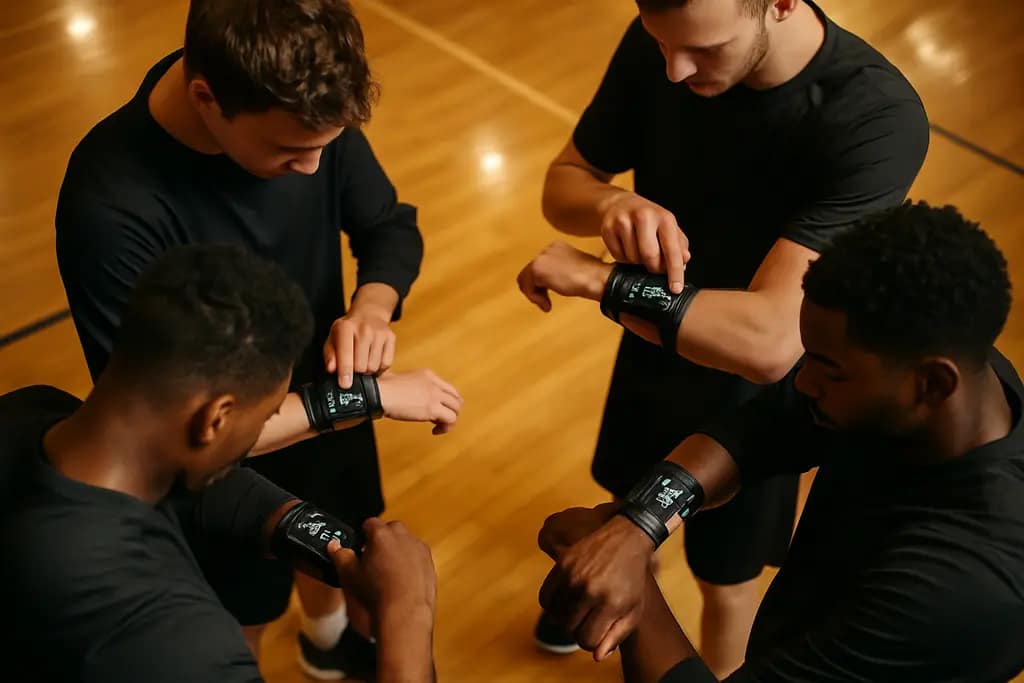
Player load is the least visible part of a seeding push for the public. Teams do not always disclose wearable data, and they should not be expected to publish sensitive health information. Still, the principle is clear: movement data can inform practice length, substitution timing, and rest choices. NBA.com has described how tracking technology helps teams decide when to practice, rest, or substitute players, based on workload signals and performance patterns NBA.com.
The Rest Decision Is Competitive
In the final regular-season window after September 24, 2026, the hardest decisions are not always about tactics. They are about tolerance for risk. If a team can move up a seed by extending starters, the short-term incentive is clear. If that same move increases fatigue before a first-round series, the cost may appear only later.
Sustainable athlete performance means managing the trade-off openly inside the basketball operation. Total distance, maximum speed, repeated accelerations, and late-game movement quality can help staff spot when a player is working harder to produce the same action. That does not prove injury risk by itself, and it should not be used as a public diagnosis. It can, however, prompt a staff to shorten a practice, alter a matchup assignment, or stagger minutes more carefully.
Safety Data Needs Limits
There is a privacy boundary that sports analytics must respect. Wearables and movement tracking can support safety, but they also generate sensitive information about bodies at work. The responsible use case is internal decision support: reducing avoidable overload, identifying fatigue trends, and aligning practice with game demands. The weaker use case is treating hidden health signals as public content or as a reason to speculate about availability.
That caution is especially relevant in the WNBA, where postseason attention can magnify every substitution. If a starter sits for a longer stretch, the reason may be tactical, medical, workload-related, or simply matchup-based. Without official confirmation, analysts should avoid turning a rotation pattern into an injury claim.
Team Context Beyond The Box Score

Tracking data works best when paired with older basketball measures. Four Factors analysis still gives a sturdy frame: effective field-goal percentage, turnover rate, offensive rebounding rate, and free-throw rate. A team that wins the tracking story but loses the turnover battle may not be stable enough for a higher seed. A team that controls the glass and avoids fouls may survive a poor shooting night.
Four Factors Still Set The Floor
The final weeks can tempt analysts to chase every new number. That is a mistake. WNBA tracking data can show how a team created a look, but the Four Factors explain whether the possession economy is sound. In seeding games, every empty trip carries extra weight because opponents are often tightening rotations and reducing experimental lineups.
For example, paint touches are useful only if they lead to efficient shots, free throws, or kickouts without turnovers. Maximum speed matters only if it reflects useful transition pressure rather than wasted recovery runs. Shot quality must be considered beside offensive rebounding, because a missed good shot can still become a valuable possession if the weak-side crash is timed well.
Home Court Is A Resource
Home court is usually discussed as crowd energy and travel comfort, but it is also a workload resource. Fewer travel stresses before a first-round game can support practice planning and recovery. The public standings race may focus on seed numbers, yet the staff view is broader: which seed creates the best preparation window, the soundest matchup, and the least unnecessary strain?
Indiana’s late push has drawn close attention because of seeding and home-court stakes; for a fan-pressure angle around that race, Cadcamnet’s related piece on the Fever playoff push pairs well with the workload discussion here. The same logic applies across teams. Fan pressure can be real without being the right guide for minute allocation.
Sports analytics is not confined to basketball. If you are curious about how different sports measure stress and decision-making, you might find the baseball-focused insights at Books on Baseball particularly useful, as it explores the nuances of process data versus outcome data in sports.
WNBA Postseason Seeding Signals To Treat Carefully
WNBA Postseason Seeding debates in the final regular-season games should separate strong signals from noisy ones. A single hot shooting night can swing perception. A single blowout can distort net rating if one team empties the bench earlier than the other. A player’s lower scoring output can be a concern, or it can mean opponents are sending extra attention and creating open chances elsewhere.
What Analysts Should Track From September 24 To October 1
The most useful approach is to combine public standings context with process indicators. The following watch points are defensible without pretending that any one metric can forecast the bracket by itself:
- Shot quality late in games: Are teams creating clean attempts, or relying on contested late-clock shots?
- Off-ball attention: Are star players bending defenses before the catch, and are teammates converting the advantage?
- Turnover pressure: Are rushed possessions rising as seeding stakes increase?
- Minute concentration: Are starters carrying heavier loads, and does movement quality appear to fade late?
- Paint access: Are teams reaching the lane often enough to create fouls, kickouts, and offensive rebound chances?
The safest read is layered. WNBA Postseason Seeding will be shaped by wins and losses first, but the why behind those results matters for postseason readiness. Teams that protect player workload while sustaining shot quality are better positioned than teams that chase standings points with fragile process. Analytics cannot remove uncertainty from the final week. It can make the uncertainty more visible, which is valuable when every possession and every recovery day carries weight.