
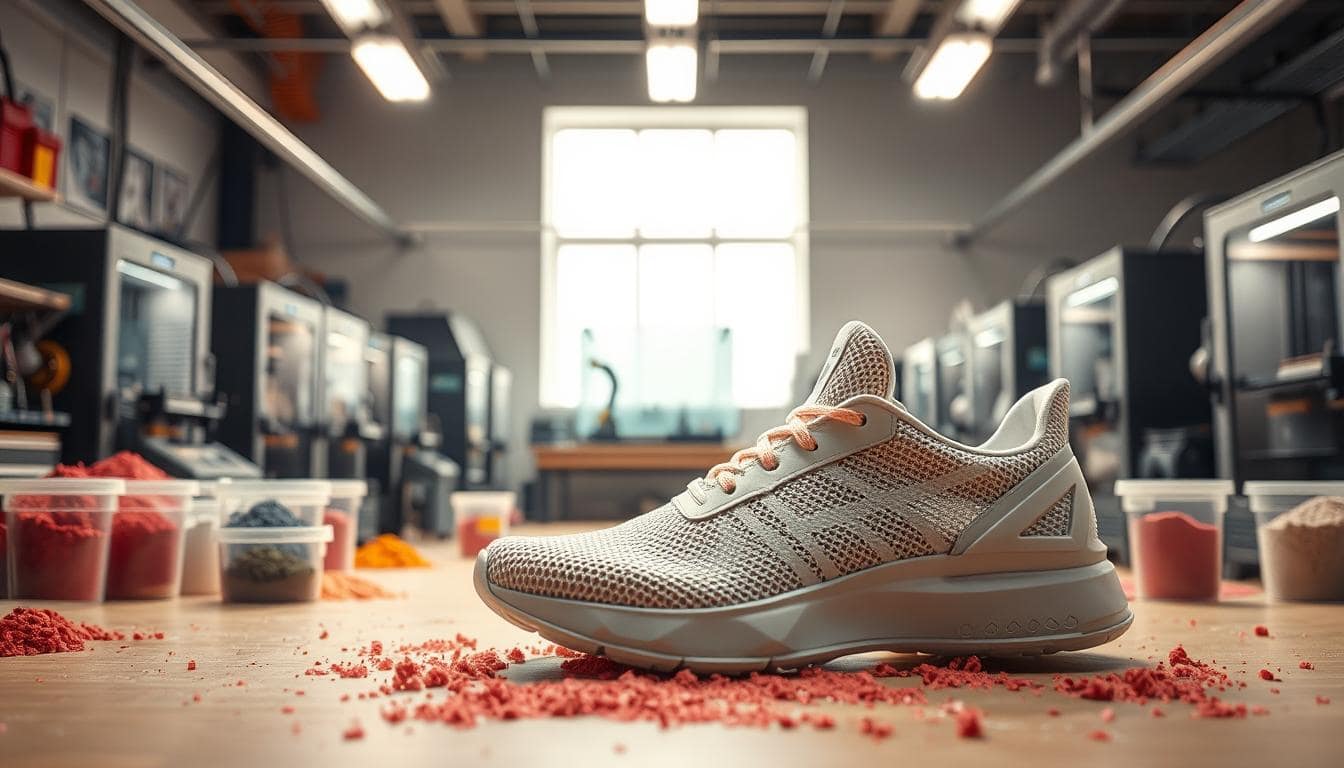
Choosing the right tech for sports gear is like picking a team for a heist. Each member must have a special skill. For example, SLS with recycled PA12 is tough for bike parts that face rough roads.
MJF with TPU is great for insoles that need to bounce back quickly. FDM, using rPETG or rPLA, is good for making prototypes of cleat plates before making more.
SLA is all about details, making sure custom mouthguard molds are smooth. But, these recycled materials have their own challenges. It’s like giving plastic a second chance, like in a Tarantino movie.
Recycled feedstocks availability quality control and blending strategies
Recycled materials in additive manufacturing offer both chances and challenges. When we explore recycled PA12 SLS, we see it’s not just about mixing used powder. It’s about precision and skill.
Virgin polymer is like a trust-fund kid, while recycled feedstock is like a street-smart hustler. After being exposed to heat, recycled PA12’s properties can change. It might look like a “melted snowman” instead of perfect spheres. This affects how it flows and settles, making blending very important.
A mix of 70% virgin and 30% recycled powder often works well. But, you must be careful with sieving and controlling humidity. Quality control is key, not just a suggestion. Testing melt flow index and moisture content is vital, as is ensuring batch consistency. Remember, recycled doesn’t mean identical.
The rise of rPETG and rPLA filaments in FDM is exciting but unpredictable. One spool might print well, while another clogs your nozzle. These materials need strict quality checks.
To get the best results, blending strategies are essential. Mixing in some virgin material can help with shrinkage. Adding a compatibilizer can prevent layers from separating. It’s a delicate balance, but when done right, it’s like magic with numbers.
| Material Type | Application | Quality Control Measures | Blending Strategy |
|---|---|---|---|
| Recycled PA12 | SLS | Melt flow index, moisture content | 70% virgin, 30% recycled |
| rPETG | FDM | Print consistency, clogging tests | Mix with virgin PETG |
| rPLA | FDM | Color consistency, tensile strength | Add compatibilizers |
Design for AM lattices topology optimization and energy absorption tuning
The future of sports prototyping is all about topology optimization and lattice structures. Imagine making gear that’s lighter and better at what it does. Nature has been doing this for ages, like the shock-absorbing woodpecker’s skull or the complex bone designs.
We’re using these ideas to make products like shin guards that are both light and strong. Designers use topology optimization software to create structures that look like they’re from another world. They make sure every bit of material is needed.
Adding lattice structures to the mix lets us fine-tune how well products absorb energy. Want a bike saddle that’s soft in the right places but firm in others? That’s not just comfort; it’s a smart design choice.
But there’s a catch. Recycled materials can be tricky to work with because they’re not all the same. Your designs need to adjust for these differences. I’ve seen helmet liners with different lattice densities in different areas, based on real data. It’s a bit morbid, but it’s effective.
Designing for 3D printing with recycled materials is about making parts that are smarter and more efficient. And yes, they can also be better for the planet.
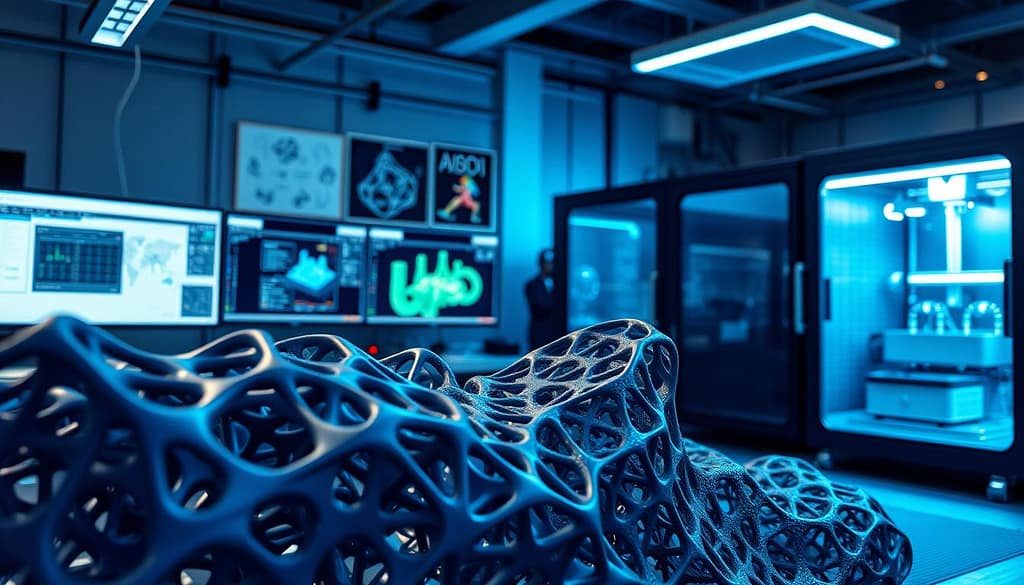
Print parameter windows temperature speed layer height and porosity mapping
Finding the perfect print parameters is like trying to catch smoke with your hands. You need to balance temperature, speed, layer height, and porosity for the best results. This is even more important when using recycled materials.
Temperature is key. If it’s too high, the filament can become brittle. If it’s too low, layers won’t stick well. Finding the right temperature is critical for a good prototype.
Speed is also important. Printing too fast can lead to a spongy texture. This might save weight but hurts strength. You want your cleats to be strong, not like marshmallows.
Layer height affects the print’s look. A thicker layer can hide flaws but looks obvious. A thinner layer, like 0.1mm, can look almost molded, but it takes patience.
Understanding porosity is an art. Some combinations might look good but not be strong. For example, a mix that’s good for taste might not be for impact. Recycled materials remember their past, affecting how they print.
Adjusting print parameters is like negotiating with the material’s past. Each change affects the product’s strength and how it holds up over time. The key factors include temperature, scanning, and stress.
In conclusion, mastering print parameters is a delicate dance. The right mix can create innovative prototypes. So, put on your dance shoes and start fine-tuning!
Post processing bead blast dye vapor smooth anneal recycle waste loops
In the world of 3D printing, post-processing is key to perfection. It’s the behind-the-scenes work that turns a raw prototype into a polished product. Techniques like bead blasting and dyeing play important roles in making the final product shine.
Bead blasting is like an archaeological dig, revealing the beauty of SLS parts. But, too much air pressure can ruin your work. Dyeing, on the other hand, changes the look of parts, like turning an MJF TPU insole from beige to black.
Vapor smoothing is like a spa day for prints. It smooths out the surface, making it glossy and strong. This treatment hides layer lines, making parts look like they were made by skilled artisans.
Annealing heats recycled PA12 parts to relax stresses and improve their structure. It gives flimsy prototypes a solid foundation, making them ready for real-world use.
Recycling is also important. The waste loop ensures nothing is wasted in additive manufacturing. Bead blast dust and failed prints are reused, supporting sustainability and reducing waste.
| Post Processing Technique | Purpose | Benefits |
|---|---|---|
| Bead Blasting | Remove excess powder | Reveals detail, enhances surface finish |
| Dyeing | Color enhancement | Transforms aesthetics, adds branding |
| Vapor Smoothing | Surface finishing | Improves fatigue life, hides layer lines |
| Annealing | Stress relief | Increases strength and durability |
| Recycling Waste | Material reuse | Supports sustainability, reduces costs |
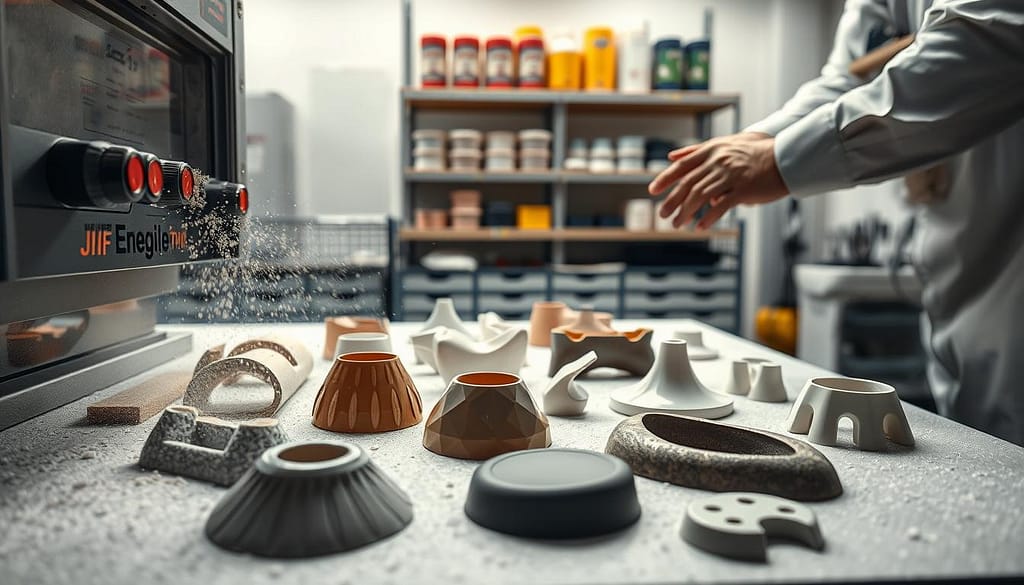
Test protocols tensile Izod fatigue compression set and drop tests
Imagine wearing a 3D-printed shin guard without testing it. Would you feel safe? In sports prototyping, test protocols are key. They make sure your gear is reliable, not just fancy plastic.
Tensile testing involves pulling a sample until it breaks. It shows the material’s strength. But, it’s just the beginning. You can’t judge a product by its strength alone.
The Izod impact test simulates real impacts, like a cleat to the shin. I’ve seen PA12 parts absorb less impact than virgin ones. This is important for safety.
Fatigue testing is like a marathon. It tests how long a part can handle repeated loads. It shows if your design is good or not.
Compression set is key for insoles and pads. If they lose shape quickly, they’re not worth it. You don’t want a pricey, useless orthotic.
Drop tests are like a Hollywood stunt. They test how well helmets absorb impact. These tests help improve your designs. Without them, you’re just wasting money.

LCA of AM vs molding low volume break even and spare part logic
Lifecycle analysis (LCA) often pits eco-friendliness against production costs. Additive manufacturing (AM) excels in cutting material waste and enabling light designs. Yet, it’s vital to note that energy use during setup and operation is high.
For low-volume items like custom insoles or a pro cyclist’s saddle, the break-even point with traditional molding is surprisingly low—often under 500 units. Once past this point, molding’s costs plummet, while AM’s stay the same. This shows that appearances can be deceiving.
The spare parts logic changes the story. Instead of storing 10,000 left-side cleat plates, you can keep a digital file and print as needed. This method reduces waste and shipping emissions from transporting plastic.
For example, a digitally stored mouthguard made from recycled TPU can have a carbon footprint 40% lower than one shipped from Asia. It’s not just about making parts; it’s about making the right part at the right time, reducing waste.
In summary, the LCA of AM versus traditional molding shows a complex mix of costs, environmental impact, and efficiency. As we strive for sustainability, grasping these details is key for manufacturers. Are we ready to adopt on-demand production, or will we stick to old ways?
Digital inventory and on demand strategy field spares personalization
Imagine a world where spare parts for your sports gear are just a digital download away. This isn’t just a dream; it’s real. Digital inventory lets sports teams get customized gear instantly. No more waiting for shipments or dealing with stock shortages.
For example, HEXR custom bike helmets use an app to scan your head, making a helmet that fits perfectly. Aetrex maps your foot’s pressure points to create insoles that fit your unique needs. Tailored Fits ski boot liners are 3D printed from calf scans. This shift from mass production to mass customization is changing the sports industry.
Imagine a cracked helmet liner during a game. Instead of frantically searching for a replacement, the team can reprint a new one overnight. This level of personalization is not just convenient; it’s a game changer. Personalization is the killer app in this digital age.
This model also fits perfectly with using recycled materials. Printing one-offs means even slightly off-color batches can be used without worry. Who cares if the inside of your shin guard is “eggshell” instead of “arctic white”? Digital inventory isn’t just efficient; it’s the ultimate in “waste not, want not,” wrapped in tech.
Costing per part machine hour powder refresh support removal and finishing
In the world of additive manufacturing, every dollar matters. Knowing the costs can make or break a project. It’s not just about the materials; it’s about the whole process.
First, think about the machine hour costs. Costs can range from $50 to $150 per hour. This is the cost while the machine works on your design. The longer it runs, the more it costs.
Next, consider the powder refresh rate. Using recycled materials like PA12 might need a 30–50% refresh ratio. Remember, fresh powder is expensive, so add it to your budget.
Then, there’s support removal. Those detailed designs can be a big labor expense. Spending 45 minutes on them can make a $20 material cost into a $120 labor cost. Design with post-processing in mind to avoid this.
Lastly, don’t forget the finishing touches. Steps like bead blasting, dyeing, and vapor smoothing add costs. These steps are often overlooked but can be key to success.
To summarize, here are the main cost factors:
- Machine Hour Costs: $50–$150
- Powder Refresh Rate: 30–50%
- Support Removal: Potentially high labor costs
- Finishing Costs: Additional material and labor expenses
Understanding these costs helps you budget better and make smarter design choices. The break-even analysis is not just about volume. It’s also about whether you value your sanity at an hourly rate.
Case mini studies pads cleats insoles guards and bike components
Let’s explore some amazing examples of 3D printing in sports gear. The HEXR cycling helmet is a game-changer for safety. It’s made to fit your head perfectly, thanks to a custom scan and a Nylon 11 core. Using recycled materials would make it even better for the environment.
Aetrex has a unique solution for insoles. They use a foot scan to create a TPU insole that fits your arches just right. This is something regular foam can’t do.
For athletes in contact sports, 3DMouthguard is a big win. Their mouthguard is made from bio-based Arnitel® and fits perfectly. No more waiting weeks for a custom guard.
In cycling, a saddle made from recycled PA12 is a big deal. It’s lighter and better at handling vibrations. Cleats are also important. Imagine sprint-specific plates made from MJF TPU, designed to boost power transfer.
These examples show how 3D printing can improve sports equipment. They offer complex designs and customization, and the push for recycled materials is key. It’s not just about being better; it’s about being responsible in sports.