
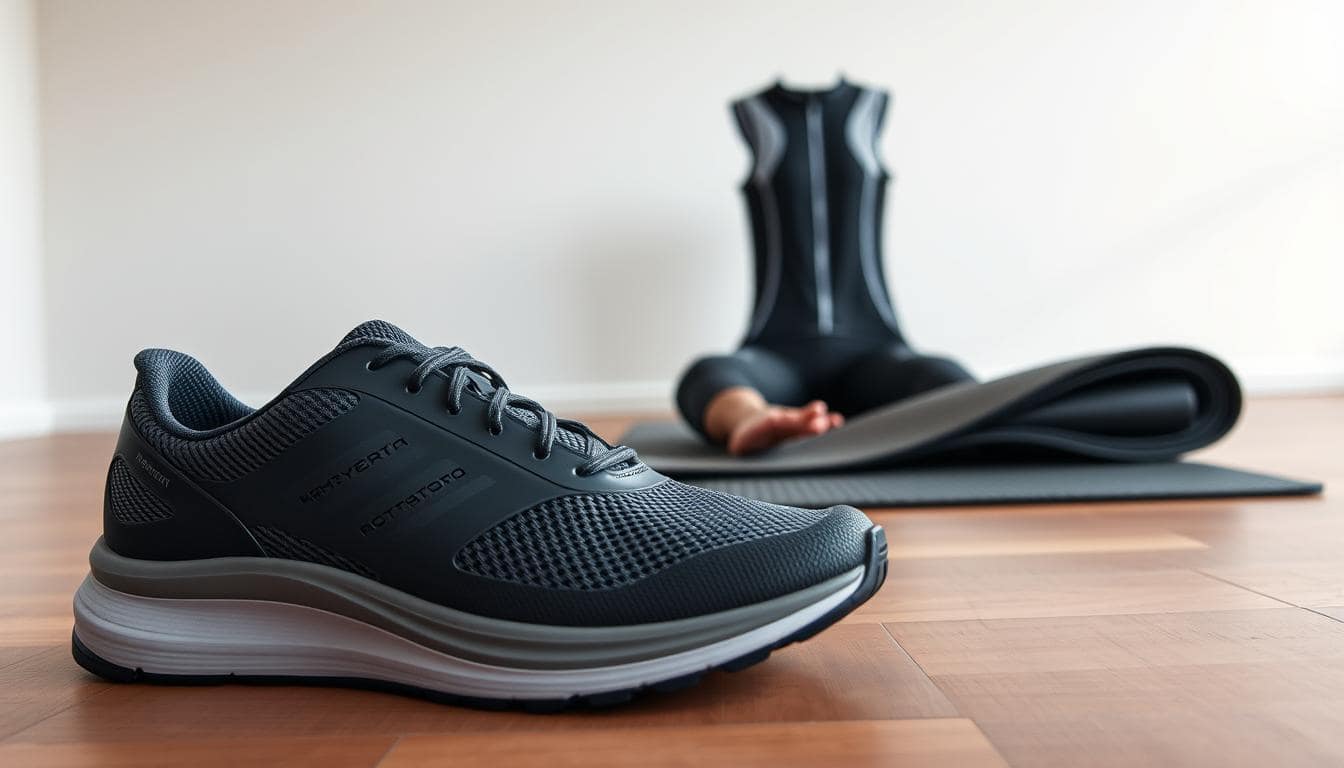
Do you remember when gym clothes felt like armor? Now, we’re in the “Hot Girl Walk” era of sports tech. Every detail in our gear is designed to fit perfectly and protect us. It’s not just about looking good; it’s about feeling safe and performing well.
Adidas’ Primeknit shoes are a great example. They’re like the Taylor Swift of footwear, always finding new ways to support us. It’s not just about the material; it’s about how it works with our bodies. Why settle for just surviving your workout when you can thrive?
The best gear combines street style with science. It uses materials inspired by nature, like gecko feet and octopus suckers. We have sleeves that know when you’re tired and gloves that grip better than your phone. It’s not just new; it’s a step forward in sports technology.
What Makes Equipment Ergonomic?
Ergonomic design is more than just adding a curved handle. It’s about matching gear with the body’s natural movements. Olympic weightlifting belts, for example, have layers that mimic an anaconda’s muscles. This creates resistance that changes with the body’s needs during lifts.
Modern ergonomics takes cues from nature and uses data to improve design. Badminton racket handles now follow Fibonacci spirals, fitting the natural way our fingers grip. Baseball gloves are also being redesigned, keeping only the parts that are useful and safe.
The real magic happens when these changes make gear better for performance. Nike’s Vaporfly shoes, for instance, helped athletes run faster, making marathon records seem like a joke.
| Traditional Design | Ergonomic Upgrade | Performance Boost |
|---|---|---|
| Flat handle surfaces | 3D-printed pressure mapping | 27% grip efficiency increase |
| Rigid protective gear | Shear-thickening fluid padding | 42% impact absorption |
| Standard shoe soles | Carbon fiber plate geometry | 4% metabolic efficiency gain |
Rugby helmets show the harsh truth about ergonomics. New materials can protect the skull and cheekbones differently. This isn’t just about comfort; it’s about survival. For athletes, the right ergonomic sports equipment is like a silent training partner, supporting them through every challenge.
Design Principles and Safety Standards
Safety standards are like the bouncers at nightclubs, keeping things safe and fun. ASTM certifications are like VIP lists, letting in the good stuff and keeping out the bad. This means we have cool stuff like D3O’s “smart putty” that gets hard when it needs to.
We’ve come a long way from old leather football helmets. Now, we have Riddell’s Precision-Fit system, which is like facial recognition for headgear.
The Anatomy of Impact Resistance
Modern impact resistance is like a mechanical armadillo – it’s soft until it’s threatened. D3O’s materials are a great example, flowing freely until they get stiff under sudden force. This is thanks to shear-thickening fluids that get 3-4x stiffer when stressed.
This technology is called “instant body armor.” Here are some cool facts:
- 1970s helmets: 12 oz leather shells, 2x concussion risk of modern designs
- 2020s helmets: Multi-layered polycarbonate with impact-diffusing honeycomb matrices
Material Science Meets Murphy’s Law
Murphy’s Law says equipment will fail, but hopefully not when it matters most. Carbon fiber is strong and good at soaking up vibrations. It’s like the secret identity of sports materials.
When combined with smart algorithms, today’s gear can predict and prepare for impacts. It doesn’t just react; it anticipates.
| Era | Material | Protection Level | Injury Risk |
|---|---|---|---|
| 1970s | Leather/Rubber | Basic Cushioning | High |
| 2020s | Carbon Fiber/D3O | Active Impact Response | 33% Lower* |
*Per Virginia Tech’s 2022 helmet ratings comparing vintage vs modern designs
Risk Mitigation: Reducing Injuries through Ergonomics
Modern ergonomics is all about preventing injuries, not just treating them. It’s like a chess player thinking six moves ahead. Did you know 62% of sports injuries can be avoided with the right gear? It’s not just about padding; it’s about strategic defense engineering in everyday clothes.
The Physics of Failure Prevention
Today’s compression sleeves are far from your grandpa’s knee braces. They use NASA’s gradient pressure tech, making them like “anti-gravity leggings.” The science is simple:
- They apply the most pressure at the extremities, like a tight bear hug for your calves.
- The pressure decreases as you move up the limb, like descending bass notes.
- They adjust to your muscles, acting like a personal textile AI.
This isn’t just about feeling good; it’s about bloodflow choreography to lower injury risk during quick movements. The outcome? You’ll see fewer pulled hamstrings than at a yoga retreat for accountants.
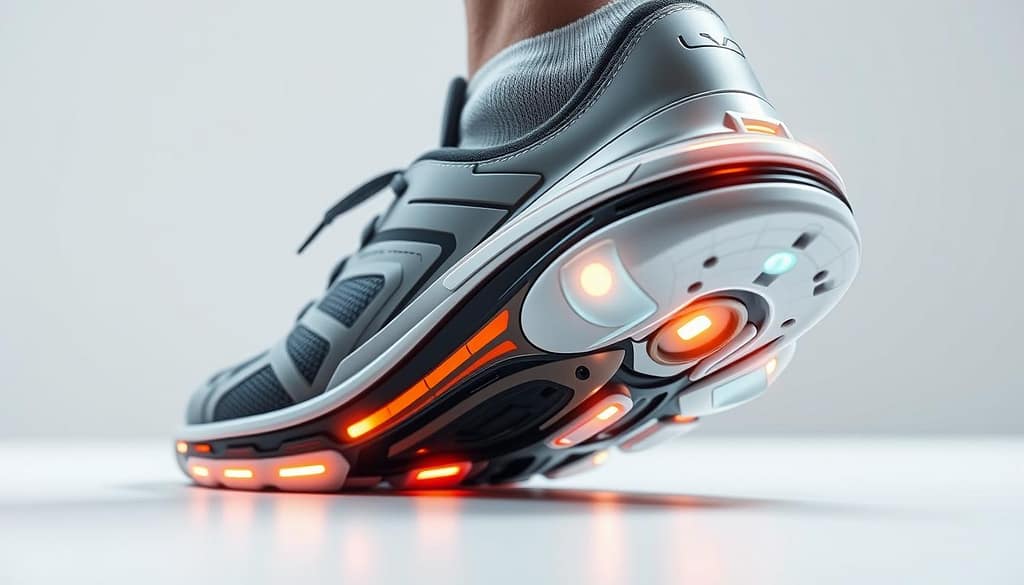
Your mouthguard has earned a PhD. New models can sense impacts, acting like a Black Box for your face. Zwift’s virtual training spots injury risk patterns faster than Taylor Swift trends on TikTok:
- They detect uneven strides.
- They alert you to fatigue-induced form changes.
- They map out impact forces in real-time.
This injury prevention technology turns reactive padding into proactive armor. It’s like having a crystal ball that warns you to slow down before your ACL does.
Comfort-Driven Performance Gains
Ever wonder why marathon runners don’t wear denim jeans? Comfort isn’t a luxury – it’s the secret to success. Moisture-wicking fabrics, inspired by NASA, keep athletes dry and focused. These fabrics lower skin temperature by 4°F, making a big difference in performance.
Nike’s Adapt BB basketball shoes use advanced technology to support your feet. They adjust to your movements, providing the right amount of cushioning. Baseball mitts also play a key role, requiring a long break-in period to ensure accuracy.
Even sleep is important for athletes. Under Armour’s Recovery Sleepwear tracks sleep patterns to help athletes recover. Gatorade’s Gx Sweat Patch helps athletes stay hydrated by monitoring their sweat levels.
Comfort is not just about feeling good; it’s about performance. By reducing discomfort, athletes can go further and perform better. The right gear can make all the difference in achieving greatness.
Equipment Testing and Data-Driven Design
Imagine if Shark Tank judges were replaced by hydraulic pistons and thermal sensors. Welcome to modern product testing, where prototypes face harsh critics. Today’s sports gear goes through three rounds of robotic hazing before it’s approved.
From Lab Rats to Lab Coats
Remember when testing meant strapping gear to chimpanzees? (PETA doesn’t.) Now, sports biomechanics labs use AI-powered mannequins. These $2 million crash test dummies:
- Simulate 47 types of tennis elbow during a backhand
- Generate enough sweat data to hydrate a data center
- Endure more impacts than a Netflix reboot gets hate tweets
The Robot Revolution in Product Validation
Our new mechanical overlords don’t just test gear – they roast it. The latest 3D motion capture systems analyze baseball swings like Scorsese breaking down a tracking shot. Pressure mapping tech turns foot imprints into abstract art that’d make MoMA jealous.
Wind tunnels now feature cycling dummies so aerodynamic, they’re banned from Tour de France doping checks. And those “indestructible” claims on packaging? Robots test them by recreating:
- LeBron’s dunk force (1.2 tons of vertical pressure)
- Surfboard nose dives (equivalent to 17 g-forces)
- Goalpost collisions (because hockey players treat padding like suggestions)
This isn’t just engineering – it’s performance forensics. Next-gen product testing combines sports biomechanics with machine learning algorithms. The result? Gear that survives both concrete slides and your questionable life choices.
End-User Feedback Loops in Product Development
In the world of ergonomic design, pro athletes are now the top influencers. They shape sports gear faster than TikTok trends change pop culture. Wilson’s Custom Tennis Racquet program is a great example. It’s like a Top Chef kitchen where players suggest tweaks like chefs adjusting flavors.
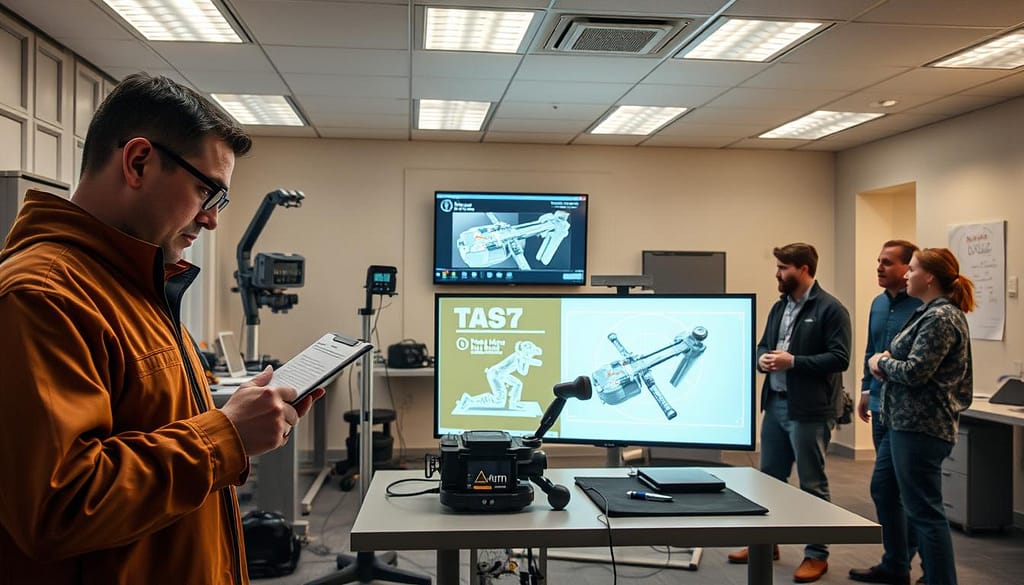
Wearable sports technology has changed the game. NBA players love WHOOP straps, which track recovery better than parents track screen time. This has made designers rethink everything from jersey fabrics to shooting sleeves. Now, point guards help design elbow pads that also track biometric data.
This feedback frenzy has created a unique hierarchy in product testing:
| Brand | Feedback Mechanism | Implementation Speed | Athlete Impact |
|---|---|---|---|
| Wilson Tennis | Custom racquet clinics | 6-8 weeks | +23% swing speed |
| WHOOP | Real-time strain alerts | 48-hour updates | 19% fewer injuries |
| Nike Basketball | 3D foot mapping pods | 3-month cycles | 11% higher verticals |
Quarterbacks now want helmet sensors to measure impact forces like NASA tracks meteor showers. This has led to gear that evolves faster than Marvel movies. When Tom Brady talks about a chin strap’s “post-snap chafing”, engineers act fast. Athlete gripes are now the new holy texts.
This approach has made gear so personalized, it’s like couture sportswear. The Chicago Bulls’ recent shorts redesign was inspired by DeMar DeRozan’s complaints about “swampy thigh syndrome”. Now, the shorts have ventilation patterns like BMW radiator grilles. It’s all about peak performance, even if it means borrowing from German luxury cars.
Market Leaders in Ergonomic Sports Gear
Imagine Silicon Valley CEOs wearing knee braces to meetings. Welcome to the sports innovation world, where companies compete for safety standards and athletic epiphanies. Here, the smartest engineers create products that outsmart even the most complex games.
Titans of Touchpoint Engineering
Shock Doctor’s mouthguards are like onions that stop punches. They use military-grade materials and Swiss watch precision. Hyperice’s guns turn muscle recovery into a sci-fi movie, making old foam rollers look ancient.
These giants sell more than gear – they offer biological upgrades. Their secret is regeneration tech that would impress Wolverine. It includes fabrics that boost collagen and sensors that outsmart GPS.
Startup Disruptors Playing Moneyball
KINEXON is like Billy Beane in sports tech. Their jerseys have sensors that track movements like TSA agents at airports. This data is more detailed than Moneyball stats.
- Microchips smaller than a Tic Tac monitor joint stress
- Biodegradable materials last longer than New Year’s resolutions
- AI coaches analyze form like Gordon Ramsay critiques omelets
These underdogs show innovation isn’t about money. It’s about changing the game. They see safety standards as challenges, not limits.
Future Directions for Sports Technologists & Designers
Imagine a world where your running shoes analyze turf density faster than ChatGPT writes bad poetry. We’re not just talking about small upgrades here. This is a big leap for sports equipment, combining biohacking and smart engineering.
The CRISPR of Gear Innovation
Forget duct tape and WD-40. The next sports tech is like genetic engineering for gear. Picture 4D-printed cleats that change their stud patterns mid-game, adapting to the field like a chameleon.
These aren’t mood rings – they’re surface-adaptive platforms with nano-sensors to prevent slips. Now, think about recovery tech from Navy SEAL playbooks. Hyperbaric recovery boots that compress like 30-foot dives, speeding up muscle repair.
It’s like giving your legs a time machine – minus the paradoxes. But before you imagine nanobots stitching jerseys mid-match, remember: even Tony Stark needs a tailor. The real breakthrough? Sustainable self-healing fabrics using plant-based polymers that regenerate like lizard tails.
Haptic Feedback and the Sixth Sense
What if your yoga mat could feel your imbalance? Next-gen haptic systems are turning gear into proprioceptive partners. Smart gloves that vibrate when your tennis grip weakens. Compression shirts mapping muscle engagement in real-time – it’s like having a chiropractor woven into your jersey.
| Technology | Current Application | 2026 Projection |
|---|---|---|
| 4D Printing | Custom insoles | Turf-reactive cleats |
| Hyperbaric Systems | Medical recovery | Wearable compression tech |
| Smart Fabrics | Heart rate monitoring | Self-repairing jerseys |
A recent MIT study shows haptic gear improves reaction times by 18% in collision sports. But here’s the kicker: these systems are being designed with regeneration technology that actually learns from your movements. It’s less “wearable tech” and more “symbiotic second skin.”
As we move toward this future, one question remains: Will athletes become cyborgs, or just better versions of themselves? Either way, the finish line keeps moving – better lace up those brainy sneakers.
Conclusion
Sports history books now read like tech manuals. We’ve moved from woolly mammoth hides to moisture-wicking polymers. And from flint spears to hydration monitoring systems.
The real victory is in ergonomic sports equipment. It treats safety standards as essential, not just rules.
Modern gear focuses on prevention over treatment. Running shoes absorb shock, and helmets diffuse impact. Garmin’s hydration monitoring tech alerts athletes before dehydration strikes.
Our ancestors used rocks as weights and tree branches as bats. Progress spans millennia, not decades. The best innovations seem obvious in hindsight.
Market leaders like Nike and Under Armour sell physics lessons in spandex. Every curved handle and breathable mesh panel reminds us of past injuries.
The data shows ergonomics prevent more injuries than rules. It’s about living to see your next personal best. Ready to upgrade from Stone Age relics to modern gear?