
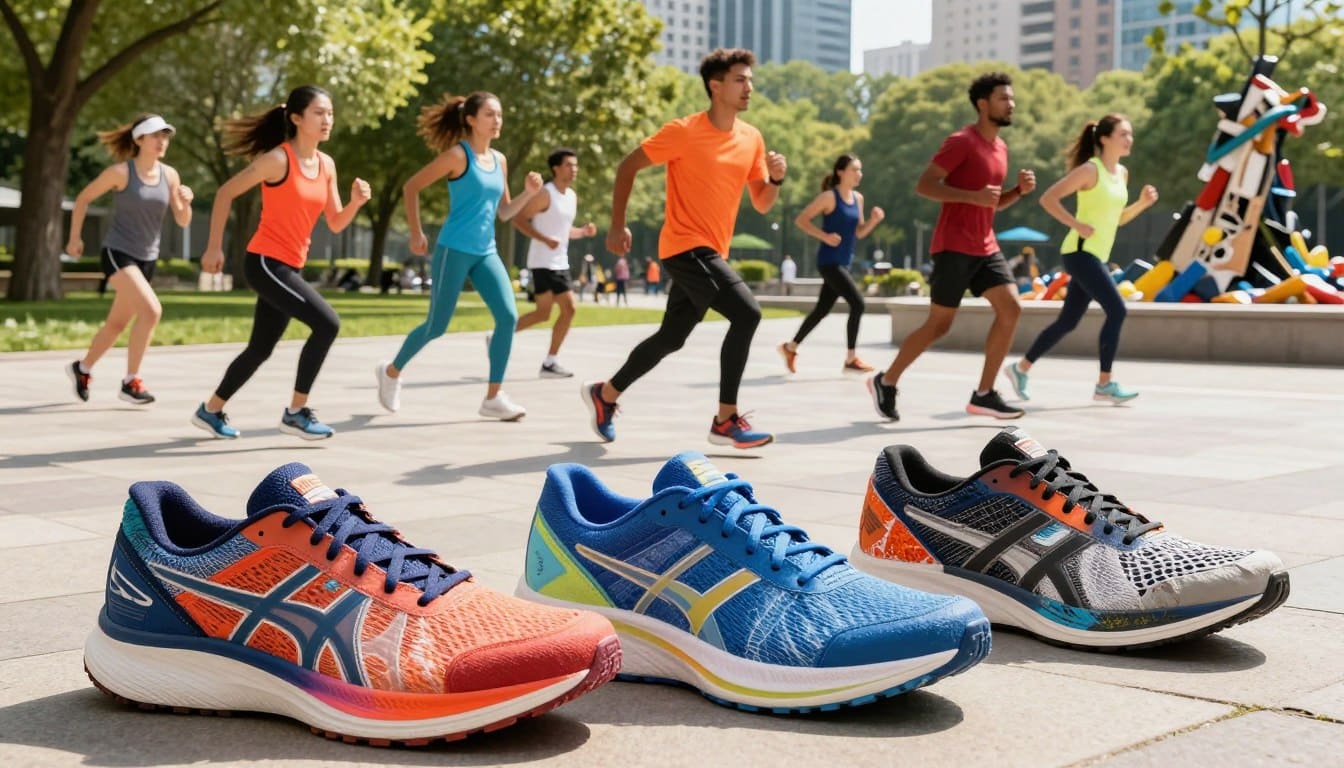
Seeing a running shoe made from old fishing nets made me laugh. It was a big laugh, not a polite one. Who would think to make a shoe from ocean trash?
But, the sports world is now using trash like a raccoon with a PhD. This isn’t just recycling. Upcycling in sports turns old things into something new and cool. It’s a big change in how we think about things.
This change is against throwing things away too soon. It’s about making things last longer, even in sports. In this article, we’ll look at this change closely.
Imagine your next trophy could be made from a soda bottle. Is that genius or just marketing? Get ready for sustainability to get competitive.
Want to learn more about the future of sports gear? Check out this article on materials science advancements.
Why Upcycle?
The sports world has a big waste problem. For every win, there’s a lot of waste left behind. This is not just bad for the planet; it’s a moral issue too.
Why use new materials when we can make something great from old ones? Upcycling sports gear is more than a trend; it’s a big change.
Hankook & Company talks about “Creative Rejuvenation.” It sounds like a fancy spa treatment for waste. But it’s really about making something valuable from what’s already been used.
When a jersey made from ocean plastic works just as well as a new one, we should think twice. Why not choose to upcycle?
Upcycling sports is a bold statement. It’s saying no to throwing things away. We love new things but also value things that have been used before.
This makes us question our values. Why not use what already exists instead of always looking for something new?
By upcycling, we not only cut down on waste but also make things better. The tech behind upcycled sports gear is amazing. It’s not just about looking good; it’s about working well and being kind to the planet.
Success Stories from Prototypes to Scaled Products
In the world of sports gear, many successful products start as weird prototypes. Upcycling is no exception. The path from a messy garage to a polished store shelf is filled with creative reuse. It turns failure into success.
For example, a tennis racket grip made from old wine corks. Those corks you’ve seen after a bad breakup. It was a bit lumpy and smelled of wine. But it shows the power of innovation. Even if it failed, it opened doors to new successes.
Today, big brands like Adidas and Nike are leading the way. Adidas has sold millions of Ultraboost shoes made from ocean plastic. Nike’s Space Hippie line uses factory scraps. These products sold out fast, showing people want eco-friendly and stylish items.
These products are more than just items; they’re statements. Upcycling has moved from the sidelines to the mainstream. It shows that being green doesn’t mean you have to lose style. But is it just a way to make money off of guilt? The success stories are undeniable, changing the game one recycled item at a time.
| Brand | Product | Material Used | Success Metric |
|---|---|---|---|
| Adidas | Ultraboost | Parley Ocean Plastic | Millions Sold |
| Nike | Space Hippie | Factory Floor Scraps | Sold Out in Hours |
| Reebok | Cotton + Corn | Organic Cotton & Corn Plastic | Positive Reviews |
The future of sports gear is in the hands of innovators who see failure as a chance to grow. For more on personalizing sports gear through customization and 3D printing, read this article.
Technical Challenges (Durability, Certification)
Upcycled sports gear faces tough challenges. It’s not just about recycling; it’s about lasting through tough tests. Imagine marathon sweat, rock-climbing abrasion, and angry racket smashes. Durability is key.
Lab reports show upcycled polyester fibers are almost as strong as new ones. This is impressive, but a 2% difference can be huge. It could mean winning a gold medal or a broken shoelace on TV.
Certification is another big hurdle. It involves ISO standards, REACH compliance, and eco-labels. Getting certified for both performance and sustainability is like a tricky balancing act.
Waterproof membranes from recycled fishing nets are another challenge. These nets, once strong against the ocean, now face rainy 10Ks. The technical hurdles are huge, but they lead to innovation.
Creating a soccer ball from old tires that meets FIFA standards is a miracle. Here’s a look at some upcycled sports gear materials:
| Material | Tensile Strength (MPa) | Source | Certification Status |
|---|---|---|---|
| Upcycled Polyester | 30-35 | Discarded Carpets | ISO 14001 |
| Recycled Fishing Nets | 28-32 | Ocean Waste | REACH Compliant |
| Old Tires | 40-45 | Landfill Waste | FIFA Certified |
In conclusion, upcycled sports gear is about more than just being green. It’s about what’s possible. For more on this, see this comprehensive report.
Athlete & Consumer Perception
The view on upcycling in sports often shows deeper cultural beliefs and biases. Athletes are known for their superstitions. They prefer what’s proven, and “upcycled” sounds like “second-hand” to them.
Take Serena Williams, for example. When she wears a dress made from upcycled nylon, it’s more than fashion. It shows that sustainability and performance can go together. But, some people are skeptical, thinking it’s not as good as “real materials.”
Consumer perception is changing quickly. Eco-conscious Gen Z buyers see upcycling sports gear as a sign of virtue. It shows they care about the planet without giving up style. On the other hand, some people doubt the quality of recycled materials.
This cultural tension is interesting. Are we buying performance or a story? Upcycling turns a weakness—recycled content—into a story of strength. The biggest challenge is overcoming the idea that new is always better.
Once we get past this mental block, the market will change. Skeptics might hold onto their new rubber soles like they’re precious. It’s not just about what you wear; it’s about what you believe in.
Market Trends
The global sustainable sportswear market is growing fast. It’s expected to reach impressive numbers. Creative reuse is key to this growth. Brands are now proudly saying their products are made from waste, from yoga mats to basketballs.
It’s interesting to see how the same forces that caused waste are now making money from solving it. Investment in recycling technologies is increasing. This makes it possible to recycle materials endlessly, mixing upcycling with traditional methods.
Digital product passports are changing the game. They let consumers track their items’ history. This new level of transparency is both empowering and unsettling. As rules get stricter and material costs change, upcycling will become a must, not just a marketing trick.
The future of sports manufacturing is clear. Creative reuse will be the norm, leaving old practices behind. Brands that see waste as valuable will lead the way. The real question is, which brands will adapt and succeed in this new world?