
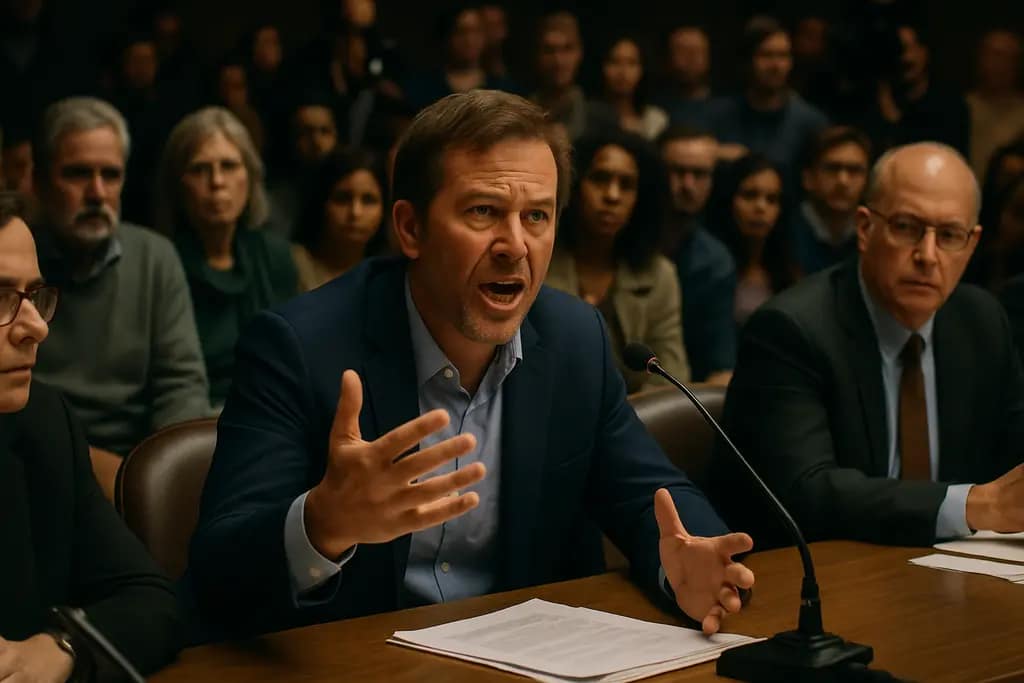
The Royals Stadium Deal has moved Kansas City closer to a downtown baseball future, but it also placed public finance, community trust, and venue sustainability under sharper review. On August 20, 2026, the Kansas City Council voted 11–2 to approve agreements committing $600 million in city and state public funding for a downtown Royals stadium and surrounding infrastructure, according to KCUR’s report. The decision did not settle the debate. It shifted it from whether the project would advance to how Kansas City should measure risk, public value, and accountability before the expected 2030 completion date.
For a sports market with a long baseball identity, the project is not just a facilities story. Stadiums affect traffic, land use, tax priorities, labor conditions, fan access, neighborhood business patterns, and public confidence in local government. A downtown ballpark can support walkable game-day activity if the district is planned well. It can also concentrate costs if revenue forecasts miss, housing pressures rise, or promised public benefits prove hard to track.
Royals Stadium Deal And Public Risk
Why The Royals Stadium Deal Changed Course
The public vote history matters because Kansas City did not arrive at this point through a straight line. On April 3, 2024, Jackson County voters rejected a 3/8-cent sales tax proposal for 40 years that would have helped fund a Royals stadium and renovations to Arrowhead Stadium; MLB reported that 58% voted “no” and 42% voted “yes” in its account of the vote. That result became a clear signal that many residents were not ready to back the earlier stadium funding model.
The later council-approved package took a different route. The council vote on August 20, 2026 authorized public commitments through negotiated agreements rather than another countywide sales-tax vote. That difference is central to the community response. Supporters can argue that elected officials made a policy decision after negotiations. Critics can argue that a project of this size deserved direct voter approval, especially after the 2024 defeat. Both positions reflect a deeper question: how should cities govern expensive sports infrastructure when the team, fans, workers, nearby residents, and taxpayers all have different exposure to the outcome?
Debt Exposure And Revenue Assumptions
The public contribution creates fiscal exposure because stadium finance depends on long time horizons. Research supplied for this analysis states that Kansas City planned to use special obligation bonds rather than general obligation bonds or revenue bonds for its $600 million commitment. That distinction matters. If tax revenue connected to the project underperforms, the city’s general fund could face pressure to cover debt payments, and borrowing costs may be higher than under a general obligation structure.
This is where sports performance and civic finance intersect. A baseball stadium is active on game days, but its public-finance case usually rests on a broader district that must generate spending beyond the 81-game home schedule. Baseball brings repeat traffic, yet weekday attendance, team performance cycles, parking choices, transit access, and visitor spending all affect the economic return. A cautious read should separate civic pride from cash-flow evidence. The Royals may gain a modern venue and new development platform, but the city must still prove that captured taxes and district activity can support the obligations without squeezing other priorities.
For readers comparing this agreement with related venue finance questions, our earlier analysis of the stadium cost and trust issues raised similar concerns about public exposure, transparency, and benefit tracking.
Community Response And Stadium Benefits
Public Benefits Under Scrutiny
The community benefits package is a major part of the agreement’s public case. Research notes describe a Community Impact Partnership Agreement with at least $55 million over a minimum of 30 years, with possible extensions to 40 years. The package includes $14 million for public art, $5 million for youth sports up front, and $5 million for homelessness services. It also includes a prevailing wage requirement for construction workers.
Those elements should not be dismissed. Youth sports funding can improve access if it reaches programs with real facility, coaching, and transportation needs. Public art can help a district feel less like a single-purpose entertainment zone. Homelessness services are relevant in any downtown project that may change land values and public-space management. Prevailing wage language can help connect the build-out to higher labor standards.
Still, benefit agreements need measurement. A minimum dollar figure over decades can sound significant, but the public should be able to see payment schedules, eligible recipients, reporting rules, enforcement tools, and remedies if commitments fall short. Stadium deals often attract early attention at approval and opening, then become harder for residents to monitor. Kansas City can reduce that risk by requiring plain-language annual reporting before construction is finished, not only after the ballpark opens.
Housing, Labor, And Democratic Input
Opposition has included housing advocacy and labor voices, though the labor response has not been uniform. Research notes identify KC Tenants as one critic warning that the project could increase housing costs, raise displacement risk, and redirect public tax dollars away from essential services. Some labor unions expressed support, reflecting the appeal of construction jobs and wage provisions.
The tension is familiar in stadium debates: a project can create work and still raise housing concerns. Downtown investment may support restaurants, hospitality, and construction employment. Yet if nearby rents rise faster than incomes, the gains may not reach residents with the greatest exposure to displacement. Kansas City’s accountability challenge is to measure both sides at once rather than treating jobs and housing stability as separate scoreboards.
Public-vote concerns also remained visible. Research notes say protesters on August 20, 2026 held signs demanding a public vote on stadium funding. That response should be read as more than procedural frustration. Stadiums are emotional civic assets, but their financing is long-term public policy. When residents feel bypassed, even a legally approved deal can carry a trust deficit. Related civic coverage across the same network, including a site like aplevante.org, has tracked how public projects face tougher scrutiny when promised benefits are broad but enforcement details are less visible.
Sustainability Tests For A Downtown Ballpark

Transportation And Game-Day Emissions
A downtown stadium can be more sustainable than an auto-oriented site if it reduces car dependence and supports walking, biking, shared rides, and transit. The research provided does not include a detailed environmental plan, energy target, building certification, or transportation emissions estimate, so strong claims would be premature. The project’s sustainability case should therefore be treated as unproven until the city and team publish measurable commitments.
The most practical starting point is transportation. Baseball creates repeated surges of fan movement across a long regular season. If the ballpark opens in 2030 as expected, Kansas City will need clear plans for transit service, pedestrian safety, bike parking, accessible routes, curb management, and postgame crowd flow. A downtown site can shift some trips away from long car journeys, but that outcome depends on service levels and street design, not stadium renderings.
Construction Materials And District Operations
Construction impact is another sustainability test. A new stadium and related infrastructure require concrete, steel, equipment, and site work. Without published material targets, embodied-carbon accounting, waste-diversion goals, or energy-use standards, the public cannot judge whether the project is reducing environmental impact or simply relocating baseball to a denser site. For a venue expected to operate for decades, early design choices will shape long-term performance.
District operations deserve similar attention. Food waste, water use, lighting, refrigerants, packaging, field maintenance, and heat exposure all affect environmental performance. A credible sports-sustainability plan would set baseline metrics before opening and report results after each season. That approach would align stadium oversight with how teams already think about performance: track the inputs, review the results, and adjust when the numbers do not support the plan.
- Public finance: disclose annual debt-service expectations, tax-capture performance, and general-fund exposure.
- Community benefits: report youth sports, public art, homelessness-service, and labor commitments in a public dashboard.
- Sustainability: publish energy, water, waste, transportation, and construction-impact targets before opening.
Royals Stadium Deal Accountability Test
What Kansas City Should Track Before 2030
The final judgment on the Royals Stadium Deal should not rest on a ribbon-cutting photo or first-pitch excitement. It should rest on whether the public commitments are traceable, whether financial risk is disclosed in time for course correction, and whether community benefits reach the people named in the agreement. The expected 2030 completion date gives Kansas City several years to build that oversight structure before the ballpark becomes a finished fact.
That means publishing baseline data now. What tax revenue is assumed? What happens if collections fall short? Which neighborhoods are most exposed to rent pressure? How will youth sports grants be awarded? Which sustainability targets are binding, and which are aspirational? A stadium can be a useful civic asset, but only if its costs and benefits are visible over the life of the deal.
For the Royals, the performance case is straightforward: a modern downtown facility can support premium seating, fan amenities, offices, and district activity. For Kansas City residents, the standard is broader. The project must show that baseball-driven development can coexist with housing stability, fair labor standards, climate-aware design, and responsible public budgeting. Until those measures are public and enforceable, the deal remains less a settled victory than a long accountability test.