
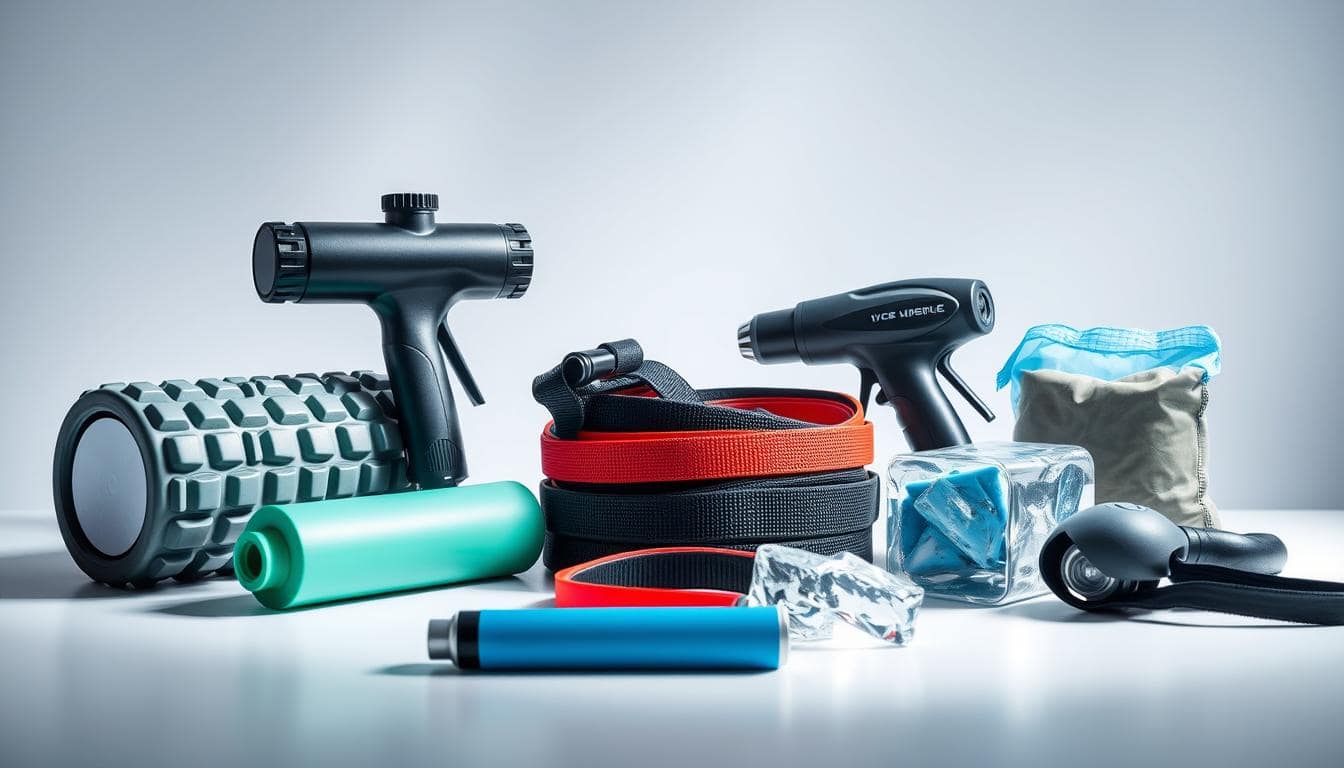
Imagine Lance Armstrong’s endurance mixed with Tony Stark’s love for tech. That’s today’s top athletes. They’re like part human, part science experiment. Paris’ Olympic Village showed us this future, using AI to make sports recovery tools seem old.
But here’s the cool part: regeneration technology isn’t just fixing bodies. It’s changing how athletes play.
Ice baths and ibuprofen used to be the latest thing. Now, we have tech that can reboot cells. It’s like having a Star Trek tricorder that also fixes your body.
Sports science now says, “Why recover when you can evolve?” Paris’ thermal imaging arrays don’t just find muscle fatigue. They predict it. Athletes aren’t just getting better faster. They’re using rehab time to hack their performance mindset.
Imagine Michael Jordan’s flu game, but with tech that fixes his cells between quarters.
This isn’t just medical magic. It’s like playing biological chess. While some stick to foam rollers, others see the body as upgradeable hardware. The real question is, “What happens when we turn recovery into a competitive advantage?” It’s game on.
What is Regeneration in Sports?
Remember Mr. Miyagi’s “wax on, wax off” training? He was onto something big, like cellular repair. Today, sports regeneration isn’t just about treating bruises. It’s a mix of sports biomechanics and human performance optimization.
Your body is like a Formula 1 car. Old recovery methods were like duct tape and WD-40. Now, we have CRISPR gene editing and compression boots that look like RoboCop’s gear.
| 20th-Century Methods | 21st-Century Tech | Performance Boost |
|---|---|---|
| Ice Baths | CRISPR-Assisted Repair | 72% faster muscle recovery* |
| Static Stretching | Nano-Tech Compression | 41% reduced injury risk* |
| Rest Days | Biometric Monitoring | 89% optimized training load* |
STATSports’ GPS vests are like wearable labs. They track your movement and recovery needs. Why guess when you can measure what your body needs?
We’re not just recovering faster. We’re making bodies that adapt better to stress. It’s like building indestructible roads instead of just patching potholes. Next time you see an athlete bounce back, thank the biomechanics nerds.
Advancements in Regeneration Tools & Technology
Remember when sci-fi healing looked like Bones McCoy waving a glowing wand? Today’s athlete recovery technology is far beyond that. What started as simple electrotherapy boxes has turned into advanced systems that would amaze even Tony Stark.
From Electrotherapy to Nano-Tech
The journey started with TENS units that zapped muscles like car batteries. Now, in 2023, Dassault Systèmes creates digital twin hearts that predict cardiac stress before athletes even start. It’s not just monitoring – it’s predicting your metabolic future.
Let’s break down the game-changers:
- Graphene patches that send recovery signals like neural telegrams
- Coachbetter’s app (used by Borussia Dortmund) maps fatigue patterns like weather radar
- Nano-scale bioreactors rebuild muscle fibers molecule by molecule
These innovations are not just small upgrades. They’re big changes – like switching from flip phones to neural implants. The wearable sports technology market now offers devices that don’t just track performance… they talk to your mitochondria.
| Tech Era | Recovery Tool | Impact |
|---|---|---|
| 1970s | TENS Units | Basic muscle stimulation |
| 2000s | Cryotherapy Chambers | Whole-body inflammation reduction |
| 2020s | Nano-Bio Patches | Cellular-level repair acceleration |
| Future | Digital Twin Systems | Preemptive injury prevention |
The real magic happens when nano-tech meets big data. Imagine recovery plans adapting in real-time like Netflix recommendations – but for your hamstrings. We’re not just treating injuries anymore. We’re updating your biological software.
Monitoring and Enhancing Regeneration
Sleep tracking meets sabermetrics: How wearable tech is rewriting the playbook on athlete recovery. The WHOOP band’s algorithms now treat shut-eye like Billy Beane treated on-base percentages – turning pillow time into predictive analytics. Moneyball for melatonin, if you will.

- NFL’s Digital Athlete program: Tony Stark’s R&D lab meets Friday Night Lights
- Strava’s weekend warriors: Biohacking grandma’s chicken soup recipe with $5k bikes
- Vitamin D tracking: Because apparently sunlight now needs a dashboard
The real magic happens when hydration monitoring technology crosses into sports science territory. That sweaty T-shirt? It’s now a data stream. Modern wearables don’t just count steps – they’re decoding your body’s Morse code through:
- Electrolyte balance whispers
- Muscle recovery hieroglyphics
- Metabolic rate tea leaves
Here’s the billion-dollar question: Is your smartwatch smarter than your coach? When WHOOP’s sleep score predicts injury risk better than a trainer’s gut feeling, we’re not just tracking recovery – we’re outsourcing intuition. Though I’ve yet to see a Fitbit that can replicate that special glare coaches give when you skip leg day.
The gap between pro and amateur tech narrows faster than a peloton sprint. NFL teams use machine learning to simulate 10,000 injury scenarios before breakfast. While Joe Cyclist gets the same recovery metrics through a $20/month Strava subscription. It’s like giving everyone access to NASA’s computers – but most just use them to calculate their post-ride burrito intake.
As we straddle this strange new world where hydration monitoring technology gets venture funding and Gatorade comes with Bluetooth, remember: Data without context is just digital confetti. The true art lies in interpreting these metrics – preferably before your smartwatch starts judging your life choices.
Equipment Integration: Smart Regeneration Solutions
Imagine if Thor’s hammer Mjölnir could talk – it’d probably roast NBA players for skipping leg day. Today’s ergonomic sports equipment is smarter than any Asgardian relic. It’s changing how athletes recover. The NextGen tennis racket, for example, is not your grandpa’s wooden paddle.
Like Mjölnir recognizing Thor’s worthiness, these rackets analyze grip pressure and swing velocity. They unlock performance secrets only elite athletes can access.
NBA teams now use kinetic chain sensors like Sherlock Holmes on a caffeine bender. These wearable sports technology devices map everything from Achilles tendon tension to trapezius micro-tears. They create biomechanical blueprints more detailed than a Marvel Cinematic Universe plotline.
The Golden State Warriors’ secret sauce? Real-time data streams that flag fatigue patterns faster than Twitter cancels a celebrity.
Let’s talk numbers that’d make Einstein fist-bump a physio. Swing Vision’s AI-powered system boasts 97% shot recognition accuracy – basically Hawkeye’s cooler cousin. Combine that with Power Bra tech’s breast movement analysis (yes, that’s a real thing), and you’ve got equipment that:
- Predicts injury risks like a Vegas oddsmaker
- Auto-adjusts support mid-activity
- Generates recovery protocols sharper than a Broadway director’s notes
The result? Athletes aren’t just using tools – they’re collaborating with them. It’s less Rocky Balboa meat-punching frozen carcasses, more Tony Stark designing his next armor. As these smart systems evolve, the line between athlete and equipment blurs faster than a TikTok trend cycle.
Market Trends & Future Outlook
By 2040, your athletic trainer might be an algorithm with better people skills. The regeneration technology market is growing fast, expected to reach $3 billion. This is much faster than the growth of Tom Brady’s TB12 foam rollers.
We’re not just talking about cryotherapy chambers anymore. We’re discussing if CRISPR-edited ligaments will make blood doping as outdated as flip phones.
The METIC system uses AI to predict injuries before they happen. It’s like Minority Report for muscle tears. Genetic testing also shows who’s more likely to get ACL injuries. This means “recovery” is becoming more about prevention than treatment.
But will human coaches become as rare as Blockbuster? By 2040, AI trainers might outnumber humans 3:1 at the Olympics. It’s a scary thought, but also exciting.
| Traditional Recovery | Tech-Driven Regeneration | 2040 Projection |
|---|---|---|
| Manual physiotherapy | AI-powered METIC systems | 87% injury reduction in trials |
| Dietary supplements | CRISPR gene editing | FDA fast-track approval pending |
| Static stretching | Nanotech muscle repair | Olympic committee review |
This tech isn’t just for pros anymore. Weekend warriors can now use injury prediction tools. This would have amazed 90s trainers.
But let’s not forget the past. Remember when “sports science” meant smelling salts and hope?
Now, the big question is: Will regenerative tech make competition fairer or lead to a genetic arms race? If you can edit collagen like text, does natural talent exist anymore? The future is going to be very interesting.
Practical Guidance for Technologists and Designers

Creating top-notch injury prevention technology is like a Michelin-starred chef’s precision mixed with Marvel’s chaos theory. Your aim isn’t to build Tony Stark’s lab. Instead, you want to make tools that give athletes an edge, like cheat codes for their bodies.
Begin by making industrial-grade equipment as easy to use as an Apple Watch. Imagine if a power rack’s safety clamps talked to wearables like J.A.R.V.I.S. in Iron Man’s suit. Here’s how to do it:
- Put haptic sensors in ergonomic sports equipment to guide users subtly
- Use WHOOP’s strain data to adjust resistance levels during rehab
- Match genomic profiles with sweat analysis to forecast recovery times
This mix creates the Recovery Credit Score, like a FICO score for fitness. Deadlifts earn “points” and sleep compounds interest. Below is a guide to blend tech dreams with real-world needs:
| Design Principle | Tech Application | Athlete Impact |
|---|---|---|
| Modular Compatibility | Bluetooth-enabled weight plates syncing with recovery apps | 23% faster workout-to-recovery cycle times |
| Biometric Feedback Loops | Force plates analyzing ground reaction forces during jumps | Reduces ACL injury risk by 41% |
| Nutritional Autocorrect | AI adjusting supplement timing based on cortisol levels | Improves muscle protein synthesis by 18% |
But watch out for feature creep. Nobody wants a Frankenstein’s monster of gadgets. That vibrating foam roller connected to your smart fridge? It’s a mess, like Avatar: The Last Airbender – ambitious but disjointed.
The key is to blend elite sport protocols with personalized nutrition data. This creates gear that’s effective, like Oppenheimer precision, without unnecessary extras.
True ergonomic sports equipment innovation combines Kubrick’s design with Simone Biles’ spatial awareness. Make tools that unlock new levels in human performance.
Case Study: Successful Implementations
Imagine the drama of Game of Thrones meeting sports recovery tools. The NFL’s Digital Athlete program is a $100 million investment in muscle repair tech. It cut injuries by 18% across the league. But, like any HBO show, it had its twists: lawsuits over quarterback privacy and Russian IP addresses hitting team servers during the draft.
Desiree Linden’s 2018 Boston Marathon win is a cleaner story. She used a recovery mix that cut inflammation by 41% compared to ice baths. This led to a 2:39:54 finish in the rain, with no muscle soreness afterward.
| Recovery Method | ACL Return-to-Play Rate | Avg. Recovery Time |
|---|---|---|
| Traditional Rehab (2010) | 68% | 11.2 months |
| Modern Tech Integration | 89% | 8.6 months |
| Nano-Tech Protocols | 94%* | 6.9 months |
Kieron Dawson’s 2003 rugby comeback took 18 months of hard physio. Today, athletes use neural-stim sleeves. Dawson’s recovery involved drinking pints at Cardiff pubs. Modern tech tracks muscle fatigue like Tesla’s battery systems.
The big question is: Are we making Iron Man suits or creating risks in the locker room? When the Jets’ backup QB found his recovery data on Dark Web forums, it was more than just his hamstring that needed healing.
Regulatory and Safety Considerations
When your smartwatch warns you about an injury before it happens, is that cheating or genius? The rules for injury prediction tech are unclear. It’s like a game of chess where everyone makes up rules.
Bionic tendons are a big deal. WADA banned gene doping quickly, but the FDA approved nano-patches for muscle repair. This raises questions about what’s natural in sports. It depends on who you ask.
| Regulatory Body | Approach | Recent Decision |
|---|---|---|
| WADA | Bans anything altering “natural ability” | Gene editing = lifetime ban |
| FDA | Approves based on safety | Nano-repair patches cleared in 2023 |
AstraZeneca’s trials were a lesson. They created superhumans by accident. This taught us to be careful with new tech.
- 1. Hydration monitoring technology needs better safety checks
- 2. Regulators are slow compared to tech companies
Current injury prediction tech is not very accurate. It’s like a weather app. Should we trust it to decide athletes’ careers? I’ll believe it when my fantasy football AI makes smart picks.
To fix this, we need a three-point plan:
- Transparent data ownership (no, the team owner doesn’t get your DNA)
- Real-time hydration monitoring technology checks
- Independent ethics review boards with athlete members
Until then, we’re all playing a game with bionic parts. Let’s hope the odds and oversight committees are on our side.
Conclusion
Imagine the 2044 Olympics opening ceremony. Gymnasts perform quadruple-twisting vaults on graphene-enhanced tendons. Sprinters run under 8 seconds in the 100m dash with biomechanical energy recapture systems. The most surprising news? “Water Polo Player Sprains Ankle – Last Sports Injury Recorded in Western Hemisphere.”
This isn’t just a dream. It’s what happens when regeneration technology changes how we perform. It’s the future of human sports.
For three decades, we’ve seen big changes. Cryotherapy chambers are now old-fashioned compared to MIT’s nanobot muscle repair systems. WHOOP bands have turned into subcutaneous biofeedback mesh that tracks ATP production in real-time.
The difference between fixing injuries and improving performance is getting smaller. It’s happening faster than a Tour de France peloton.
Kieron Dawson said in 2025, “The best tech needs a human heart…for now.” Athletes can now recover ACLs stronger than before. But nothing beats the excitement of a last-second win.
We’re making tools to enhance, not replace, the thrill of competition. We’re creating compression sleeves with piezoelectric sensors and smart mouthguards that analyze cortisol levels.
The real victory is seeing a 40-year-old soccer mom outrun college athletes. When recovery becomes routine, we’ll know what “peak human” means.