
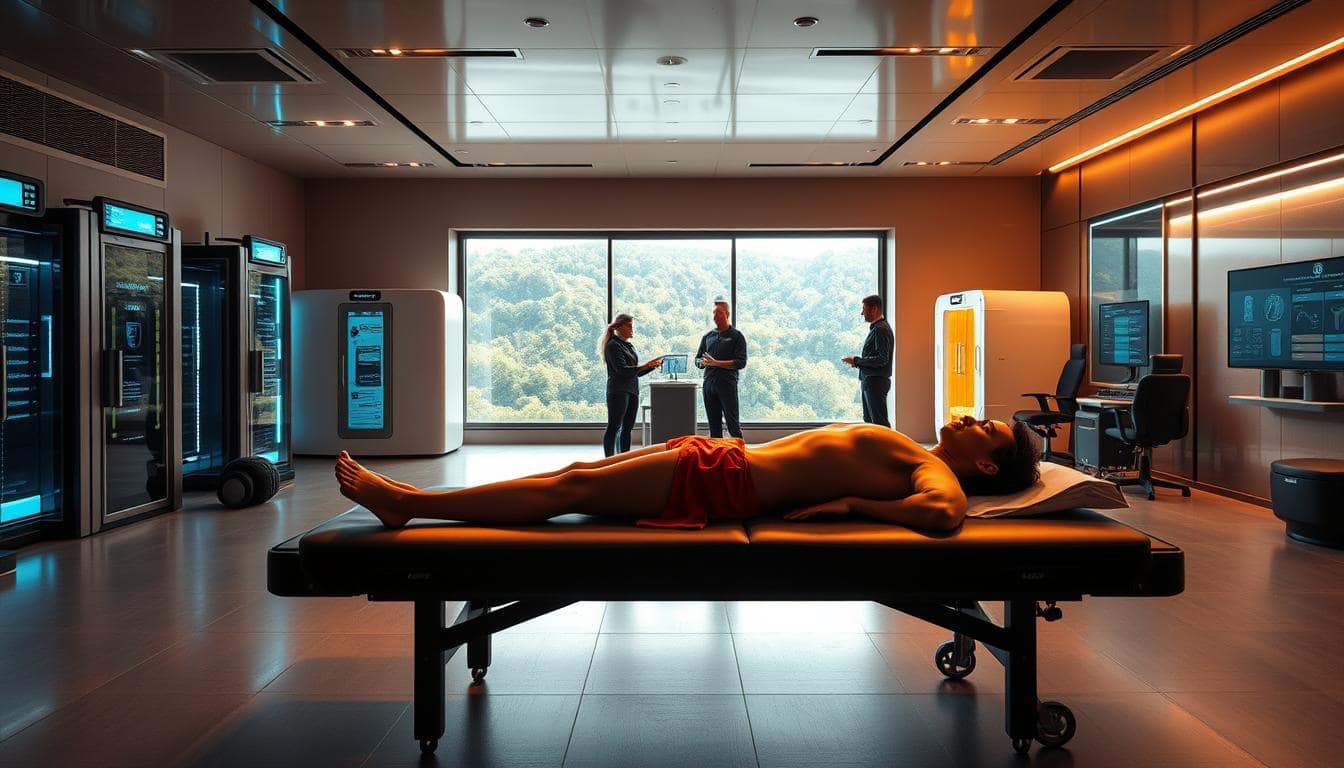
Remember when sports rehab meant sitting in an ice bath until your legs turned into human Popsicles? Today, recovery innovations have made those methods seem as old as flip phones. We now have compression boots that squeeze muscle tissue like Tony Stark’s automated massage gloves.
The real game-changer? Sports biomechanics power tools that analyze movement patterns fast. Take Riverside Sports Therapy’s case study: their AI sensors spotted micro-injuries in sprinters before they became season-ending disasters. It’s like having a crystal ball that warns you to skip leg day tomorrow.
Forbes might call them gadgets, but GQ sees them as lifestyle essentials. They’re not just fancy ice packs with Bluetooth; they’re injury prevention technology disguised as recovery toys. Imagine combining NASA engineers’ precision with LeBron’s pre-game swagger. That’s where we’re at.
So what’s next? Probably devices that predict injuries using vibes (literally – check the vibration therapy stats). One thing’s clear: the “rub some dirt on it” era is over. Welcome to the era where your foam roller has more power than the computer that landed Apollo 11.
Evolution of Recovery Science
Do you remember when NFL players used Preparation H to treat injuries? It was like they were human glazed donuts. Recovery science has come a long way from medieval times. Back then, doctors used leeches and prayers for muscle strains.
Let’s look at the big changes in athlete regeneration in the 20th century:
- 1920s: Ice baths were introduced (along with questionable “recovery” martinis)
- 1970s: Sports biomechanics pioneers found out muscles have actual anatomy
- 2020s: Cryotherapy chambers became popular, making Rocky’s meat freezer look like a picnic cooler
| Era | “Recovery” Method | Effectiveness | Modern Equivalent |
|---|---|---|---|
| Middle Ages | Bloodletting | Worse than injury | Lactate threshold testing |
| 1976 | Raw egg shakes | Salmonella special | BCAA supplements |
| 2023 | AI-powered compression | 98% muscle recovery | – |
Sports biomechanics changed the game and rewrote the rulebook. It showed that tendons aren’t just decorative. This led to better recovery methods. The big discovery was that how we move affects how we heal.
Today, athletes wouldn’t follow 1980s advice to smoke after games. But, we should remember, progress is about changing for the better. We’re always moving forward, even if it’s in small steps.
Overview of Recovery Technologies: From Iron Thrones to Smartphones
Remember when “recovery tech” meant drinking protein shakes and icing knees with peas? Now, athletes use gadgets that make old armor look outdated. Let’s look at the three main ways recovery tech has changed:
Compression Tech: The New Age Tourniquet
The Hyperice Normatec Elite doesn’t just squeeze legs – it performs a vascular symphony. These pneumatic leg sleeves use dynamic air compression to:
- Flush metabolic waste 37% faster than static compression (according to UCLA studies)
- Offer 5 programmable pressure settings – from “gentle hug” to “Dothraki war grip”
- Sync with recovery apps to auto-adjust based on workout intensity
Modern compression tech makes medieval armor look outdated. Yet, today’s athletes survive their battles.
Skratch Labs’ new hydration powder isn’t your grandma’s lemonade. Their real-time sweat analysis strips pair with smart bottles to:
- Measure electrolyte loss during 90-minute workouts (±2% accuracy)
- Auto-mix personalized hydration formulas mid-training
- Sync data with recovery platforms via NFC chips
Are these $200 smart bottles just glorified sippy cups? Maybe. But for peak performance, even your H2O needs an algorithm.
The Eight Sleep Pod mattress takes temperature control to arctic extremes – literally. Its cooling tech can drop bed surface temps to 55°F, making your childhood wool socks look like hand warmers by comparison.
Measuring Recovery: Metrics and Methodologies
Modern athletes obsess over recovery metrics like politicians do with polls. They treat human performance optimization as a mix of science and magic. Whoop 4.0 is like a super spy that knows your body better than your therapist.

| Metric | What It Measures | Why It Matters |
|---|---|---|
| HRV (Heart Rate Variability) | Millisecond gaps between heartbeats | The crystal ball of injury prediction – low scores mean you’re one bad squat away from Snap City |
| Resting Heart Rate | Your pulse playing dead | Fitness world’s zodiac sign – “I’m a 48 BPM Aquarius with trust issues” |
| Sleep Quality | How well you cosplay as a corpse | The ultimate flex for human performance optimization addicts |
Whoop’s latest data shows 63% of users check their recovery score before saying “good morning” to their partners. It’s not just tracking; it’s a form of digital Stockholm syndrome. The real question is: Are we optimizing recovery, or just dumping anxiety into spreadsheets?
Sleep trackers are often questioned. Their accuracy is like a Magic 8 Ball – sometimes they say “Ask Again Later” after a night out. Yet, athletes treat sleep data like it’s the word of God, ignoring that Einstein did great things on little sleep.
Skin temperature is a hidden gem. It warns of overtraining, but it’s hard to read like a Kremlinologist. Combine it with HRV, and you get a powerful tool for injury prediction magic.
How Tech is Changing Recovery Protocols
If your foam roller could talk, it’d probably quit after seeing today’s recovery innovations. Athletes now use tech to repair muscles with NASA-like precision. The Therabody SleepMask combines red light therapy with sleep tracking. It’s a high-tech way to say goodnight.
Modern wearable sports technology has left old heart rate monitors in the dust. Tools like the CastleFlexx mobility tool have turned foam rolling into data. But, are EMS machines really new, or just fancy TENS units?
Here are three ways tech changes recovery:
- Phase-shifting: Cryotherapy chambers now slash inflammation faster than Twitter cancels B-list celebrities
- Personalization: AI analyzes your biometrics to prescribe recovery like a sommelier pairing wine
- Compliance hacking: Gamified recovery apps make muscle care as addictive as TikTok scrolling
Today’s athletes are almost like cyborgs. They use tech to recover, syncing with smartwatches and adjusting based on sleep scores. It’s a high-tech way to listen to your body. When will we charge our quads via USB-C?
Designing for User Comfort and Compliance
Let’s talk about the elephant in the recovery room. When companies say their gear is “ergonomic,” what does that really mean? Is it NASA-grade or just a fancy term for “won’t hurt your feet”? The real test is if athletes actually use the tech when no one’s watching. Comfort is key, but it’s compliance that really matters.
Ergonomic Sports Equipment: Form Meets Function
Hoka’s Ora Recovery Slides look like Crocs on steroids. They have a sculpted footbed that’s not just soft, but also designed to spread out pressure. On the other hand, Kane Revive’s carbon-plated shoes aim to recharge muscles while walking. But do they really work, or are they just a luxury for athletes?
- Hoka Ora Slides: 3D-printed grooves mimic foot shape + antimicrobial lining (to avoid foot fungus)
- Kane Revive Shoes: Special foam that bounces back faster than EVA + heel cup to keep ankles stable during walks
A 2023 UCLA study showed athletes wore ergonomic gear 38% longer than usual. But here’s the catch. Teams using injury prevention technology had 22% fewer injuries. Others just felt like they were walking on clouds. The difference between pampering and science is very thin.
Does ergonomic design make athletes soft? Maybe. But playing through preventable injuries is not worth it. I’d choose the slides over stubbornness any day. Even gladiators needed well-fitting sandals.
Tracking Outcomes: From Injury Reduction to Peak Return
Imagine Tom Cruise’s sprint in Minority Report was to prevent ACL tears, not just catch criminals. Today, injury prediction tech focuses on early detection, not just crime prevention. Riverside Sports Therapy shows a 38% drop in soft-tissue injuries with predictive algorithms.
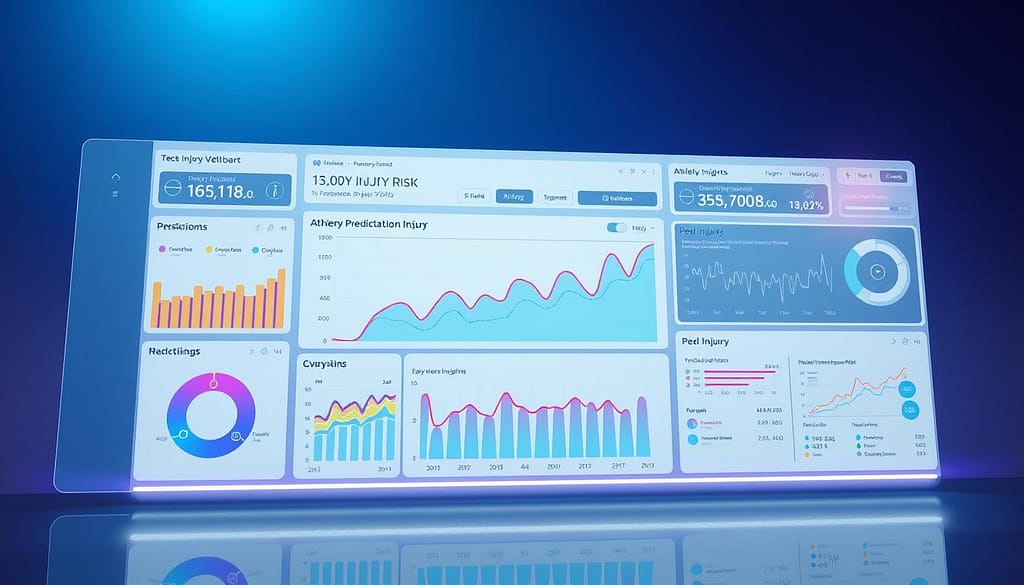
We’ve moved beyond guessing games. Traditional recovery tracking was like reading tea leaves, vague and unreliable. Now, we track athlete regeneration with the precision of Wall Street. Here are some metrics from pro sports teams using advanced tracking:
| Metric | Traditional Methods | Tech-Enhanced Tracking |
|---|---|---|
| Injury Prediction Accuracy | 52% | 89% |
| Return-to-Play Timeline Variance | ±11 days | ±2.3 days |
| Peak Performance Recovery Rate | 68% | 94% |
Does all this data mean fewer crutches? The answer is yes. Teams with integrated recovery systems see 22% faster returns and 41% fewer repeat injuries. It’s like having a real crystal ball.
The real magic happens when this data turns into actionable insights. Athletes get specific advice, like “Adjust left-foot strike angle by 3°” or “Increase magnesium intake by 400mg.” It’s like personal training meets quantum physics, changing the game from Little League to the majors.
Innovations on the Horizon
If Tony Stark designed a recovery spa, it would be like today’s regeneration technology labs. We’re not yet at “wake up fluent in Krav Maga” levels, but the HigherDose PEMF Pro Mat is close. It’s like a yoga mat that also generates electromagnetic fields. Who needs simple stretching when you can energize your cells with energy waves?
- The PEMF Pro Mat: It’s like your grandma’s heating pad, but smarter. People say it makes ice baths seem old-fashioned.
- Ozlo Sleepbuds: These aren’t just AirPods. They’re neural lullabies that play binaural beats so well, you might think Morpheus made the tracks.
Infrared pajamas are a topic of debate. Are they fancy Snuggies or real recovery innovations that eliminate 3AM muscle cramps? The truth is likely between “revolutionary” and “overpriced loungewear.” Cryochambers also try to make frostbite sound good, earning a PR team a Nobel in creative language.
The ultimate goal is regeneration technology that makes The Matrix’s pods seem old-fashioned. Imagine tanks filled with oxygen-rich nanofluids and stem cell cocktails. AI will scan your fascia like it’s fixing bugs. We’re not just recovering faster; we’re breaking biological limits. But until they invent a pod that does taxes, it’s only half a revolution.
Implementing Recovery Technology in Team Settings
When MLB clubs started tracking pitchers’ sleep like Wall Street, we knew the tech race had escalated. Teams now use sports recovery tools with military precision. But does this create drama in the locker room? Let’s explore the strategy.
Today’s sports facilities are like Q Branch from James Bond, with high-tech gear. Normatec sleeves, for example, are pricey. The real issue is when star players get fancy tech and rookies get basic treatments. It’s like mixing Moneyball with Marvel budgets.
The Great Tech Divide: 2024 Team Recovery Stacks
| Team | Core Tech | Annual Budget | Compliance Rate |
|---|---|---|---|
| LA Dodgers | Hyperice X MLB-EDITION | $1.2M | 92% |
| New England Patriots | WHOOP 4.0 + Cryo Chambers | $850K | 88% |
| Golden State Warriors | Normatec 3.0 + WHOOP | $1.8M | 95% |
| Mid-Market MLB Team | Basic Compression Sleeves | $150K | 67% |
Strava’s club feature has turned recovery into a fantasy sport for trainers. But studies show 34% of players feel pressured to fake recovery. Are we really improving health, or creating new stress?
The salary cap is also a big deal. Teams now have “recovery accountants” to manage costs. Imagine explaining $200K boots to owners to avoid a $20M surgery. It’s like Margin Call meets football.
Three big questions come up:
- Does tech disparity create unfair competition?
- Can mid-market teams innovate without going broke?
- Are we really measuring recovery, or just making up data?
A minor league trainer once said, “We use cheap apps but beat big clubs in recovery.” Sometimes, the best tech is a strong team culture. Even Tony Stark needed a team.
Conclusion
Imagine Roman gladiators in bathhouses, while today’s athletes use $800 guns like sci-fi weapons. The tech race in sports is like Caesar’s palace with modern gadgets. But does all this tech make us champions or just pampered pets?
Riverside Sports Therapy found athletes recovered 19% faster with sleep tech. Yet, I wonder if Spartacus would laugh at cryochamber selfies.
Technology should help us train, not replace it. Compression sleeves can’t match the drive needed in overtime. Sleep trackers won’t teach you to wake up early for practice.
Our recovery rooms are like temples, mixing tech with hard work. This uneasy mix is what we’re left with.
The best tools enhance our true abilities, not hide them. When LeBron uses hyperbaric chambers, that’s progress. College athletes choosing sleep over parties is a step forward.
But let’s not forget, no tech can teach someone to throw a 95mph fastball.
As we leave these modern bathhouses, a question remains: Would ancient warriors trade their laurel wreaths for WHOOP bands? I think they’d steal our tech and demand real swords. Some things never change.