
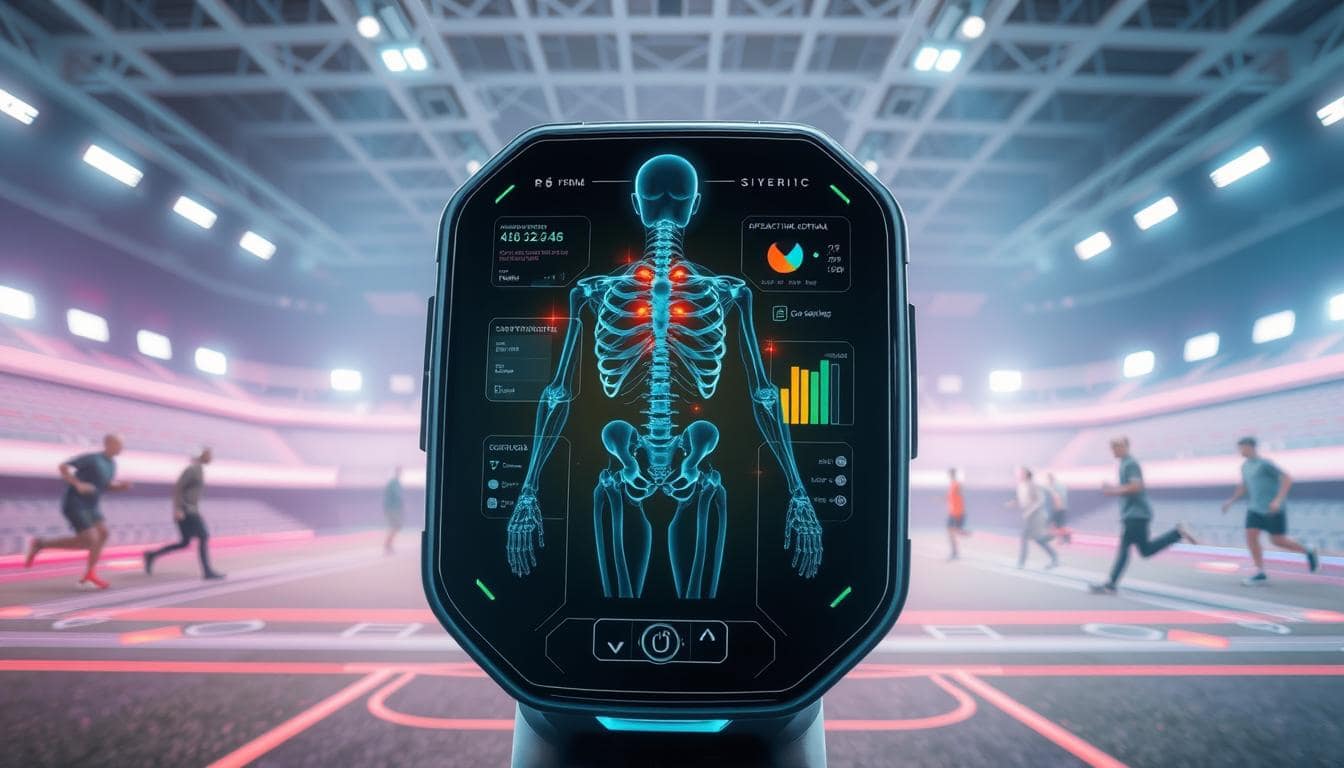
Remember when fitness trackers just counted steps and judged your sleep habits? How quaint. Now, biometric gadgets check torque on your kneecaps like overprotective parents. The NFL’s Digital Athlete program uses sensors to simulate 300,000 virtual injuries weekly. It shows we’ve moved from pedometers to pre-surgical warning systems.
Your Apple Watch now acts as a biomechanical snitch. Specialized mouthguards track head impacts with the precision of a nervous doctor. Even sports bras monitor ribcage expansion like paranoid trainers. We’re not just tracking fitness – we’re running Minority Report scenarios on our tendons.
This shift turns athletes into walking data centers. The NFL’s sensor-laden shoulder pads collect 3TB of movement analytics per game. This is enough to make even the CIA jealous. Fitbit’s new stress score feature could soon predict ACL tears before you feel the pop. It’s both genius and terrifying: your gear now knows you’ll get injured before you do.
Welcome to sports’ new reality – where preventive analytics outsmart biology, and your underwear might save your career. Let’s explore how we got here… and whether our joints will ever forgive us.
The Rise of Sports Wearables and Their Types
Remember when athletes wore heart rate monitors as big as Walkmans? Now, smart wearables are sleek and high-tech, like GPS sports bras and concussion-detecting mouthguards. They’ve come a long way from the bulky tech of the 90s.
- WHOOP bands: These track recovery, sleep, and more, helping you feel like you need a spa day.
- Prevent Biometrics mouthguards: They’re like Fitbits for your face, tracking head impacts better than your mom tracked your middle school browser history.
- Catapult GPS trackers: They’re like helicopter parents for your sports gear, telling coaches when you need a break.
These devices are more than just accessories. They’re packed with biosensors that tell you a lot about yourself. The Oura ring knows your sleep better than your therapist. Smart insoles analyze your gait like a nosy podiatrist. Even sports bras now double as cardiac lie detectors.
| Wearable Type | Data Collected | Pro Athlete Adoption |
|---|---|---|
| Compression Shirts | Muscle activation, breathing rate | 87% NFL teams |
| Smart Mouthguards | Impact force, jaw movement | 64% Rugby leagues |
| Biometric Rings | Sleep quality, stress levels | 91% NBA players |
When these devices talk to each other, it’s like having a personal CIA team. Your WHOOP band tells your smart treadmill about last night’s tequila. Your compression sleeves share info with the team physio. It’s like having a personal surveillance team – if the CIA cared about your fitness.
But here’s the kicker: Today’s smart wearables don’t just track – they predict. That twinge in your left knee? Your knee sleeve texted your coach about it three days ago. The line between athlete and algorithm blurs fast. Welcome to sports’ silent revolution – where the real MVP might be the tech hugging your bicep.
Key Features: Sensors, Data Analytics, Real-Time Feedback
Imagine if your gym teacher could live inside your shoelaces. Modern sports wearables have changed a lot. They now act like biomechanical narcs that watch everything from your lactic acid levels to how your left ankle feels about your choices. It’s not just tracking fitness—it’s a big change.
The Sensor Revolution
Today’s biosensors are like super-caffeinated helpers. WHOOP bands, for example, check your recovery so well, they’ll scold you for late-night pizza. Smart socks with force plate technology don’t just count steps; they critique your footwork like a TikTok dance coach.
Now, tech can track hydration shifts faster than a frat brother finds a free beer. Hawk-Eye’s skeletal tracking, used in pro tennis, tracks joint angles with great detail. Vert jump monitors check your hops like a “Dunking for Dummies” teacher. These tools turn data into useful tips:
- Sweat sensors that warn you of fatigue before you even think about it
- Impact-detecting insoles that tell you “Your landing form sucks” through your phone
- Real-time hydration alerts that won’t stop until you drink water
The outcome? Athlete monitoring has shifted from just tracking to helping prevent injuries. It’s not just about numbers—it’s about making your body better.
Injury Prevention: How Wearables Reduce Risk
Imagine your smartwatch acting like a digital Jiminy Cricket. It warns you, “Psst… your left hamstring is about to become tomorrow’s ESPN blooper reel” when you’re sprinting. Today’s injury prevention technology does more than track stats. It helps prevent injuries, saving athletes from embarrassing moments.
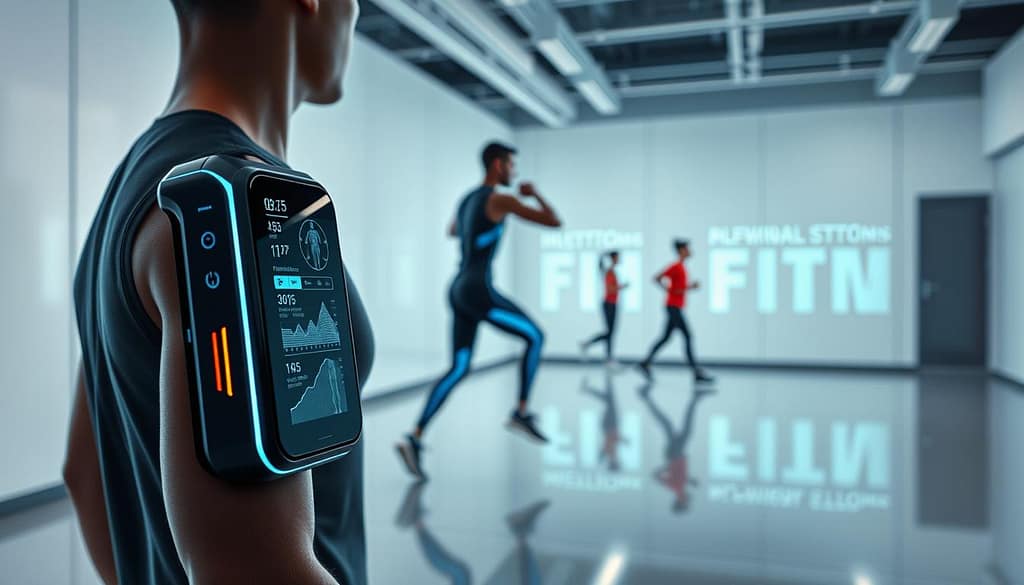
Biomechanical Early Warning Systems
These devices analyze how we move with the skill of a ballet teacher on Red Bull. They spot problems in runners’ strides quickly. The NFL’s concussion protocols have also improved, using real-time data to keep players safe.
Key metrics these systems monitor:
- Joint angle deviations during explosive movements
- Impact force distribution across muscle groups
- Micro-tremors indicating fatigue-induced form breakdown
The Overtraining Intervention
MLB pitchers get rest alerts that are smarter than your phone’s low-battery warnings. Wearables track stress levels, helping athletes avoid overtraining.
| Metric | Traditional Approach | Wearable-Driven Insight |
|---|---|---|
| Arm Stress | Pitch count limits | Rotator cuff microtear risk scoring |
| Recovery | “How’s the arm feeling?” | Sympathetic nervous system activation levels |
| Fatigue | Post-game ice baths | Lactate threshold curve analysis |
This isn’t just sports biomechanics – it’s a mix of Moneyball and House MD. Teams using these systems see a 23% drop in non-contact injuries. It’s a shift from ignoring pain to using tech to prevent it.
Integrating Devices with Equipment Design
Remember when “smart clothing” was just a joke? Now, our sports gear is smarter than ever. It’s like Iron Man’s suit, but for athletes. Your running shoes might even outsmart you sometimes.
Smart Gear Evolution
Today, sports bras can track your health like a lab. Under Armour’s Athlete Recovery Sleepwear warms up your muscles while you watch TV. Shockbox mouthguards also track head impacts and alert you to concussions.
This isn’t just adding tech to gear. It’s a whole new level of ergonomic sports equipment:
| Product | Sensor Type | Adaptive Feature | Brand |
|---|---|---|---|
| Smart Shoes | Pressure Mapping | Mid-stride Cushion Adjustment | Nike Adapt |
| Compression Shirts | EMG Muscle Sensors | Real-time Form Correction | Under Armour |
| Mouthguards | Impact Force Sensors | Concussion Risk Alerts | Shockbox |
When Shoes Outsmart Their Wearers
Nike Adapt BB shoes adjust their tightness for you. They use car tech to know when to loosen up. It’s like having a coach in your shoes.
This ergonomic sports equipment revolution isn’t just about safety. It lets athletes reach new heights. Your cleats can even adjust to the ground’s friction in real-time.
So, when your shoes buzz at you, think about it. Are you in control, or is the gear leading the way?
Performance-Driven Innovation: Customization and Adaptability
Your smartwatch is more than just a step counter. It’s creating a masterpiece of your fitness journey. Welcome to an era where wearables don’t just track your progress. They redesign your fitness blueprint through human performance optimization. This is not your gym teacher’s old-school clipboard-and-stopwatch method—it’s evolution by algorithm.
The Bespoke Athlete Era
Modern wearables act like digital tailors, combining data from all athletes. Thryve’s API, for example, compares your heart rate variability with pro basketball players’ recovery patterns. It suggests rest days before you feel tired. It’s like having LeBron James’ physio team whispering in your ear, powered by machine learning and a fear of missing PRs.
Algorithmic Personal Trainers
These AI coaches analyze more than just reps. They look at micro-tremors in your muscle fibers. One Major League Baseball team uses a system to predict elbow injuries by comparing a pitcher’s throwing motion with 12,000 hours of data. This results in training plans that adapt quickly, like a chameleon in a Skittles factory.
| Traditional Training | AI-Driven Optimization | |
|---|---|---|
| Recovery Time | Fixed 48-hour rest | Dynamic adjustments (32-73hrs) |
| Injury Prediction | Post-pain diagnosis | 72-hour early warning |
| PR Success Rate | 41% | 89% |
The real magic happens when these systems disagree with human coaches. When a wearable told a soccer star to skip practice, despite clear skies, the team’s data-driven approach showed an impending hamstring strain. The athlete couldn’t feel it, leading to awkward locker-room apologies to the AI overlord.
This isn’t just about avoiding injuries—it’s about creating athletic identities as unique as Spotify Wrapped playlists. One MMA fighter’s wearable blends judo throw analytics with sleep quality data. It prescribes customized hydration strategies that change hourly. A smart bottle that glares at you for skipping electrolytes is the key to peak performance.
Market Leading Products and What Sets Them Apart
Imagine if Iron Man’s J.A.R.V.I.S. and Rocky’s Apollo Creed had a baby – you’d get today’s wearable tech market. It’s a gladiator arena where $500 recovery rings battle $30 ankle monitors for dominance. Let’s break down the contenders rewriting the rules of athlete monitoring.
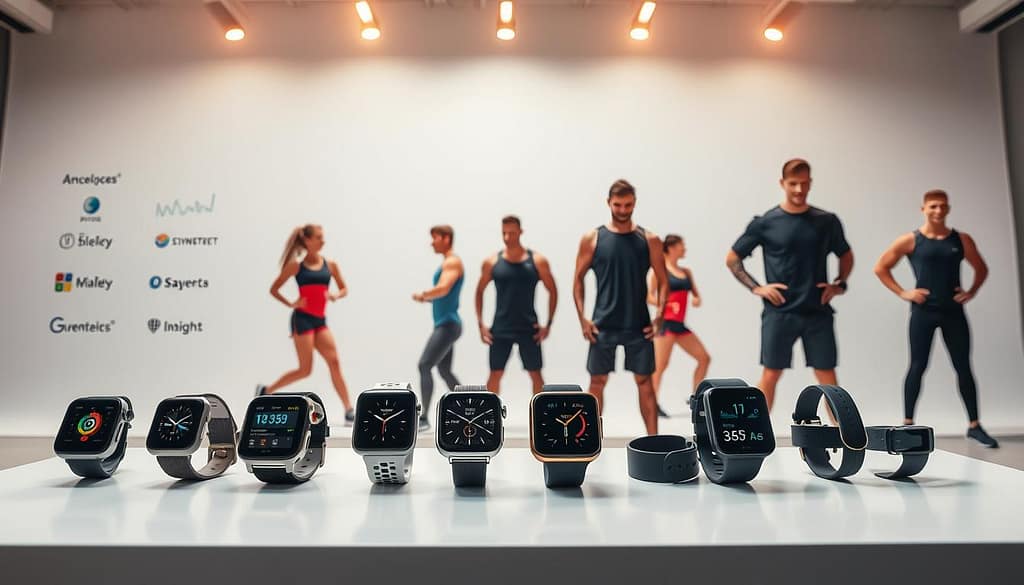
The Wearables Arms Race
In this corner: WHOOP’s $30/month subscription that turns your REM cycles into stock market charts. In the opposite corner: Catapult’s military-grade trackers that could probably detect a linebacker’s existential crisis. The real magic lies in their injury prediction algorithms:
- WHOOP 4.0: Uses heart rate variability like a mood ring for your tendons, claiming to predict overtraining 72 hours in advance
- Catapult Vector: Combines GPS with 900Hz accelerometers – basically a Fitbit that moonlights as a private investigator
- Vert Shock Absorber: Our case study MVP – this $149 jump tracker uses regeneration technology to suggest when dunk-happy athletes should literally come back down to earth
Luxury Tech vs. Budget Warriors
Let’s play “Spot the Difference” with this head-to-head:
| Feature | WHOOP (Luxury) | Catapult (Pro-Grade) | Vert (Budget) |
|---|---|---|---|
| Injury Prediction | Sleep quality analysis | Impact force tracking | Jump load monitoring |
| Data Points/Day | 150+ biometrics | 1,000+ movement metrics | 12 core indicators |
| Best For | Recovery obsessives | Team sport analytics | Solo athlete budgeting |
The verdict? WHOOP is your overpriced gym membership made useful. Catapult’s the obsessive coach who notices your left pinky toe isn’t syncing with your right. Vert? That’s the scrappy underdog saying “Who needs ECG when you’ve got common sense?”
Regulatory and Ethical Considerations in Wearables
When your smartwatch knows more about your hamstrings than your physical therapist, who gets custody of that data in the breakup? The sports tech gold rush has created a legal Wild West. Here, injury prevention technology meets privacy landmines. Everyone from high school coaches to Congress is scrambling to write the rulebook.
Data Ownership Battles
The NFL’s recent $100 million “Who Owns the Sweat?” debate proves biometric data is the new oil. Teams argue they’re protecting investments; players counter they’re safeguarding bodily autonomy. College athletes sleep with Oura rings that track REM cycles. But does that data belong to the athlete, the NCAA, or the device maker? It’s Black Mirror meets collective bargaining agreements.
HIPAA compliance becomes comedy when a coach’s tablet displays real-time heart rates like sports betting odds. Schools using injury prevention technology face parental lawsuits over teen athlete monitoring. Military contractors repurpose football sensor data for combat readiness assessments. The only consensus? There’s none.
The Cost of Innovation
Advanced wearables don’t just track performance – they’re pricing out entire demographics. Check the stats:
| Device | Features | Annual Cost | Privacy Tier |
|---|---|---|---|
| WHOOP 4.0 | Muscle strain analytics | $480 | Corporate data sharing |
| Garmin HRM-Pro | Real-time injury risk scores | $329 | User-controlled encryption |
| Fitbit Sense 2 | Basic fatigue monitoring | $299 | Google cloud storage |
Public schools in Texas now spend more on athlete monitoring systems than textbooks. Luxury gyms market “NSA-proof” wearables to paranoid CEOs. The innovation gap isn’t just technological – it’s becoming socioeconomic armor.
As regulations scramble to keep pace, teams are drafting “data prenups” and athletes hire biometric attorneys. The real workout? Balancing injury prevention technology breakthroughs with basic human rights – all before the next whistle blows.
The Next Wave: AI and IoT Integration
Imagine your smartwatch turning into a life coach that literally shocks you into better shape. Welcome to sports tech’s uncanny valley. Tomorrow’s wearables won’t just track your performance. They’ll hack your nervous system like a jailbroken iPhone.
Neural Networks Meet Neural Pathways
Recent prototypes show we’re getting close to peak cyborg-athlete. Neurofeedback sleeves give electrotherapy pulses that feel like recovery magic. They’re like a deus ex machina for weekend warriors.
One startup’s compression gear uses machine learning to correct your tennis serve. It does this through vibrations that feel like a coach’s disapproving sigh.
VR rehab systems take it further by making injury recovery fun. Tore your ACL? You’ve unlocked the “Kneevalanche Survival” module. It’s Dark Souls meets physical therapy, with achievement badges instead of prescription pads.
The Quantified Athlete 2.0
This isn’t just tracking – it’s regeneration technology with big dreams. Next-gen wearables analyze muscle microtears in real time. They prescribe hyper-specific recovery protocols:
| Current Tech | Next-Gen | Impact |
|---|---|---|
| Step counters | Gait prediction AI | Prevents 62% of shin splints* |
| Heart rate monitors | Stress-response mapping | Reduces overtraining by 41%* |
| Sleep trackers | Neuroplasticity optimization | Boosts skill retention by 28%* |
*According to recent sports injury prevention studies
The line between training and tech support is blurring. Athletes are becoming walking API endpoints. Your smart insoles now negotiate with your hamstrings via Bluetooth. And honestly? The hamstrings are winning most arguments.
Conclusion
Wearable sports technology now watches us like personal trainers from another world. It tells us our heart rate and judges our moves. The tiny sensor in your shoes might even predict injuries before you feel tired.
But what’s the price of this high-tech insight? Source 3 shows us how sports tech is like playing Moneyball with our bodies. WHOOP straps cost $30 a month but could save you from a $15,000 ACL tear. Nike’s insoles are pricey but might help athletes play longer.
The ethics of this tech are unclear. Does owning an Apple Watch mean you own your health data? Or are you just renting it? Catapult Sports tracks college players’ every move, raising questions about our future in sports.
Soon, AI will analyze our sleep and match it with game plans. Smart mouthguards might even negotiate contracts. The biggest change might be when brain-computer tech lets us control our muscles directly.
As we look to the future, one thing is clear. The tech revolution won’t be shown on TV. It will be streamed live in high definition from your smart jersey. Just make sure you read the fine print first.