
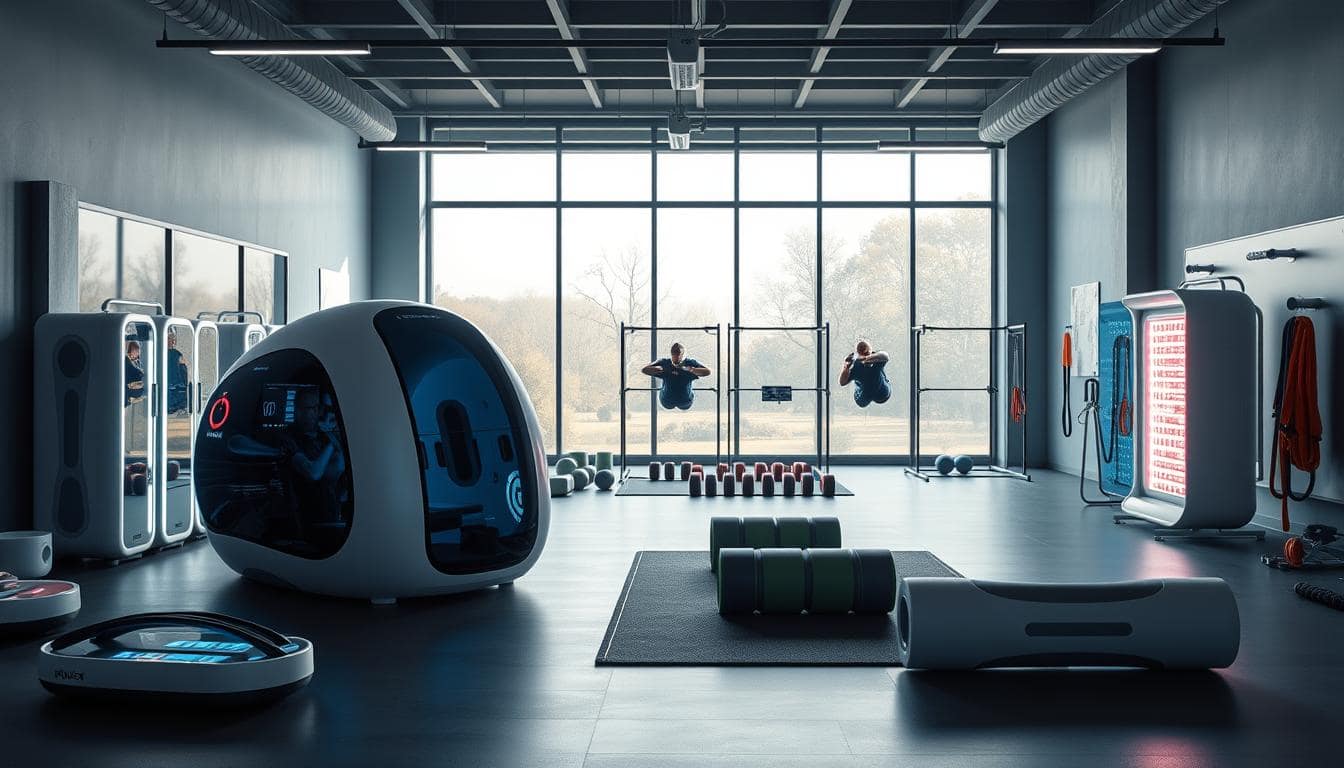
Remember when “rest and ice” was the peak of athletic wisdom? How quaint. We’ve officially left that era in the dust.
Today, bouncing back from a brutal workout isn’t just passive downtime. It’s an active, data-driven science project conducted on your own body. We’ve moved from treating sore muscles like a vague complaint to solving them like a complex physiological equation.
Let’s break it down. Your muscles repair in distinct phases: inflammation, proliferation, and remodeling. It’s a process more complex than the latest Netflix reboot. For elite performers, efficiently navigating this biological gauntlet is everything. Stumble, and fatigue or injury waits.
This is why the old playbook—the one that often led to frustrating, prolonged comebacks—has been burned. The game has changed.
We’re no longer medieval barber-surgeons guessing at remedies. We’re bioengineers. Every millisecond of the healing process now has a measurement, an intervention point, and a precise protocol. Welcome to the revolution.
Active Recovery Technologies
Modern athletic recovery devices are changing the game. They’re not about sitting back and waiting. Today, technology is proactive, turning downtime into a deep body overhaul. It’s not just luxury; it’s about using science to speed up your body’s repair.
Imagine your body’s circulatory and lymphatic systems on a workout plan. The aim is to clear waste, deliver nutrients, and cut inflammation faster than your body can.
The Squeeze Play: Compression Therapy Systems
Compression gear has evolved. It’s not just tight socks anymore. Modern systems use scientifically set pressure that gets tighter at your feet and looser as it goes up.
This pressure gradient helps push blood and waste back to your heart. It cuts down swelling and that post-workout soreness.
When these systems team up with wearable sensors, the magic grows. Picture a compression sleeve with a NIRS sensor. This combo doesn’t just apply pressure; it monitors muscle oxygenation in real-time. It adjusts its pressure based on your body’s needs, making recovery dynamic.
Air Force One: Pneumatic Recovery Devices
Pneumatic recovery devices are the top dogs in active recovery. They’re the pulsating sleeves and boots that look like they’re from another world. They inflate and deflate in a special sequence.
This creates a wave-like massage that moves up your limbs. It’s like a lymphatic massage, but you can use it while browsing the web. The pressure helps circulation and calms your nervous system, telling it to relax.
They get even better when linked with biomechanical data. For example, data from sensors can tell the device where to focus. If your right quad is tired, it can target that area. It’s like having top-notch rehab tech for everyday use.
Pressure Gradient: The Vascular Upgrade
Gradient pressure systems take it to the next level. Unlike standard compression, they use pressure differences to move fluids. They create zones of high and low pressure to pull fluids through specific paths.
This is like using fluid mechanics to fight lactate and inflammation. It’s like upgrading your body’s circulatory system. The goal is to get fresh, oxygen-rich blood to damaged tissues fast.
For athletes, this means turning hours of recovery into minutes of focused effort. It’s like a performance cheat code for your vascular system.
| Technology | Primary Mechanism | Key Benefit | Ideal Use Case |
|---|---|---|---|
| Compression Therapy | Static, graduated pressure | Enhances venous return, reduces swelling | Post-training maintenance, long travel |
| Pneumatic Recovery | Dynamic, sequential air pressure | Mimics lymphatic massage, reduces muscle stiffness | High-intensity training days, pre-competition priming |
| Gradient Pressure | Zoned pressure differentials | Optimizes fluid dynamics for rapid metabolite clearance | Critical recovery windows, injury rehabilitation support |
Are these devices just fancy massagers? No way. They mark a big shift from passive pampering to active, data-driven recovery. By mixing mechanical action with biological feedback, they don’t just make you feel better. They make your body work better. You’re not just recovering; you’re upgrading.
Thermal Recovery Innovations
Forget the ice bath; modern thermal recovery is less about enduring pain and more about engineering precision. We’ve moved from brutal ice tubs to systems that treat temperature like a surgical instrument. This isn’t just cooling down—it’s strategic thermal warfare on inflammation.
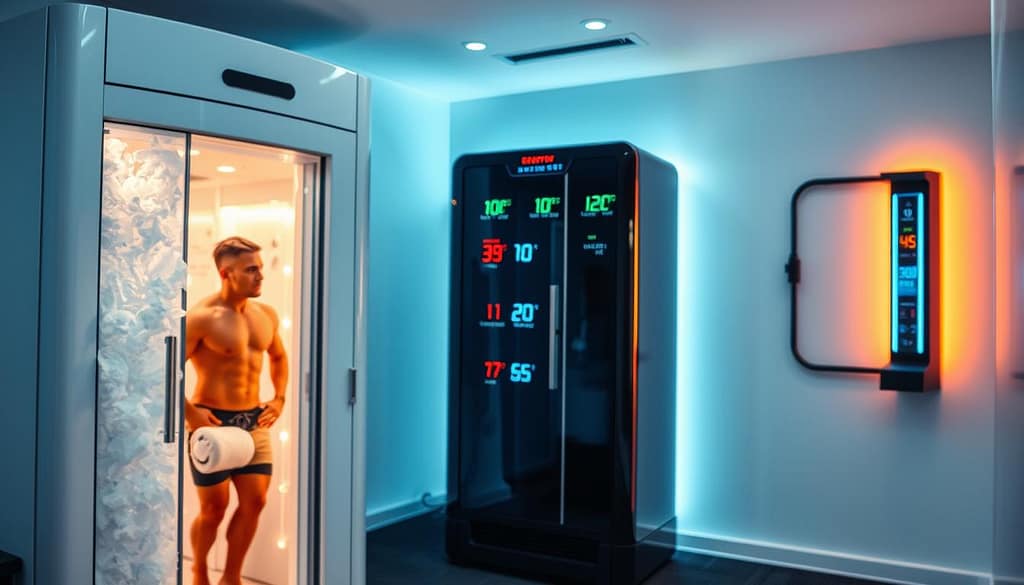
The old approach was simple: cold reduces swelling. The new paradigm? Temperature manipulation as cellular reprogramming. Today’s muscle recovery technology uses extreme cold, heat, and their calculated alternation to trigger specific biological responses.
Cryotherapy’s Scientific Chill
Whole-body cryotherapy chambers now operate at temperatures that make your freezer seem tropical. We’re talking -200°F to -300°F. But the innovation isn’t just in the cold—it’s in the control.
Modern systems precisely manage exposure time and temperature gradient. This prevents tissue damage while maximizing anti-inflammatory effects. The latest cryotherapy initiatives focus on personalized protocols based on athlete biomarkers.
Research shows timing is everything. Post-exposure inflammation reduction follows a dose-response curve. Too little exposure yields minimal benefit. Too much triggers unnecessary stress responses.
Contrast Therapy: Vascular Gymnastics
If cryotherapy is a cold plunge, contrast therapy is interval training for your blood vessels. Alternating between hot (104°F) and cold (50°F) immersion creates a vascular “pump” effect.
This isn’t just about feeling invigorated. The rapid vasodilation and vasoconstriction cycle:
- Flushes metabolic waste from muscles
- Increases oxygen delivery to tissues
- Stimulates lymphatic drainage
- Reduces perceived soreness by 40-60%
Advanced systems now automate temperature transitions. They sync with heart rate monitors to optimize the timing of each phase.
Targeted Temperature Control
The real breakthrough in muscle recovery technology is localization. Why cool your entire body when only your quadriceps need attention?
Precision applicators deliver cold or heat to specific muscle groups. These devices use conductive materials and temperature feedback loops. They maintain exact thermal conditions regardless of ambient temperature.
Photobiomodulation (red light therapy) represents another thermal innovation. It doesn’t change tissue temperature dramatically. Instead, specific light wavelengths stimulate mitochondrial activity.
Think of it as photosynthesis for human cells. The mitochondria—our cellular power plants—become more efficient at producing ATP. This accelerates repair processes while reducing oxidative stress.
The table below shows how different thermal modalities compare:
| Modality | Temperature Range | Primary Mechanism | Optimal Use Case |
|---|---|---|---|
| Whole-Body Cryotherapy | -200°F to -300°F | Systemic anti-inflammatory response | Post-competition recovery |
| Contrast Therapy | 50°F to 104°F alternation | Vascular pumping effect | Between training sessions |
| Targeted Cold Therapy | 40°F to 50°F | Localized inflammation reduction | Specific injury management |
| Photobiomodulation | No significant change | Mitochondrial stimulation | Cellular repair acceleration |
So are we just numbing pain with fancy technology? Or strategically reprogramming healing? The evidence suggests the latter when protocols are properly designed.
Traditional methods like cortisone injections offer temporary relief. They mask symptoms without addressing underlying causes. Modern thermal recovery aims for regenerative outcomes.
This muscle recovery technology doesn’t just help you feel better tomorrow. It helps you perform better next week, next month, next season. The thermal revolution has moved from brute force to biological intelligence.
Electrical Stimulation Evolution
If your muscles had a direct phone line, electrical stimulation would wake them up at 3 AM. It’s not a polite ringtone. This evolution is from blunt-force trauma to a nuanced conversation with your nervous system. We’ve moved far beyond the buzz-y, over-the-counter TENS units your grandma used for her aches.
Today’s tech is less about masking pain and more about hacking performance. It’s a core pillar of modern performance recovery systems.
From TENS to Targeted Talk
Transcutaneous Electrical Nerve Stimulation (TENS) was the gateway drug. It flooded the area with a generic current, confusing pain signals. Useful? Sure. Sophisticated? Not really. It was like using a megaphone in a library when you needed to have a private chat with a specific bookshelf.
The real game began when we stopped just shouting and started speaking the language of motor neurons. Enter Neuromuscular Electrical Stimulation (NMES).
The NMES Neural Nudge
NMES doesn’t just buzz the skin. It talks directly to the nerves that command muscle fibers. The result? You can recruit specific muscle groups on demand, even while you’re passive on the couch. It’s bioelectrical optimization in its purest form.
Athletes use it to maintain strength during injury downtime. It fights atrophy by tricking the brain into thinking a workout is happening. This isn’t recovery from work; it’s work during recovery. The neural drive is kept primed, making the return to full activity shockingly fast.
Beyond the Buzz: PEMF & Bioelectrical Optimization
But the conversation gets even more interesting. Pulsed Electromagnetic Field (PEMF) therapy is like the smooth jazz station for your cells. Instead of zapping nerves, it uses gentle electromagnetic waves to stimulate cellular repair and improve blood flow at a foundational level.
Think of it as optimizing the electrical environment your body already runs on. This is the bioelectrical part of the equation. It’s not just about activating muscle; it’s about tuning the entire system for better repair and regeneration.
Listening to the Muscle: EMG Wearables
Any good conversation requires listening. That’s where Electromyography (EMG) wearables come in. These smart sensors, referenced in advanced biomechanical assessments, don’t talk to your muscles. They listen.
They monitor muscle activation patterns and fatigue levels in real-time. This data is gold. It tells you if your left quad is slacking during a movement or if a muscle is truly recovered and ready for load. It closes the loop, turning electrical stimulation from a one-way command into a two-way dialogue.
Integrating EMG feedback with NMES or PEMF creates an intelligent, responsive performance recovery system. The tech doesn’t just deliver a preset protocol. It adapts based on what your body is saying back.
The takeaway? We’re no longer just shocking muscles into submission. We’re engaging in a sophisticated, data-informed dialogue with our own physiology. The goal is precise muscle activation, reduced neural decay, and a recovery process that feels less like passive waiting and more like active tuning. Your nervous system has the floor.
Sleep & Circadian Optimization
The most powerful performance booster isn’t in the gym. It’s in your sleep. For years, we didn’t understand sleep well. Now, athletic wellness tech is changing that. It’s not just about sleeping long. It’s about improving the quality and timing of your rest.
Decoding the Night: From Sheep-Counting to Data Mining
Tracking sleep used to be simple. Just look at the clock when you woke up. Now, tech uses sensors to track your sleep. It looks at different sleep stages and your heart rate.
Heart rate variability (HRV) is important during sleep. It shows if your body is recovering well. Good sleep quality is key for recovery. It affects how ready you are to train the next day.
Resetting the Clock: Light Therapy and Circadian Engineering
Great sleep tracking is useless if you’re fighting your body’s natural rhythm. Your body’s internal clock controls many things, like hormone release. Mess with it, and your sleep gets worse.
Smart light therapy systems help regulate your internal clock. They mimic a sunrise to wake you up and a sunset to help you sleep. This keeps your sleep-wake cycle natural. It’s not just about feeling awake. Optimized circadian biology helps with tissue repair, memory, and recovery.
This improves your brain-body connection. Quality sleep helps solidify skills learned during the day. Poor sleep messes with this process. By controlling your light environment, you improve your practice.
| Sleep Metric | What It Measures | Why It Matters for Recovery | Tech Used |
|---|---|---|---|
| Sleep Stage Analysis | Time spent in Light, Deep, and REM sleep cycles. | Deep sleep is key for physical repair; REM for brain recovery and memory. | Advanced wearables, under-mattress sensors. |
| HRV Overnight | The variation in time between heartbeats during sleep. | High overnight HRV means a relaxed nervous system and better recovery. | Optical heart rate sensors, ECG-capable devices. |
| Sleep Latency | How long it takes you to fall asleep. | Long latency can mean poor sleep or stress. | Motion detection, heart rate dip monitoring. |
| Disturbance Detection | Awakenings, restlessness, and environmental disruptions (noise, light). | Finds sleep disruptors that break up restorative sleep. | Microphone (ambient sound), accelerometer. |
The new athletic wellness tech for sleep is more than just “get eight hours.” It gives you a personalized plan. It shows how well you slept and why. With circadian tools, you can optimize your day for better sleep. In the quest for performance, improving your sleep is a smart move.
Hydration & Nutrition Monitoring
Forget the old advice of ‘drink eight glasses a day.’ Today’s athlete needs a detailed look at their body’s chemistry. We’ve moved beyond guessing games. The new frontier in recovery monitoring is a deep dive into what you eat and how it’s used.
This isn’t about drinking a lot of water or following a meal plan blindly. It’s about real-time data on electrolyte balance and hydration status. You get nutrition advice that changes every hour. It’s like having a live GPS for your metabolism.
The Sweat Sensor Revolution
Your sweat tells a story, and new sensors are the translators. Forget generic sports drinks. Electrolyte balance sensors analyze your sweat in real-time. They show you which minerals you’re losing—sodium, potassium, magnesium—the moment you start losing them.
This data is invaluable. It lets you replace what you actually need, not just what a label says. No more cramping from a sodium deficit you didn’t see coming. This level of hydration monitoring turns a biological process into a quantifiable data stream.

Beyond the Water Reminder
Hydration apps have evolved. The basic “nag notification” is outdated. Advanced platforms now sync with your sweat sensor data, heart rate variability, and even urine color analysis. They calculate not just fluid loss, but your body’s osmotic balance.
The result? A personalized hydration plan. It tells you when to drink, what to drink, and how much to optimize your body’s function and muscle repair. It’s proactive, not reactive.
The Algorithmic Kitchen
This is where it all comes together. Nutritional optimization apps are the command centers. They gather data from your sweat sensors, sleep tracker, workout load, and metabolic rate. Then, the algorithms get to work.
They don’t just suggest “eat more protein.” They prescribe:
- Precise nutrient timing: “Consume 20g of whey protein with 40g of carbs within 30 minutes of your session to maximize glycogen re-synthesis.”
- Targeted supplementation: “Your inflammation markers are elevated; increase omega-3 intake. Your muscle breakdown data suggests adding BCAAs post-weight training.”
- Dynamic adjustments: “Your recovery score is low today; shift 10% of your calories from fats to complex carbohydrates to support central nervous system repair.”
These platforms move you from a generic diet to a dynamic, living fueling strategy. A micronutrient gap isn’t a minor oversight anymore—it’s a logged system error that your personal recovery protocol can immediately correct.
This holistic approach to recovery monitoring ensures your body isn’t just recovering from the last workout. It’s perfectly fueled for the next one. The kitchen, it turns out, is the most important lab in an athlete’s world.
Recovery Data Analytics
If your recovery data were a movie, it’s playing on five screens with audio out of sync. You have heart rate variability from your wrist, sleep depth from your pillow, and muscle oxygen levels from your quad. Together, they tell if tomorrow’s workout will be a success or a setback. This is where recovery data analytics comes in, synchronizing the film.
The innovation is multi-parameter monitoring. Modern sports regeneration tools track more than one thing. They create a biometric symphony. It’s like a 24/7 wellness audit, tracking everything from nervous system tension to gait symmetry post-run.
Algorithms create clarity from this chaos: the Recovery Score. This single number, from 1-100, is key. It answers the only question that matters: “Am I ready?” The math is complex, but the output is simple. A score of 85 means go for it. A 45? Maybe today is for yoga and hydration.
The real genius is in the time-lapse. Trend analysis spots patterns invisible to us. Maybe your recovery score dips every third week. The system flags it, cross-references it with your training load, and warns of overtraining.
This leads to personalized protocols. Static recovery plans are outdated. Advanced analytics create dynamic routines. If your data shows high inflammation but good sleep, it might suggest extra cold therapy and skip sleep aids. Your recovery plan evolves, based on your body’s data.
Let’s look at the tangible impact. Data doesn’t just suggest; it proves.
| Recovery Metric | Traditional Approach (Timeline) | Data-Analytics Approach (Timeline) | Outcome Difference |
|---|---|---|---|
| Muscle Soreness (Post-Strength) | 48-72 hours to baseline | 24-36 hours to baseline | ~50% faster reduction |
| Readiness for Max Effort | Subjective “feel” (Often inaccurate) | Objective Recovery Score >80 | Injury risk decreases by up to 30% |
| Identifying Overtraining | After symptoms appear (Fatigue, injury) | 7-10 days before symptom onset via trend analysis | Allows proactive intervention |
The table shows regained time and avoided pain. This is the brain of the recovery revolution. The compression boots, cryo-chambers, and stim devices are the limbs. But data analytics is the central nervous system. It tells the limbs what to do and when.
The next generation of performance recovery systems won’t be just better tools. They’ll be smarter coaches. One that never sleeps, never guesses, and has only one goal: turning your raw biometric into peak performance. The data is the new protein powder. And the algorithm is the recipe.
Professional Integration Protocols
In the world of professional sports, the best recovery gadgets are useless if athletes don’t use them. This is the secret of the athletic wellness tech revolution. Getting athletes to use the gear every day is the real challenge.
It’s not just about buying the gear. It’s about making advanced recovery a part of their routine. This means making it as common as taping an ankle.
The Blueprint: Team Implementation Strategies
Top teams don’t just buy tech; they build systems. They use a three-phase approach, like elite performance centers. Phase one is advanced assessment, looking into biometric baselines and sleep.
Phase two is integrating the tools into daily routines. Compression sleeves, cryo chambers, and sleep trackers are part of the schedule. They’re not optional extras.
Case studies from the NBA and Premier League soccer teams show this in action. One club has NormaTec boots in a “recovery lounge” for players. Every player spends 15 minutes there after training. It’s not a suggestion; it’s mandatory.
Winning Over the Athlete: Compliance Beyond the Manual
You can’t force athletes to comply. You have to engineer it. Elite athletes are skeptical and results-driven. They don’t respond well to “it’s good for you” speeches.
Successful teams use education and personalization. They bring in scientists to explain the benefits in physiological terms. They show how recovery affects performance.
They also make the data personal. An NBA player said seeing his deep sleep score improve his shooting percentage was key. This feedback loop makes compliance a competitive advantage.
Coaching Integration: When Data Meets the Playbook
This is where recovery technology truly pays off. Smart coaches analyze recovery dashboards. They adjust practices based on readiness scores.
One Olympic swimming program took it further. They use recovery metrics in their AI-driven training algorithm. This transforms athletic wellness tech into a tactical asset.
| Organization Type | Core Implementation Strategy | Primary Compliance Driver | Coaching Integration Depth |
|---|---|---|---|
| NBA Franchise | Dedicated, scheduled “recovery blocks” within the facility; tech is non-optional. | Linking sleep/recovery data to individual on-court performance metrics. | High. Data directly influences practice planning and player load management. |
| Premier League Soccer Club | Phased rollout starting with veterans; tech access is a reward for adherence. | Peer influence and competitive comparison of recovery “scores” among players. | Medium. Data used for weekly micro-cycle planning and travel recovery. |
| Olympic Training Center | Fully immersive, tech-centric environment; recovery is treated as a distinct training modality. | National team selection stakes; recovery optimization is seen as a key selection differentiator. | Very High. Biometric feedback is integrated into real-time training algorithms and daily adjustments. |
| NCAA Division I Program | Educational focus with voluntary opt-in; emphasis on building lifelong habits. | Educational workshops and demonstrating long-term health benefits beyond college career. | Low to Medium. Data primary used for injury prevention and communicating with sports medicine staff. |
The ultimate goal is to blur the line between training and recovery. Athletes should instinctively check their readiness score. The entire team should understand biometrics.
This is the final frontier for athletic wellness tech. It’s not about having the shiniest tools. It’s about building a smart, adaptable system. Teams that master this integration aren’t just recovering faster. They’re building a sustainable competitive edge, one data point at a time.
Design Engineering Challenges
Creating the future of athletic recovery is a tough task. It involves physics, psychology, and budget limits. Every device that aims to speed up recovery faces four big challenges: being small, easy to use, durable, and affordable. Let’s explore the trade-offs that make your favorite athletic recovery devices either great or out of reach.
The Portability Paradox
It’s hard to make a cryotherapy chamber small. Athletes need devices that work anywhere. This pushes engineers to make things smaller, lighter, and use less power.
The dream is a device that’s as easy to wear as a bandage but as powerful as lab equipment. But making something small often means losing battery life or power. So, we get clever but sometimes compromised wearable technology.
The Interface Tightrope
Designing user interfaces is tricky. The screen must be simple for tired athletes to use but also offer detailed data for sports scientists. It’s a delicate balance.
If it’s too hard to use, athletes won’t bother. Too simple, and it’s just a fancy clock. The key is to make it intuitive yet powerful, like linking with hydration monitoring technology for a full recovery view. Getting this wrong can turn a high-tech tool into an expensive waste.
Built to Last (The Durability Gauntlet)
These devices aren’t for display. Athletic recovery devices face sweat, impact, and extreme temperatures. They must be tough to survive.
An electrical stimulation unit must withstand being tossed in a bag. A pneumatic compression sleeve needs to handle many cycles. Making them durable means using strong materials and testing them hard. It’s what keeps them working for a season, not just a few uses.
The Cost Conundrum
Advanced tech like biomechanical analysis is amazing but pricey. The challenge is making it affordable for everyone.
How do you bring top recovery tech to schools and serious amateurs? Engineers and product managers aim to simplify making, use cheaper materials, and offer different versions. The goal is to spread the benefits beyond pro teams. Making it affordable is the biggest engineering challenge.
In conclusion, the best recovery tech isn’t just the most advanced. It’s the one that’s portable, easy to use, durable, and affordable for the real world.
Efficacy Validation Studies
So, your favorite athlete swears by a new gadget. Does that make it science, or just a very expensive endorsement deal?
Separating revolutionary muscle recovery technology from wellness theater requires clinical trials, not celebrity testimonials. We need double-blind studies where neither the athlete nor the researcher knows who gets the real treatment. Research in the Journal of Sports Medicine and Physical Fitness showed PRP therapy could accelerate recovery by 40-60%. That’s a data point, not a podcast anecdote.
Validated performance outcome measures look beyond “feeling better.” They track concrete metrics like functional power return and pain scores. Clinical studies cited for some advanced methods show 70-85% improvements in those pain scores. That’s the hard currency of recovery.
Then there’s the mind game. Placebo considerations are huge. If you believe squeezing into pneumatic boots will help, your brain might just make it so. This is the tricky frontier where traditional methods meet high-tech promises.
The future of athletic regeneration hinges on this unassailable foundation. The real recovery revolution is built by scientists in lab coats, not just influencers on social media.