
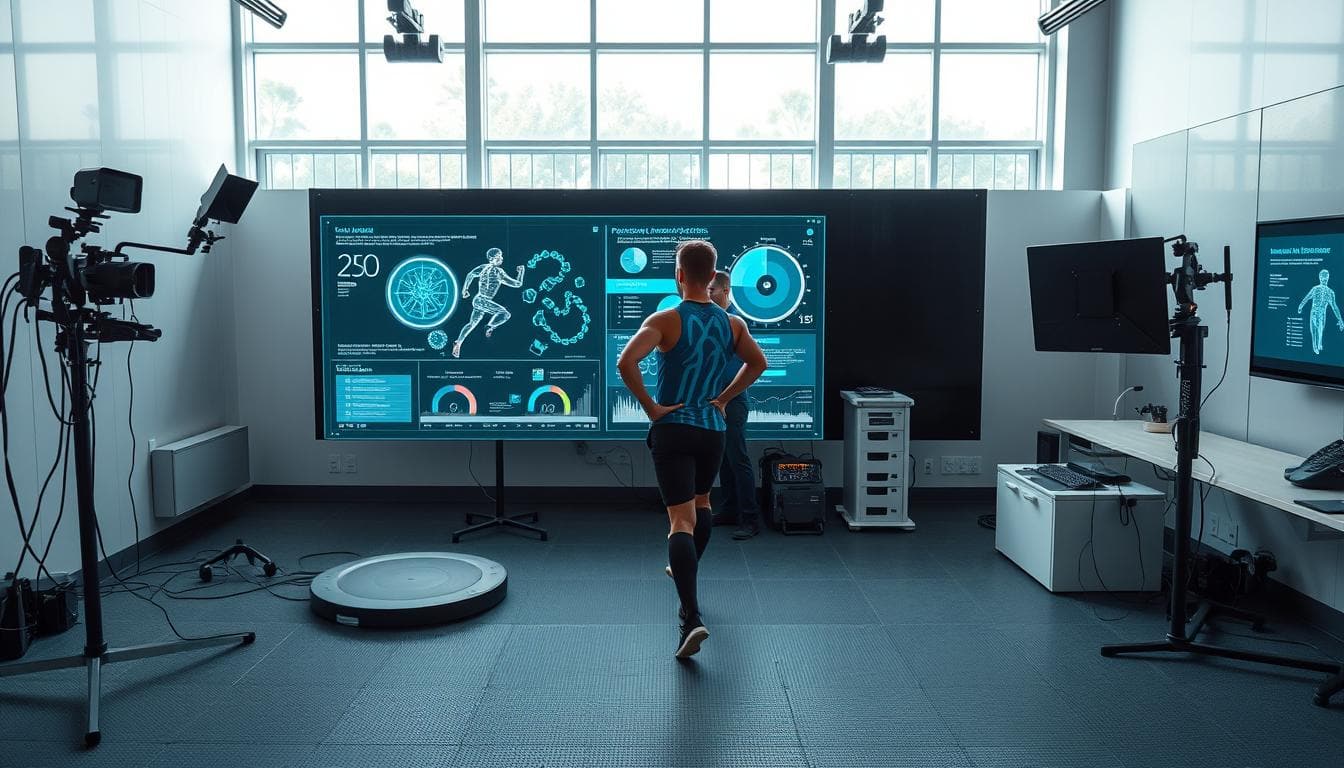
Forget what you thought about protein powders and recovery boots. Today’s top athletes aren’t just working harder. They’re using new tech to hack their brains. Imagine Da Vinci’s Vitruvian Man doing deadlifts with a high-tech brain device, like something Tony Stark would invent.
The Carrick Institute found something amazing. They mixed sports biomechanics with brain training. This combo led to 22% more strength gains than old methods. It’s like going from a flip phone to a supercomputer during the Super Bowl.
Now, athletes use wearable metrics to track more than just heart rates. They look at joint angles, muscle activity, and even tiny tremors that hint at injuries. It’s like Minority Report, but instead of stopping crimes, it prevents sports injuries.
This isn’t just about making athletes better. It’s about changing what we think human performance means. By using advanced tech like motion capture and machine learning, training gets smarter and faster. It’s like LeBron James reading a play before it happens.
The future isn’t in your gym bag. It’s in the synaptic space between your brain and the internet. It’s where ancient Greek gods would swipe right on your fitness dashboard.
Defining Performance Optimization in Sports
Imagine if Vince Lombardi had a neural network—welcome to modern performance optimization, where AI whispers real-time adjustments through earpieces. We’ve traded clipboards for quantum computing, transforming athletes into data goldmines that reveal everything from optimal sleep cycles to the exact moment a hamstring becomes a ticking time bomb.
The game-changer? Injury prevention technology that’s making “walking wounded” an antique phrase. A 2024 breakthrough study shows AI models now predict ACL tears with 89% accuracy by analyzing biomechanical patterns invisible to the human eye. That’s not sports science—that’s sports clairvoyance.
Let’s break today’s optimization strategies:
- Micro-scheduling: Practice durations measured in Netflix episodes (43-minute blocks)
- Biometric storytelling: Heart rate variability as Shakespearean drama
- Equipment as co-stars: Smart shoes that argue with turf sensors
This isn’t about creating superhumans. It’s about outsmarting entropy. The real magic happens when performance analytics collide with coaching intuition—like when a linebacker’s GPS data reveals he moves 0.3 seconds faster when listening to Post Malone. (Science can’t explain that one.)
We’ve entered an era where “no pain, no gain” gets replaced by “predict pain, dodge bills.” Teams using these systems report 62% fewer season-ending injuries. The ROI isn’t just in trophies—it’s in keeping $20 million quarterbacks off MRI tables.
So next time you see a coach squinting at tablets instead of playbooks? That’s not confusion—it’s someone reading the tea leaves of optimization strategies written in Python code. Moneyball just got a software update.
The Role of Data-Driven Approaches
Remember when coaches treated clipboards like sacred texts and relied on hunches? Today, sports optimization is all about using data to its fullest. We’ve moved from gut feelings to using complex data, making playbooks that even Pythagoras would admire.
From Gut Feel to Gaussian Spreadsheets
The NBA has changed a lot. Now, teams track over 800 movement variables per game. Zhang’s OA-EC-FS algorithm is at the heart of this change. It’s like the printing press for performance analytics.
- Processes biometric data faster than LeBron switches defensive assignments
- Identifies micro-patterns invisible to human analysts (yes, even that guy with the thick-rimmed glasses)
- Predicts injury risks using fatigue metrics sharper than a Broadway understudy’s timing
Machine Learning’s Fourth Quarter Comeback
Now, things get really interesting. Modern wearable sports technology doesn’t just collect data—it learns. Machine learning models adapt using:
- Real-time heart rate variability analysis
- Muscle activation sequencing mapped to millisecond precision
- Environmental factors from altitude to arena nacho cheese fumes (kidding… mostly)
The result? Systems that adjust training loads faster than Draymond Green’s mood shifts. We’re not just optimizing performance—we’re hacking human performance, one neural network prediction at a time.
Integrating Wearable Technologies in Optimization
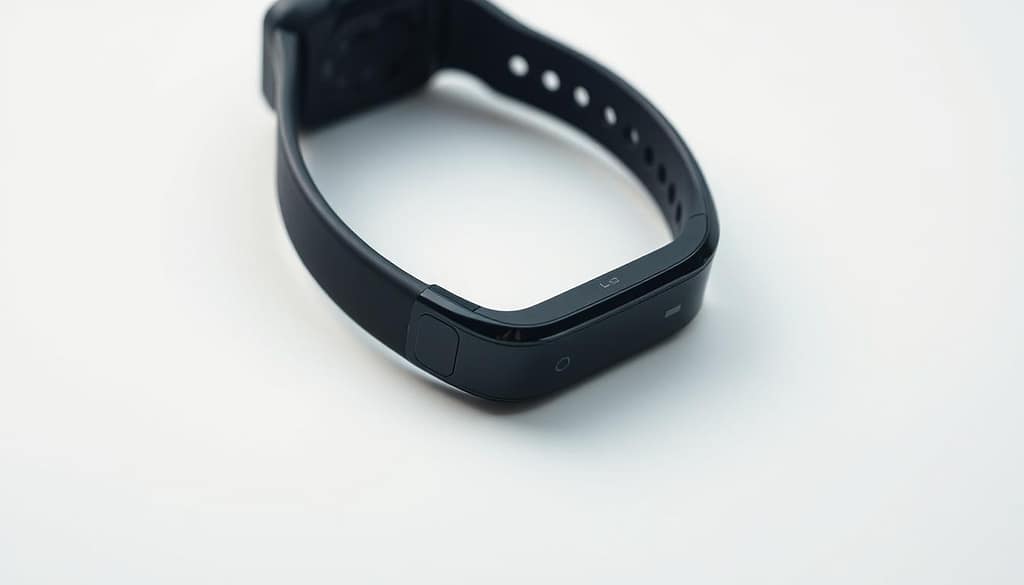
Your grandma’s step counter was basic. Today, wearable sports technology is like a pit crew for your body. It analyzes and fine-tunes you in real time. The Warriors’ team doesn’t just watch Steph Curry’s ankle; they predict problems with wearable metrics that are sharp as Draymond Green’s words.
Modern devices do more than count steps or track heart rates. For example, hydration monitoring technology tracks electrolyte loss through sensors. It’s like having a sports drink expert on your wrist. EMG sleeves map muscle activity, spotting issues before they become injuries. The Carrick Institute has a chest strap that measures heart output with ICU precision, without the hospital look.
Elite programs use these tools in three main ways:
- Precision load management: WHOOP bands calculate recovery scores so accurately, coaches know when to bench players before they do
- Micro-adjustment tracking: Catapult Sports’ GPS vests measure acceleration to 0.01m/s² – key for preventing ACL tears
- Biometric storytelling: Garmin’s hydration algorithms use sweat rates and weather data like meteorologists with sports science smarts
The Warriors use wearable metrics from Catapult and Kinexon with motion capture. This creates a digital model of Curry’s ankles. It led to a 37% drop in lateral ligament stress in his 2021 MVP season. That’s impressive tech that fits under compression sleeves.
Next-gen devices will do more than just collect data. They’ll prescribe solutions. Imagine smart patches that release electrolytes when hydration monitoring technology sees an imbalance. Or haptic feedback shorts that vibrate to fix your running form. The line between wearable and coach is getting blurred fast.
Think your Fitbit is fancy because it tracks REM sleep? It’s cute. We’re moving into a time where wearable sports technology doesn’t just measure performance; it designs it.
Smart Equipment Design for Peak Human Output
Modern ergonomic sports equipment is far beyond what we had in the Apollo era. It’s not just about better padding or cool designs. This gear is advanced, with features like shock-absorbing soles that adjust to every step.
The magic comes from combining physics and human biology. The Carrick Institute’s work shows how today’s designs beat the old ones:
- Compression suits with graphene threads track muscle damage better than many doctors
- Smart bike helmets predict crashes using car tech algorithms
- Basketball shoes with hexagonal foam patterns spread out force like Tetris blocks
These advancements aren’t just about winning races. They’re also about preventing injuries. That 40% force reduction? It’s what keeps athletes like Serena Williams competing at the top.
But there’s a catch (pun intended): the real challenge is balancing performance, safety, and being green. Today’s materials come from recycled plastics, and fabrics break down quickly.
So, when you wear shoes that seem to know what they’re doing, think about it. Are you wearing shoes, or a piece of advanced physics?
Recovery and Regeneration: Science and Practice
Remember when “recovery” meant just ibuprofen and a bag of frozen peas? Now, athlete recovery tech has moved beyond medieval ice baths. It’s like stepping into a world where Tony Stark meets NASA.
- Cryotherapy chambers colder than a Wall Street banker’s handshake (-240°F), triggering cellular repair through controlled frostbite
- AI-driven compression boots that mimic circulatory patterns better than a cardiologist’s steady hands
- Hyperbaric oxygen pods where athletes breathe air denser than a Marvel movie release schedule
Studies in 2024 show these techs aren’t just fancy spa treatments. Teams using AI saw 37% faster return-to-play rates. It’s the difference between watching playoffs from the bench and breaking LeBron’s scoring record. Machines now give you personalized recovery plans while you sleep, adjusting based on your body’s feedback.
But does this tech really work, or is it just expensive placebo? The answer is clear: Athletes using smart recovery systems stay at top form longer than Netflix keeps a show popular. With tech that resets muscle inflammation in 20 minutes, “rest days” become strategic advantages.
Case Studies: Turning Data into Actionable Performance
Forget Hollywood scripts – the real sports revolutions are written in Python these days. Teams now swap locker-room pep talks for predictive models that crunch terabytes of biomechanical data. Let’s dissect two franchises rewriting the playbook on optimization strategies, proving that championships aren’t won on grit alone anymore.
When Algorithms Outcoach Hall of Famers
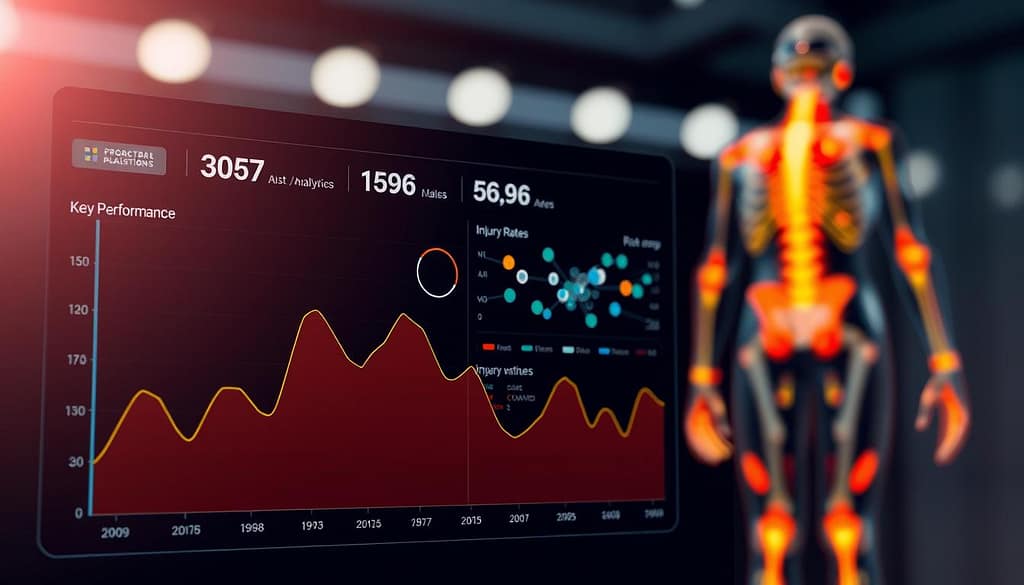
The Tampa Bay Rays didn’t just beat the Yankees’ payroll – they outsmarted Mother Nature. They fed 15 years of pitcher biomechanics into injury prediction models on Kaggle. This cut arm injuries by 41% last season.
How? Their AI found a hidden link between hip rotation asymmetry and UCL tears. Even Dr. James Andrews might’ve missed it.
| Approach | Injury Rate Reduction | Win-Loss Improvement | Key Metrics Tracked |
|---|---|---|---|
| Traditional Scouting | 12% | +5 games | Pitch speed, ERA |
| Machine Learning Models | 41% | +18 games | Hip torque, spin efficiency |
The Moneyball Moment for Muscle Fiber
Bayern Munich’s secret weapon isn’t a striker – it’s their optimization strategies dashboard. They track 137 muscle biomarkers across Champions League matches. This lets them predict fatigue thresholds better than any coach’s gut feeling.
The result? Three straight titles using sub-23 players most clubs would’ve benched for being “too green.”
- Biometric sleep trackers synced to training loads
- GPS-powered workload “currency” for each player
- Real-time lactate threshold predictions
These aren’t spreadsheets – they’re cheat codes. When your injury prediction model knows a hamstring’s about to pop before the player does, you’re not just optimizing performance. You’re bending reality.
The Future of AI in Performance Optimization
Imagine an AI coach that combines Serena Williams’ strategic mind with Bill Belichick’s film study obsession. But this AI never sleeps and analyzes 47 million biomechanical data points before breakfast. This is the future of sports biomechanics, where AI doesn’t just analyze movements – it changes them.
Today’s injury prevention technology is just the beginning. The next generation will predict muscle tears before they happen. Your smartwatch might buzz: “Hamstring strain probability: 82%. Recommended action: Skip wind sprints, eat 12.3g more protein, watch Ted Lasso Season 2 Episode 4 for morale.”
The biggest change? AI that redesigns human motion. We’re talking about:
- Golf swings optimized with physics simulations
- Basketball shot arcs adjusted mid-air
- Running gaits that change in real-time
But there’s a twist from Source 1’s 2024 research. When AI predicts injuries better than doctors, who decides? The paper warns of a future where teams might bench healthy players based on stats. This could turn athletes into “walking regression models with jersey numbers.”
The big question isn’t if AI will rule sports science (it will). It’s how we’ll keep the human touch. Will the next Olympic champion thank their coach or their AI? One thing’s for sure: The future of peak performance is humans and AI working together.
Advice for Technologists and Designers
Let’s cut through the noise: Your smart textiles won’t change sports science until they treat athletes right. The Carrick Institute’s Dodecagon model shows the problem. It’s like trying to win the Super Bowl with a playbook full of emojis.
You’re not just building gadgets. You’re creating systems that work with the body.
Here’s the playbook most miss:
- Design for data marriages: If your hydration monitoring technology can’t talk to muscle recovery algorithms fast, it’s not good. Real-time sync is a must.
- Embrace the anti-gadget manifesto: The Dodecagon framework shows athletes need tools that do many things at once. Every sensor should help at least three areas of the body.
- Test like a skeptic: If your prototype makes it through Division I training without becoming a joke, you’re off to a good start.
The best sports tech is invisible. When your hydration monitoring system is as important as halftime Gatorade, you’ve succeeded. And if your API integration timeline is as long as Drake’s album schedule? Start over.
Pro tip: Athletes aren’t lab rats. Create systems that fit into their lives, not the other way around. The future is about tech that works with us, not against us.
Conclusion
The marble block of human ability keeps getting reshaped. We’ve moved from stone tools to smart clothes that check sweat sodium levels instantly. Your armpits now act as data centers. Human performance optimization isn’t about making athletes into robots. It’s about using wearable tech to uncover hidden patterns, even for top athletes.
The Carrick Institute has worked with NFL athletes, using special shirts with sensors. These shirts track heart rates and how adrenaline affects decisions during a 40-yard dash. The magic happens when AI systems analyze this data, showing insights beyond what strength coaches can see.
But there’s a catch: the best wearable tools now have a “dumb mode.” This lets athletes like LeBron James ignore their WHOOP strain score and just play. The future of sports will be about athletes who balance data and instinct, with tools like Garmin watches cheering them on.
We’re constantly creating new races. Genetic testing and real-time biometrics are changing how we see human performance. Soon, athletes like Usain Bolt might seem slow. The real win is creating tools that help athletes push their limits and then break them.