
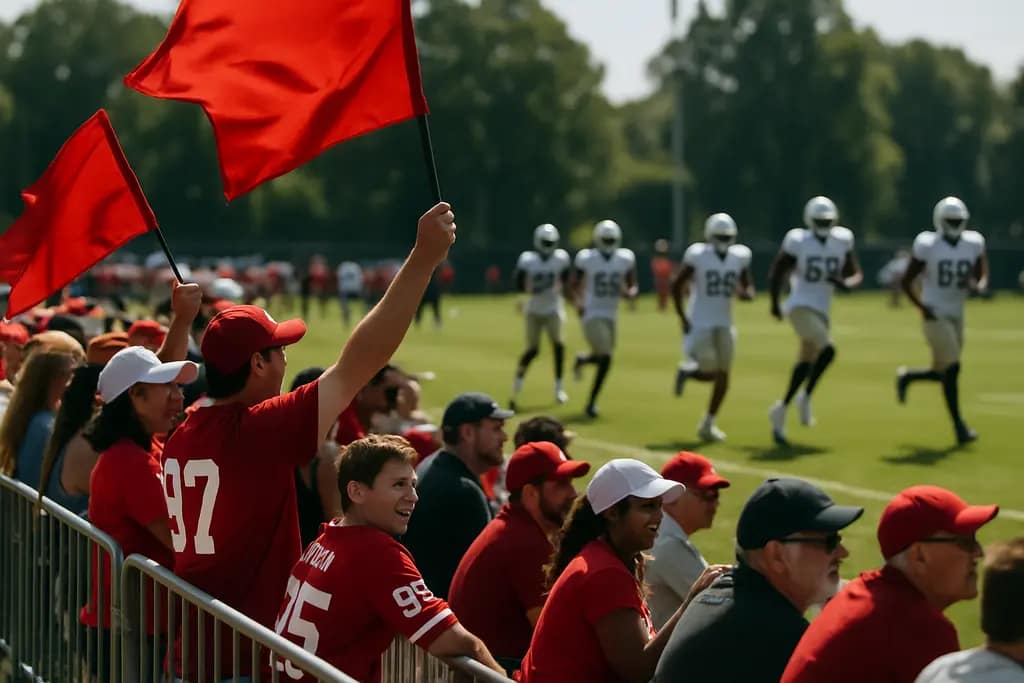
Open training camps became one of the NFL’s clearest fan-engagement tests before the 2026 regular season: free admission in many markets, themed practice days, community events, controlled ticketing, shuttle systems, and family-focused access. The access story is attractive, but the sustainability story is less settled. If teams bring thousands of fans to practice facilities, the design of parking, transit, heat protection, food service, and waste handling matters almost as much as the autograph line.
As of August 20, 2026, several camp windows had already passed, while a few late-August events remained scheduled. That timing matters. The league-wide “Back Together Weekend” took place on August 1 and August 2, 2026, with all 32 clubs tied into the opening fan push through club-led events, open practices, live coverage, interviews, and fanfests, according to NFL.com. The format gave the league a shared fan calendar before preseason results became the main conversation.
What Open Training Camps Changed In 2026
Open Training Camps As Scheduled Access
The most obvious shift was that access became more structured. Teams did not simply unlock a gate and hope the crowd sorted itself out. Many clubs used free ticketing, capacity limits, member priority windows, themed programming, and age-specific autograph policies. That makes open training camps closer to managed sports events than casual practices.
The free-access model still varied sharply by club. Research compiled by PlayoffHotels listed examples including 14 free open practices for the Broncos, 10 for the Jaguars, eight each for the Texans and Titans, and 12 for the Packers, with many teams allowing fans to claim up to four free tickets per session via its access map. Those caps are not only crowd-control tools. They also create a cleaner data trail for planning security staffing, concessions, shuttle demand, and shade or cooling needs.
From a performance perspective, controlled crowds can also protect the football work. Coaches need practice tempo, installation periods, and player development time without a full stadium environment every day. The 2026 camp model suggested a compromise: open enough sessions to feed fan demand, but use ticketing and designated practice windows to keep football operations functional.
Themed Days And Community Signals
Themed sessions were another important change. Cleveland’s July 31 to August 12 camp window included fan activations such as Puppy Pound pet adoptions, a 40-yard dash, daily prize activations, Superhero Day, and Youth Football Day. Detroit’s schedule included five general-public practices on August 3, 4, 6, 10, and 19, plus four exclusive sessions for Lions Loyal Members. Its August 4 date also included Pet Adoption Day.
These details matter because fan engagement is no longer measured only by attendance. Teams are using camp to segment audiences: families, children, season-ticket members, community groups, military audiences, women’s football audiences, and youth football participants. Tampa Bay’s camp, which began July 30, included a Fan Activation Zone with food trucks, a kids zone, mascot and cheerleader appearances, and theme days such as Military Day and “She Is Football” day.
The caution is that activation-heavy events can raise the resource footprint of a practice. More tents, generators, single-use packaging, giveaways, signage, and vehicle trips can offset some of the civic value if they are not measured. A pet adoption tent or youth football clinic may be socially useful. It still needs a practical plan for waste, water, transport, and heat.
Fan Experience Innovations With A Sustainability Lens
Transport, Heat, And Capacity Controls
The most useful innovations may be the least flashy. Baltimore’s 2026 camp plan included 12 free open practices at Owings Mills, roughly 2,000 fans per day, ticket limits of up to four per practice, off-site parking, and motorcoach shuttles to the facility. Tennessee also used off-site parking and shuttles in its fan access planning. These systems can reduce congestion at smaller training facilities, though the environmental value depends on shuttle occupancy, trip distance, idling practices, and whether fans choose shared transport instead of separate car trips.
Heat and comfort also sat closer to the center of camp planning. Research notes point to additional amenities such as cooling fans in hot-climate settings, including Miami. Player-side heat safety also received attention, with cold water immersion tubs by NFL practice fields. For fans, shaded seating, hydration access, and clear bag policies are part of the same risk-management picture. They may not sound like innovation, but in August football settings, comfort systems influence who can attend safely and how long families can remain on site.
This is where sustainability and performance overlap. Heat stress can affect players, staff, and spectators. A camp that reduces exposure risk through shade, water, cooling, and more predictable entry flows is not just greener in theory. It is better designed for the physical conditions of football preparation.
Premium Access And Equity Questions
Not every innovation points in the same direction. Dallas scheduled August 25 and August 26 sessions in Frisco with a post-practice tailgate and drone show at SeatGeek Championship Plaza outside the Ford Center. The club also offered exclusive fan experience tickets such as sideline access and hospitality decks. Those features may deepen fan connection and generate business value, but they raise two questions: who gets the best access, and what is the added event footprint?
Drone shows can avoid some materials associated with fireworks, but this research does not provide energy-use data, equipment sourcing, or emissions accounting. Hospitality decks can create memorable experiences, but they may also increase catering, cooling, and waste demands. A cautious read is best: these are engagement innovations, not proven sustainability gains unless clubs report operational data.
For readers tracking how free access, travel planning, and waste measurement intersect, our related analysis of NFL fan access plans takes a closer look at why crowd counts alone are not enough.
What Fans Actually Received

Children, Autographs, And Lower-Cost Entry
For many households, the value proposition was clear: free or limited-cost access to NFL players and facilities at a time when regular-season tickets can be expensive. Baltimore included post-practice autograph sessions for children ages 6 to 12. Jacksonville offered photo opportunities and autograph signings. Several clubs gave season-ticket members or designated fan groups early access to tickets, while Tennessee paired some events with nonprofit, veteran, and youth group access.
That structure gave open training camps a community function. A child may remember an autograph session more than a preseason snap count. A youth football player may connect a camp drill with their own practice field. Those moments are difficult to quantify, but they are part of why clubs keep investing in training-camp access.
The risk is that scarcity can still frustrate fans. Free tickets with caps are fairer than uncontrolled entry, but they can disappear quickly. Priority windows for season-ticket members reward core supporters, yet they may limit access for casual fans. Clubs will need to balance loyalty benefits with genuine public availability if training camp is meant to be a broad community event.
Cross-Sport Lessons
Football is not the only sport using practice access to build loyalty. Baseball has long treated spring training as a place where proximity, routine, and slower-paced interaction shape fan identity. Readers who want cross-sport context can find more baseball-focused coverage at BooksonBaseball. The comparison is useful because training access works best when it feels personal without disrupting preparation.
For the NFL, the difference is scale and intensity. A football practice has security limits, injury-risk concerns, heat exposure, and tactical privacy issues that do not match every other sport. That is why scheduled access, capped tickets, and defined autograph windows are practical, not just promotional.
Open Training Camps And Sustainable Fan Access
The 2026 model showed that open training camps can do more than create preseason excitement. They can test how teams manage low-cost entry, community programming, transport systems, heat planning, and controlled access at facilities that were not always built for large public crowds.
The strongest sustainability signals came from systems rather than slogans: off-site parking with shuttles, ticket caps that make attendance more predictable, cooling and comfort measures, and community uses such as pet adoption or youth access. The weaker area is measurement. The available research does not confirm waste diversion rates, shuttle emissions, water use, or energy demand for activation zones. Without those figures, claims about environmental improvement should remain cautious.
Still, the direction is worth watching. If teams treat camp as a laboratory for fan movement, low-cost access, and heat-aware event design, the lessons could apply to preseason games, draft events, and regular-season fan festivals. The best version of open training camps is not just a closer view of practice. It is a better-planned sports event with clearer benefits for fans, players, staff, and the communities around NFL facilities.